
Refine by
Irrigation Nutrient Articles & Analysis
44 articles found
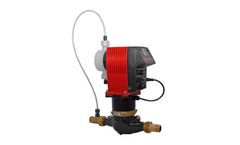
Agritechnica 2025 trade fair: Lutz-Jesco presents water technology for sustainable and efficient greenhouses of the future Nutrient deficiencies, over-fertilisation and crop losses: many greenhouses struggle due to inaccurate nutrient supply and fluctuating water quality. ...

They are also used in hydroponics and agriculture to monitor nutrient levels in irrigation solutions.Overall, the Conductivity Probe is a valuable tool for quickly and accurately measuring the conductivity of solutions, contributing to a variety of scientific, industrial and environmental applications.Types of Conductivity Probes There are several types of ...
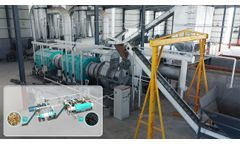
This is particularly beneficial in regions with variable rainfall or during dry periods, reducing the need for frequent irrigation. Nutrient Retention: Biochar can adsorb and retain essential nutrients such as nitrogen, phosphorus, and potassium. This nutrient retention minimizes leaching and ensures that plants have access to ...

Water Conservation: Monitoring soil moisture levels with sensors allows farmers to apply water precisely where and when it is needed, reducing water waste and energy consumption associated with irrigation. Nutrient Management: Accurate measurements of nutrient levels in the soil help farmers apply fertilizers more efficiently, minimizing ...
ByJXCT
Importance of Soil Health Monitoring: Soil health is a complex and dynamic system influenced by various factors such as nutrient levels, pH balance, organic matter content, and microbial activity. ...
ByJXCT
Understanding Smart Irrigation: Smart irrigation refers to the application of advanced technologies, sensors, and data analytics to optimize irrigation practices. ...
ByJXCT
Lower Water Bills: By reusing greywater for tasks like irrigation and flushing toilets, households can significantly reduce their water bills, making it a cost-effective approach to water management. ...

Electrochemical sensors whisper the secret of nutrient concentration, while thermal sensors sing about temperature changes. ...
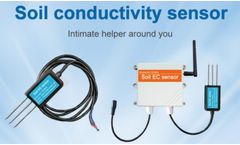
Soil EC sensors have emerged as a valuable tool in precision agriculture, helping farmers make informed decisions regarding nutrient management and irrigation practices. In this article, we will explore the benefits and applications of soil EC sensors in optimizing crop yield, and how they contribute to sustainable and efficient farming practices. ...
By monitoring parameters such as salinity and nutrient concentrations, water quality sensors enable efficient water use, minimize environmental impacts, and enhance crop productivity. 2.4 Sustainable Development Harnessing water quality sensors contributes to sustainable development by ensuring the long-term availability of clean water resources and protecting ecosystems. ...
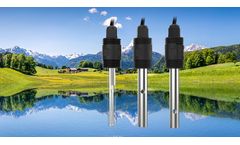
The Role of Water Quality Sensors in Agricultural Water Management Water quality sensors provide real-time data on water quality parameters such as pH, conductivity, dissolved oxygen, temperature, and nutrient content. By monitoring these parameters, farmers can detect potential issues early and optimize their irrigation practices. ...
Leveraging Water Quality Sensors for Optimal Irrigation Practices 3 Understanding Water Quality Parameters: Water quality plays a significant role in irrigation practices. ...
Applications of Soil EC Sensors Soil EC sensors have many applications in agriculture, including nutrient management, irrigation management, and soil mapping. Nutrient Management Soil EC sensors are widely used in nutrient management programs to determine the optimal application rates of fertilizers. ...
This tension affects the ability of plants to absorb water and nutrients from the soil. Soil tension meters are important tools for irrigation management and soil research.The basic principle behind soil tension meters is the measurement of the pressure required to remove water from a small ceramic cup buried in the soil. ...

The same variable rate concept has since been adapted to fertilization and irrigation. Additional field management data is collected using other technologies like satellite imagery or images collected from drones or planes. ...
ByAGRIVI

This process is supported by the addition of O2, H2O and nutrients to a bed through which the biogas circulates. The bacterial culture responsible for eliminating most of the hydrogen sulfide (H2S) contained therein develops in this bed. In this process, a nutritive solution is injected, which is recirculated in the packaging for its irrigation and the supply ...
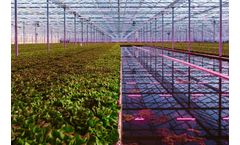
There are a lot of claims out there about LED and HID lighting, and as manufacturers of both, we always try to show the complete picture. In this article, we try and debunk some common statements made about both LED and HID lighting to help you make better decisions when it comes to grow light ...

The yellow, grey and black waste water is purified for reuse as irrigation water while the nutrients are collected and used for compost. ...

At present, forty-three percent of groundwater is used for irrigation. Hence, scientists are looking at ways in which irrigation can also be optimized in greenhouses, golf courses, and passive cooling systems. ...

All drivers for healthy plant growth, such as optimal LED spectrum and intensity, nutrient mix, irrigation strategy, climate settings are tested and validated daily in its Indoor Farming Research Lab in Beveren-Leie (Belgium). ...