
Refine by
Lactic Acid Articles & Analysis
100 articles found

This process is central to the production of lactic acid, ethanol, and other organic acids, making it crucial for fermented foods such as yogurt, cheese, kimchi, sauerkraut, and alcoholic beverages. Key aspects of anaerobic fermentation in food research include: l Metabolic Pathways: Microorganisms such as Lactobacillus and Saccharomyces ...

By applying refined scientific methods with many years of careful bio-prospecting, Ecological Laboratories, Inc. continues to provide unique, non-engineered Bacillus cultures. Our direct-fed microbial strains all have important attributes that enhance the feed conversion rate and promote animal health. All strains used by Ecological Laboratories, Inc (ELI), in direct-fed microbial (DFM) blends ...

Improved anaerobic conditions promote consistent lactic acid production, stabilizing the pH and protecting feed value throughout long winters. ...

For example, immunomodulation studies are significantly influenced by strain-specific surface layer proteins (Slps), which vary in amino acid composition and glycosylation patterns even among closely related L. acidophilus isolates. ...
The classification of probiotics by genotyping now extends beyond 16S rRNA analysis to include: Pan-genome analysis: Identification of core, accessory, and unique gene sets within probiotic species, revealing strain-specific capabilities often linked to horizontal gene transfer events Comparative genomics: Assessment of synteny and genome architecture, including CRISPR-Cas systems, prophages, and ...

On this basis, phosphors are used as the main light-emitting body in OLED sensors, which can detect oxygen and hydrazine, so that it can distinguish lactic acid, ethanol and glucose waiting to be measured. Reference Hsin-Hung Kuo, Ling-Yang Hsu, Jen-Yung Tso, Wen-Yi Hung, Shih-Hung Liu, Pi-Tai Chou, Ken-Tsung Wong, Ze-Lin Zhu, Chun-Sing Lee, Alex ...
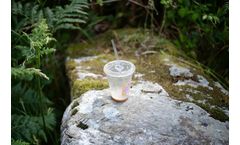
These items were certified as compostable (UNI EN 13432:2002), widely commercially available and made from a PLA-based bioplastic. PLA (polylactic acid) is a biopolymer produced from lactic acid and utilised in making bioplastics. ...

Spray drying can encapsulate antibiotics (like gentamicin) into small, specialized microparticles, often made from biodegradable materials like Poly(lactic-co-glycolic acid) PLGA, which are specifically designed to be taken up by immune cells (such as macrophages) where intracellular bacteria typically reside. ...
ByBUCHI

A correctly managed silage bag also produces higher levels of lactic acid, which enhances digestibility and translates to better nutrient absorption. Lactic acid plays a key role in improving feed efficiency, and studies suggest that it is almost directly absorbed into the cow’s bloodstream along with essential nutrients. ...

The continuous advancement of biomaterials has led to the development of various copolymers, among which Poly(lactic-co-glycolic acid) (PLGA) and Polyethylene Glycol (PEG) copolymers have garnered significant attention. ...
Its enzymatic activity relies on hydrolyzing the β-1,4 glycosidic bonds between N-acetylmuramic acid (NAM) and N-acetylglucosamine (NAG), which are key components in the peptidoglycan structure of bacterial cell walls. ...
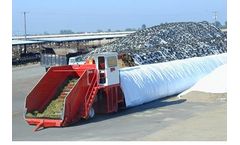
So what’s to know about the differences of silage storage in bags as opposed to piles, bunkers, trenches or dry hay? Plenty! Bagging Silage has been proven to be more cost-effective as well as providing better herd health. Milk production is increased with Dairy Cows and increased weight gain with Beef Cattle. ...

Fermentation is a metabolic process in which microorganisms convert sugars into alcohol, acids, or gases without oxygen. Its most notable applications are in the food and beverage industry, including alcohol production, food preservation, and dairy manufacturing. However, it’s also essential in biofuel generation and industrial chemical manufacturing – typically via microbial ...

Future research will continue to reveal new roles of lactylation modification, providing new strategies for treating lactylation-related diseases.Qualitative Lactic Acid Modified Protein ...
They play a pivotal role in carbohydrate fermentation, producing lactic acid, which helps maintain an acidic environment detrimental to pathogenic bacteria. ...
On the other hand, A. ochracious produces aflatoxins, ochratoxins, penicillic acid, cycalonic acid, viomllin….. etc., and A. flavus produces, aflatrime, aflatoxins, aspergillic acid, aspertoxin, cyclopiazonic acid, kojic acid, penetrimes, rubratoxins, sterigmatocystin, tremorgns etc. ...

Understanding the roles and regulatory mechanisms of lysine lactylation in physiological and pathological processes highly dependent on glycolysis and lactic acid is crucial.Services at Mtoz Biolabs1. Mass Spectrometry (MS)MS technology is one of the main methods for identifying protein lactylation modification sites. ...
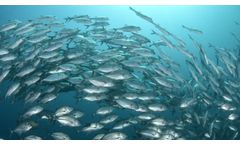
Algae growth significantly challenges water quality, leading to substantial impacts on aquatic life, particularly fish. Excessive algae can deplete oxygen in the water and release harmful toxins, which can be detrimental to fish health and survival. Ultrasound control of algal blooms has emerged as an innovative and effective water treatment method. It has not only been proven safe for aquatic ...

Poly(lactic-co-glycolic acid) (PLGA) is a functional polymer organic compound randomly polymerized by lactic acid (PLA) and glycolic acid (PGA). ...
Another biocompatible material gaining popularity in 3D printing is poly(lactic acid) (PLA). PLA is a biodegradable and renewable polymer derived from plant-based sources such as cornstarch or sugarcane. ...