
Refine by
Lake Algae Articles & Analysis
72 articles found

Recreational lake algae control has one job for most managers: keep the lake open, safe, and pleasant through the whole season. ...

For a detailed framework on diagnosing and resolving lake algae problems, guidance is provided in industry resources on algae control and nutrient management. ...
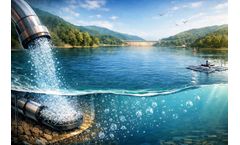
Water quality management is a significant challenge worldwide. There is oxygen depletion, algae proliferation, and decreased water quality. But modern science provides a strong solution. The nanobubble water treatment reservoir method provides a long-term water improvement solution with minimal energy consumption. Less than 200 nanometers is the diameter of nanobubbles. Their size keeps them ...
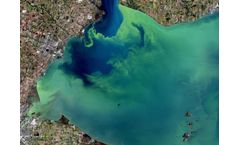
Introduction Across drinking water reservoirs and managed lakes, operators keep coming back to the same question: what is the best practice to prevent algae growth while still protecting ecosystems, budgets and public trust? Blooms can seem to appear almost overnight, turning clear water into green streaks or scums, releasing toxins, and in the worst cases ...

A healthy pond stays clear, balanced, and beautiful. Yet, algae growth can quickly disturb this balance. Thick mats of algae block sunlight and reduce oxygen—fish struggle. Plants decline. Water quality drops. Many owners turn to chemicals. However, these options often offer only short-term relief. Today, ponds need smarter and safer methods. This is where Pond algae ultrasonic treatment ...

Introduction When operators and lake managers type “what dissolves algae” into a search bar, they are really asking how to protect water quality. ...

Background Information Private community offers wide open spaces, nature preserves and wooded areas Over 120 acres of lakes and ponds “Green” living community Filamentous algae is taking over and grows in abundance in shallow water ponds Floating on the surface water, algae impedes swimming, fishing and other recreation ...
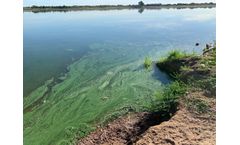
Excessive algae growth can transform a beautiful lake into an unsightly, potentially dangerous water body that threatens aquatic life and creates other problems such as fish kills and swimmers itch. ...

Blue-green algae, or tiny organisms called cyanobacteria, are a growing concern in freshwater systems worldwide. Blue-green algae naturally occur in many aquatic environments and are a normal part of the ecosystem. Cyanotoxins produced by cyanobacteria cannot be visually detected in water or tissues. In the ecosystem blue-green algae ...

Summary Low dissolved oxygen (DO) is indicated by high plant abundance, slow-moving water, and the presence of organic waste. Excess nutrients and warm, stagnant water cause harmful algal blooms (HABs), leading to oxygen depletion in lakes. Oxygen depletion can trigger mass fish deaths and disrupt aquatic ecosystems, with ecological and economic consequences. AI and real-time monitoring can ...

When it comes to controlling algae growth in lakes, reservoirs, and large water bodies, the MPC-Buoy technology is a trusted solution worldwide. But what truly sets the MPC-Buoy algae solution systems apart is its AquaWiper, a self-cleaning system designed to maintain the effectiveness of our ultrasound transmitters and water quality sensors. ...

The dangers that come with algal blooms As we move deeper into 2025, the challenges surrounding algae management in recreational lakes continue to demand innovative solutions. Algae blooms are often fueled by nutrient pollution and climate change. They threaten not just water quality but also the economic and recreational value of ...

Cyanobacteria, or blue-green algae, is the organism that primarily produces microcystin in a Harmful Algal Bloom (HABs). The reason cyanobacteria produce toxins is still being studied, but nevertheless, is a problem that requires careful consideration to manage and ...
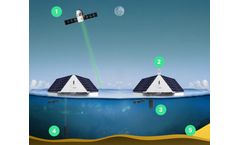
At LG Sonic, we thrive on challenges and value our audience’s insightful questions that delve beyond the obvious. During our recent webinars, we received a multitude of intriguing inquiries that showcase your deep understanding of our technology and its applications. We are excited to share some of these thought-provoking questions and provide comprehensive answers that shed light on the ...

Algal blooms paint breathtaking scenes across our waters, but these vibrant displays often mask a troubling ecological imbalance. Their severity can be so extreme that they are visible from outer space. This stunning yet toxic transformation of our water bodies, captured in high-resolution by satellite imagery, underscores the urgent need for effective management strategies. LG Sonic ...

Ultrasonic algae control: This method uses ultrasound waves to disrupt algae cells, preventing their growth and proliferation. ...
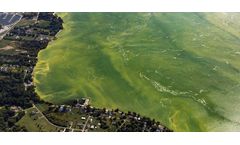
Predictions about algae blooms in Lake Erie made earlier suggested that they wouldn’t be too severe, with a potential severity range of 2.5 to 4 on a scale of 1 to 10. ...

Whether it’s an irrigation pond, a golf hazard, or a communal lake, keeping it clean is a perpetual struggle and ceaseless chore. Unfortunately, failing to actively ensure a healthy water ecosystem too often results in an algal bloom that looks disgusting, has a horrible stench, and could even be toxic, in fact, quite harmful. ...

As a Lake and Pond Manager, you know that algae makes it hard to maintain clean, safe, and attractive water bodies. Your customers see ugly, smelly slicks, service levels are challenged, and chemical remediation constantly strains your budgets. Chemicals will mitigate algae, but only for a while; algal blooms often bounce back long before it is ...

Lake Erie is hiding something beneath its green, murky surface, and it’s more complex than it seems. Recent findings from The Ohio State University throw light on this phenomenon. They reveal that during the early summer, we might be overestimating the harm of these toxins. But as we enjoy the last days of sun, these toxins might get stronger than we anticipate. ...