
Ldar Equipment Articles & Analysis
13 articles found
Technologies referenced by the IEA include LDAR systems, vapor recovery systems, flare gas recovery, and ventilation air methane (VAM) oxidation technologies. ...
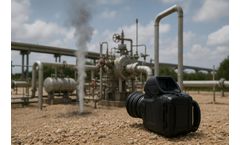
Recent updates eliminate many generic emission factors used for footprint estimation based on equipment counts.Under the Inflation Reduction Act IRA, the Methane Emissions Reduction Program MERP introduces a Waste Emissions Charge that begins at $900 per metric ton of methane in 2024 and rises to $1,500 by 2026. Quantifying leaks in real time with OGI enables prioritization of ...
ByOPGAL
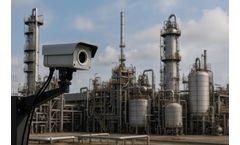
CTOs and Innovation Managers must pursue continuous, uninterrupted visibility, moving from snapshot LDAR to continuous LDAR. This article outlines the architectural shift from a single thermal camera to an integrated autonomous ecosystem powered by OGI and AI. The Operational Fragility of Snapshot LDAR Limitations of quarterly surveys affect ...
ByOPGAL

The EPA continues to accelerate its methane reduction strategy by tightening performance standards across the petroleum and natural gas sector. Two major components of this regulatory shift are OOOOb and OOOOc, each addressing different stages of industry activity. While operators are becoming familiar with the OOOOb summary that outlines requirements for new, modified, and reconstructed sources, ...
ByOPGAL
As environmental regulations become increasingly stringent, it’s crucial for industries to stay ahead of the curve by adopting innovative strategies to improve their Leak Detection and Repair (LDAR) programs. An effective LDAR program minimizes harmful emissions and demonstrates a company’s commitment to environmental responsibility and sustainability. ...

Energy executives must understand the application of LDAR in monitoring fugitive emissions to ensure a safe and sustainable refinery. In truth, there are actually multiple ways that LDAR equipment and methods help reduce gas leaks in facilities. Read on to learn the different LDAR techniques for monitoring unwanted emissions. ...

Managing a successful emissions control program at your petroleum facility is no easy task, especially with the endless list of rules and regulations specific to this industry. Read this guide on understanding LDAR requirements for refinery operations to ensure better compliance and overall business performance. ...
Many different local and state laws enforce emission regulations concerning leak-prone equipment. These laws include the New Source Performance Standards (NSPS), State Implementation Plans (SIPs), Resource Conservation and Recovery Act (RCRA), National Emissions Standards for Hazardous Air Pollutants (NESHAP), and more. Inspectors visit refineries to test their systems’ ...
Are you looking for ways to increase the success and efficiency of your emissions monitoring equipment and systems? Read on and learn the four key components of an effective LDAR program for refineries and processing facilities. ...
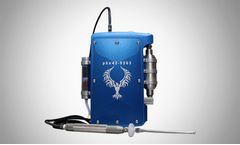
Did you know that prioritizing emissions monitoring throughout your facility can benefit your business’s success and productivity? Learn more about the importance of volatile organic compound leak detection and related LDAR ...
Emissions control is a hot topic throughout many industries. Various government and safety regulations only further the importance of emissions awareness, especially among executive professionals who may not spend significant time at their facilities. Read on to learn more about leak detection, repair technology, and everything energy executives should know about the benefits of this equipment. ...
Just like I did when hiring the cheapest electrician I could find, we often try to save a buck when we purchase LDAR software, equipment and services. The choices are limited for good LDAR software. A little less so for good equipment. But when it comes to field services the choices get varied and more complicated. ...

For example, the percent leaker calculations can be skewed if non-LDAR subject equipment (e.g., equipment in vacuum service) is included in the program. ...