
Legume Seeding Articles & Analysis
9 articles found
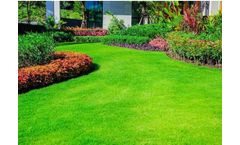
ASSESS YOUR SOIL CONDITIONSBEST GRASS SEED BY SOIL TYPE Set your grass seed up for success by matching the seed type with soil type. ...
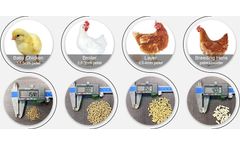
Cereals: maize, barley, oat, wheat, triticale, rye, and sorghum. 2. Seed from oleaginous crops: soy, flax, and sunflower. 3. Seed from legumes: broad beans, field bean, and protein pea. 4. ...
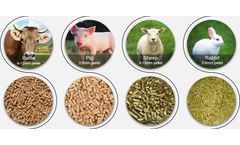
Cereals: maize, barley, oat, wheat, triticale, rye, and sorghum. 2. Seed from oleaginous crops: soy, flax, and sunflower. 3. Seed from legumes: broad beans, field bean, and protein pea. 4. ...

In organic farming, a simple cover crop of nitrogen-fixing legumes is planted and grown for around three months before the main crop goes in. Seed inoculants are simply a powdery form of Rhizobia. Seeds are dampened and then coated with this powder prior to planting. This introduces an abundant population of nitrogen-fixing Rhizobia into the ...

The majority of food consumed is from cereals and legumes. Phosphorus is essential for crop plant growth and soils are depleted as this element is removed from crop lands with harvested grains/seeds. ...
Merr., has trivial to almost nonexistent galactomannan-containing endosperm in mature dormant seeds. Current preliminary observations confirm limited endosperm for many domesticated soybean accessions, but show that many others have markedly larger endosperm, as do all wild (G. soja Sieb. & Zucc.) and semiwild (G. gracilis Skvortz.) accessions. ...
Allowing the pasture to remain ungrazed may allow weedy species to produce seeds, and could reduce legume populations. We measured the seed bank composition (n = 23) and aboveground vegetation (n = 32) in paddocks that had been fallowed from 0–6 yr previously on an organic dairy in Maryland. ...
Phytate is an important antinutritional component of legume seeds, which chelates minerals that are essential to the human diet such as iron and zinc. ...
Cropping systems in the Northern Great Plains have shifted from fallow-based to legume-based systems. The introduction of grain legumes has impacted soil organisms, including both symbiotic and nonsymbiotic N-fixing bacteria, pathogens, mycorrhizae and fauna, and the processes they perform. These changes occur through effects of legume ...