
Refine by
Lignocellulose Articles & Analysis
54 articles found

The industrial conversion of lignocellulosic biomass into high-density carbonaceous fuel demands strict optimization of thermodynamic and mechanical variables. ...
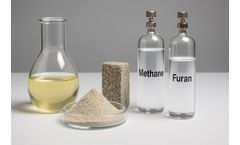
Biomass-derived furanic compounds such as furan, furfural, 2-methylfuran, and 5-hydroxymethylfurfural are platform molecules obtainable from lignocellulose and used for aromatics production via pathways including Diels–Alder condensation, decarbonylation, oligomerization, and alkylation on acidic zeolites. ...
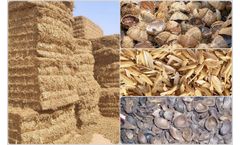
In summary, dry, clean, and small-sized lignocellulosic biomass is ideal for biochar production. When selecting a biochar feedstock, consider the following: local availability, transportation costs, pretreatment requirements, and the intended use of the final product. ...
Plant-based biomass, such as lignocellulosic material, is particularly resistant to digestion. Its complex polymer structure is difficult for microbes to break down during key stages of the ...
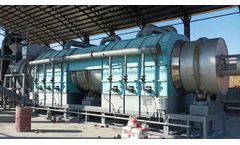
Feedstock Versatility and Waste Valorization Biochar equipment accommodates a broad range of lignocellulosic waste materials, including rice husk, coconut shells, sawdust, sugarcane bagasse, and even organic municipal waste. ...

By employing engineered cellulases and hemicellulases, lignocellulosic biomass is broken down into fermentable sugars, dramatically improving yield and reducing waste. ...
By breaking down hemicellulose in lignocellulosic biomass, xylanase facilitates the release of fermentable sugars, which can then be converted into bioethanol. ...
Biofuel Production: Enzymes are pivotal in the conversion of lignocellulosic biomass into biofuels. Cellulases and hemicellulases decompose complex carbohydrates into simpler sugars, which are subsequently fermented into ethanol. ...
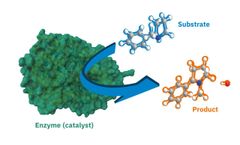
e) Biofuel Production: Enzymes play a vital role in biofuel production by breaking down biomass into fermentable sugars that can be converted into biofuels such as ethanol. Enzymatic hydrolysis of lignocellulosic materials offers a sustainable alternative to traditional fossil fuels, contributing to the shift towards renewable energy sources. ...
The palm oil industry generates significant quantities of palm kernel shells (PKS), a lignocellulosic waste product. Improper disposal of PKS can lead to environmental concerns, such as air pollution from open burning and landfilling issues. ...
By efficiently hydrolyzing cellulose and hemicellulose, Driselase can help convert lignocellulosic feedstocks, such as agricultural residues and forestry waste, into fermentable sugars. ...
In this article, we explore various methods and technologies for effectively recycling rice husk, with a focus on the innovative rice husk carbonizer.Understanding Rice Husk and Its Environmental Impact Rice husk is the outer layer of rice grains, separated during the milling process. It is a lignocellulosic biomass material composed primarily of cellulose, hemicellulose, and ...

Chemical and/or biological conversion methods are used to obtain these plastics from biological raw materials such as sugars, glycerol, and lignocellulosic biomass.Ethylene for bio-based PE, PP, and PVCTraditionally, PE, PP, and PVC are produced through free radical polymerization of ethylene, propylene, and chloroethylene, respectively. ...
Characteristics of Coconut Shell Waste Composition and Physical Properties Fibrous Structure and Nutrient Content: Coconut shells exhibit a fibrous structure, rich in lignocellulosic materials. This composition poses challenges in decomposition, requiring specialized methods for effective utilization. ...
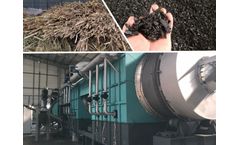
Sawdust and wood chips, often residues from the timber industry, are well-known in the carbonization game. Their lignocellulosic structure lends itself to the production of high-quality biochar and activated carbon. ...

In early 2022, researchers at Columbia University in the United States developed a lignocellulose-based fungus-bacteria biocomposite material. The composite material is plastic, foldable, and renewable, which provides a new idea for the design of biocomposites. ...
ByMatexcel

Biomass is definitely the term for trees, straw, and lignocellulose, along with other waste materials which are not burned, like the waste through the farming industry and livestock manure. ...

The primary components of biomass basic materials such as straw and also wood chips are cellulose, hemicellulose, lignocellulose as well as its resin, wax and so forth. Related post: wood pellet making machine Among the above components, lignocellulose is widely taken into consideration to be the best innate binder in living microorganisms. When the ...

They can efficiently depolymerize and utilize lignocellulosic biomass through microbial symbiotic mechanisms. Recently, a research paper published in Nat Commun entitled "Gut microbiome of the largest living rodent harbors unprecedented enzymatic systems to degrade plant polysaccharides" specifically studied the enzymatic strategies and metabolic pathways used by dolphins to ...

In the future, a BioBANG technology will support the substrate digestion of the Blum biogas plant in the Vulkaneifel New installation of BioBANG in Renè Blum’s biogas plant in the Vulkaneifel district of the Rhineland. BioBANG, installed in recirculation on the main digester, ensures greater digestion of the most difficult substrates. This not only increases the biogas production, ...