
Lime Milk Articles & Analysis
8 articles found
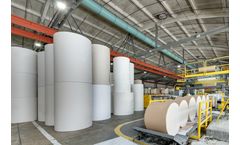
The Self-Cleaning Filter excels in filtering critical chemicals, such as Albarine, chlorine dioxide, calcium magnesium carbonate, and milk of lime, ensuring paper properties remain unaltered. Moreover, these chemicals can be reclaimed after the process. 3. ...

The frequent sensor deaths slowed down the production process efficiency due to the replacement sensor installation time. Milk of lime (Ca(OH)2) is added at various stages of the process to optimize yield and minimize energy consumption in the refining process, making pH control a critical factor to plant efficiency. ...

A white gypsum can be produced in the subsequent stage because of this filtration. 2nd stage: Gypsum recovery The wastewater is adjusted to pH 2 in the gypsum precipitation stage, using lime milk and caustic soda. The dosing of the lime milk is regulated via continuous measurement of calcium and sulphate in the wastewater. ...
After the quality of both types of wastewater has been homogenised, they are pumped to the treatment reactor, controlled by a PLC. Iron chloride, lime milk and flocculating agents are automatically dosed while the stirrers are running. ...

"I remember our previous very positive tests on precise milk of lime dosing using Watson-Marlow pumps, and, together with their technicians, we conducted several months of testing with Bredel APEX 20 hose pumps for flocculants,” says the manager. ...
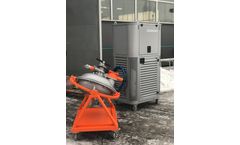
The water is treats by the chalk (lime milk) in the 40 m3 reactor-neutralizers which are equip by arm mixers. ...

To alkalize the wastewaters we used the lime milk solution. Ferromagnetic particles are made from the steel DIN (WNr), mass is 150-250 g, diameter is 2,0-2,5 mm and l/d=10. ...

Activated carbon The transfer of lime milk or activated carbon is an essential step in the treatment of wastewater and potable water. ...