
Refine by
Lims Integration Articles & Analysis
25 articles found
One powerful way to improve operational performance is by integrating barcoding technology with a Laboratory Information Management System (LIMS). This integration not only enhances data integrity but also reduces errors, accelerates workflows, and supports regulatory compliance. ...

To support their multi-site operations and deliver a first-class experience for their global client base, Broughton needed a modern, compliant LIMS designed for seamless integration and optimal performance. "LabHQ has streamlined our operations, making it easier to manage and coordinate our testing processes across multiple sites." - Chris Allen, CEO The Solution ...
ByLabHQ

The solution? Automation. By integrating a modern Laboratory Information Management Systems (LIMS) with instruments, enterprise systems, and automating calculations, labs can streamline operations and boost efficiency. ...

The Pace Analytical Laboratory – Building Sciences Division, Pittsburgh location specializes in the isolation and identification of waterborne pathogens with expertise in testing for Legionella, the bacteria responsible for Legionnaires’ Disease. Water samples are received from all over the United States and ...

Many laboratories choose, or are required to, be certified to the standards of the NELAC Institute’s (TNI) NELAP regulatory compliance. TNI standards are modeled after ISO 17025, with a deeper focus on requirements specific to environmental laboratories. Compliance with either standard gives organizations a competitive advantage by demonstrating their commitment to maintaining an accredited ...

Good Manufacturing Practices (GMP), ensure manufactured products like food, cosmetics, chemicals and pharmaceuticals are consistently produced and controlled according to set quality standards. In the U.S., the FDA enforces these regulations. GMPs are far-ranging and apply not only to testing, but to the full lifecycle of a product, from manufacturing and processing to packaging. A Laboratory ...

Today, laboratory managers find themselves at the crux of challenge and opportunity, particularly in the realm of data management. The sheer volume and complexity of data generated daily in labs call for solutions that not only streamline processes but also uphold the integrity and reliability of data. As we look towards the future, leveraging advanced technologies in lab data management is ...
This is where a Laboratory Information Management System (LIMS) becomes indispensable. A LIMS is a software-based laboratory automation system designed to streamline the management of samples and associated data, while incorporating robust data quality tools. Its role in enhancing data integrity, security, and traceability is crucial in ...

Within every laboratory setting, the choice of Laboratory Information Management Systems (LIMS) is a major decision to make, particularly if a lab seeks to modernize its operations and remain competitive. Often, the decision-making process for buyers of this technology will already be influenced in part by the outdated laboratory technology they are already using. From financial burdens to ...
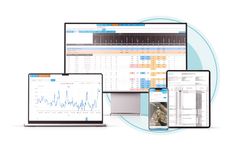
Disconnections often arise when consultants and industry clients must align their data management methods.Instead of opting for large, customized solutions, businesses should seek the right tools with the appropriate architecture that integrates seamlessly with existing systems. Like building a house, data governance necessitates careful planning, the right partnerships, and ...
Lab service provider preferences: Ask about the lab service providers’ preferred system and assess its compatibility with your existing infrastructure, especially regarding LIMS integration and data delivery. 2. Expertise of software provider: Investigate the credentials and experience of consultants in handling environmental data. ...

Scientists and laboratory professionals periodically perform searches to determine “what is the best LIMS software.” With so many changes in technology, the results can be overwhelming when you’re comparing one vendor’s LIMS software to another’s. ...

To manage and maintain these vast quantities of on-site data, laboratories must implement a Lab Information Management System (LIMS). Implementing a proven LIMS helps integrate laboratory operations within the laboratory itself, speeds up testing processes, and streamlines the data management system. ...
There are many aspects that make up a LIMS so, let’s breakdown the definition of LIMS solutions, as well as the factors that make LIMS solutions useful for businesses and labs throughout the world. ...

Post-implementation Benefits Seamless integration of laboratory instruments to the LIMS and the LIMS to the existing ERP system at GPSG Brazil ensures full regulator)' compliance; for example, with the US FDA 21 CFR Part 11 standard that covers storage and integrity of computer systems data. ...
The LIMS server is located in Chuquicamata with clients also in Santiago and Antofagasta, Chile. At the time of the deployment, Codelco decided to introduce Good Laboratory Practice (GLP) into the organization and required a LIMS that would facilitate this process. Codelco determined that it was necessary to select an information management system that would ...
As soon as the results have been issued in the lab, the LIMS notifies operators through the oil movement system, with which it is seamlessly integrated. ...
Leading water suppliers use Laboratory Information Management Systems (LIMS) to integrate the sample collection and analysis process, helping to maximize the efficiency of these programs. ...
A LIMS will automate your laboratory and integrate with applications and instruments in the lab and also with enterprise systems across your organization. ...
Additional NI Water and Industry Needs In addition to the LIMS requirements, NI Water also needed a way to automate existing manual collection of field samples that would integrate with the LIMS but not make the samplers’ jobs any more difficult or onerous. ...