
Refine by
Lims Software Articles & Analysis
63 articles found
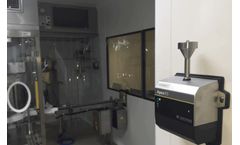
Remote particle counters are fixed units installed right inside your cleanroom at critical locations. Unlike handheld instruments that operators carry from spot to spot every so often, remote counters can work around the clock, continuously measuring airborne particles in real time. This means you get constant vigilance over the cleanroom environments with minimal human intervention and an ...
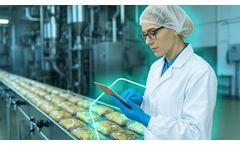
Looking for alternatives to reduce rework in quality control? Rework in quality control is a reality faced daily by many food and beverage industries. Each step redone, each analysis repeated, and each batch retained generates extra costs, wasted time, and often delays in deliveries. Digitalizing quality processes can change everything. It’s a smart, effective way to take ...
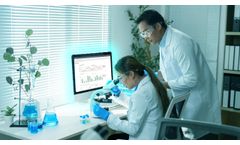
In today’s high-stakes environment, there’s no room for guesswork—laboratories need precision, speed, and control. That’s where quality indicators and visual dashboards come in. These powerful tools are game-changers for industries where accuracy is non-negotiable—whether it’s environmental testing, food safety, or industrial analysis. Integrated into a ...

Digital transformation in laboratories has brought a new challenge to quality control teams: how to organize the large volume of data generated daily? Structuring laboratory data efficiently is no longer a competitive advantage – it is a necessity to ensure agility in responses, reduce rework and make more assertive decisions. In this article, we will show the best practices for ...

For decades, Laboratory Information Management Systems (LIMS) have been the digital backbone of quality control, compliance, and traceability in industries such as Water & Environment, Food & Beverage, Chemical and Manufacturing. On-premises platforms have long been trusted for their control and ...
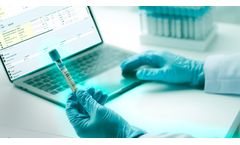
In modern laboratories, efficiency, accuracy, and traceability are non-negotiable. As labs handle increasingly complex workflows and growing sample volumes, manual data entry and paper-based tracking systems are no longer sustainable. One powerful way to improve operational performance is by integrating barcoding technology with a Laboratory Information Management System (LIMS). This integration ...

Other new features include the seamless integration of 3rd party devices such as customized robots as well as the connection to 3rd party Laboratory Information Management Systems (LIMS). Moreover, the latest version of OMNIS is a Long Term Support (LTS) version making OMNIS the preferred software solution for regulated industries such as pharma and more. ...

Laboratories today face mounting pressure: do more with less. The solution? Automation. By integrating a modern Laboratory Information Management Systems (LIMS) with instruments, enterprise systems, and automating calculations, labs can streamline operations and boost efficiency. This isn’t just about keeping up—it’s about gaining an edge. Automation modernizes workflows, ...
The LIMS has not only reduced the workload on laboratory staff but also minimized downtime, enhancing overall productivity and operational continuity. Fieldale Farms, a family-owned business founded over 50 years ago in Northeast Georgia, has grown into one of the world’s largest independent poultry producers. Despite its growth, the company remains rooted within a 60-mile radius of its ...
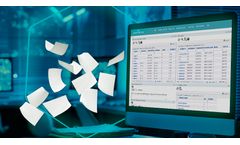
A Laboratory Information Management System (LIMS) provides a host of features that are greatly beneficial to QC labs in virtually any industry. LIMS software guarantees adherence to product specification and statistical conformance while smoothly guiding samples to and through a QC laboratory. ...

Many laboratories choose, or are required to, be certified to the standards of the NELAC Institute’s (TNI) NELAP regulatory compliance. TNI standards are modeled after ISO 17025, with a deeper focus on requirements specific to environmental laboratories. Compliance with either standard gives organizations a competitive advantage by demonstrating their commitment to maintaining an accredited ...

Good Manufacturing Practices (GMP), ensure manufactured products like food, cosmetics, chemicals and pharmaceuticals are consistently produced and controlled according to set quality standards. In the U.S., the FDA enforces these regulations. GMPs are far-ranging and apply not only to testing, but to the full lifecycle of a product, from manufacturing and processing to packaging. A Laboratory ...
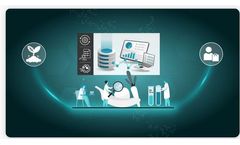
What is traceability in food safety testing? Traceability means a complete understanding of today’s complex food chain and testing at control points where contamination is likely to occur. Understanding the source of all raw ingredients, the CoA (Certificate of Analysis) report, other test results, and all associated documentation is critical. Globally sourced food faces challenges in ...
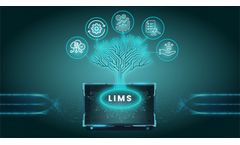
Successful businesses are always concerned with maximizing resources, improving processes, and increasing profits. For busy laboratories, automation can help. Confience has led hundreds of clients through the design and implementation of Laboratory Information Management Systems (LIMS) to positively affect their bottom lines. One of the key advantages of a LIMS is its ability to create cost ...
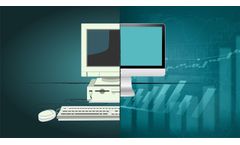
The game has changed. Laboratory Information Management Systems (LIMS) have evolved from outdated, on-premises tools to modern, cloud-based platforms that ensure accurate data management, compliance, and scalability, empowering your lab to operate more efficiently. Let's explore the key differences between modern, all-in-one LIMS platforms and legacy LIMS ...
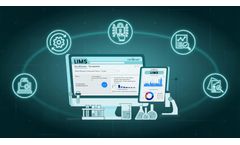
As technology evolves and the volume of data increases, laboratories must adopt more efficient data management strategies to ensure accuracy, enhance productivity, and maintain compliance with regulatory standards. Here are five essential tips to help you streamline laboratory data management in an efficient and secure manner. ...

Today, laboratory managers find themselves at the crux of challenge and opportunity, particularly in the realm of data management. The sheer volume and complexity of data generated daily in labs call for solutions that not only streamline processes but also uphold the integrity and reliability of data. As we look towards the future, leveraging advanced technologies in lab data management is ...
This is where a Laboratory Information Management System (LIMS) becomes indispensable. A LIMS is a software-based laboratory automation system designed to streamline the management of samples and associated data, while incorporating robust data quality tools. ...
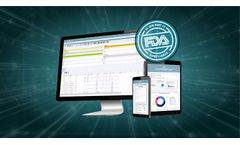
Laboratory Information Management System (LIMS) software is an essential tool for adhering to Title 21 CFR Part 11 of the Code of Federal Regulations — guidelines set by the U.S. ...
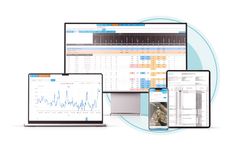
Key factors to consider when selecting data management solutions include:Lab Service Provider Preferences: Ensure compatibility with your infrastructure, focusing on LIMS integration and data delivery.Expertise of Software Providers: Prioritize consultants with practical experience in environmental data management. ...