
Refine by
Lower Explosive Limit Articles & Analysis
62 articles found

Combined processes that pair recovery technologies with destruction technologies — such as regenerative thermal oxidation (RTO) and catalytic oxidation (CO) — are also fully compliant.4.2 Safety Requirements for RTO Systems The Safety Technical Requirements for Regenerative Thermal Oxidizer Systems, a China industry association standard, sets mandatory provisions for safe RTO operation, ...

Biogas plants, as dedicated facilities for the conversion of organic waste into renewable energy, inherently involve significant safety risks associated with methane, the principal constituent of biogas. Due to the low lower explosive limit and high flammability, methane leakage and accumulation in confined or poorly ventilated environments may ...
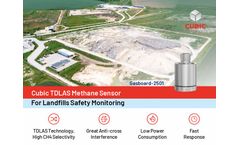
Any leaks from pipelines, pumps, or valves in these semi-enclosed spaces may cause dangerous accumulations, leading to fire or explosion. Buildings and workspaces inside the landfill site also require attention, since methane can migrate underground and infiltrate offices, warehouses, or garages, posing threats to personnel safety. ...

Additionally, NMP’s flammability and explosivity at concentrations beyond the Lower Explosive Limit (LEL) demand rigorous safety controls. ...

The HVAC industry is transitioning to lower global warming potential refrigerants under the American Innovation and Manufacturing Act of 2020, which phases down older refrigerants and sets new standards for air conditioners and heat pumps. ...

Cubic NDIR refrigerant gas sensors provide high-precision measurements even at low concentrations, particularly valuable for detecting A3 refrigerant gas, such as propane, which has a lower explosive limit of 2.1% vol, to enable early leak detection and enhance safety and reliability. ...
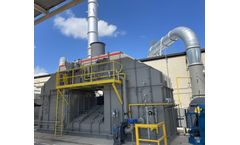
Their current VOC concentrations were up to 25% LEL (Lower Explosive Limit), but a destruction rate of at least 98% was required. ...
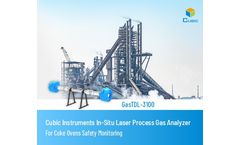
During this process, significant amounts of syngas including H2, CH4, CO etc is generated and the combustible component accounts for about 90%. The lower explosive limit of syngas, the higher the risk of an explosion when oxygen levels reach a certain point. According to Safety Data Sheet by United States Steel, the ...

The Challenge Originally published in Tablets & Capsules Magazine Capturing and destroying harmful emissions from pharmaceutical processes can be challenging. It’s not because the volatile organic compounds (VOCs) are difficult to destroy using catalytic or thermal techniques. It’s because their concentrations can be so high. These process streams raise safety concerns, both ...

Advanced Industrial Gas Analyzers stand as true marvels in technology. Key players in streamlining industrial processes, their role is indispensable. By measuring gases accurately, they ensure safety, productivity, and environmental compliance. The purpose here is to explore these critical tools in ...
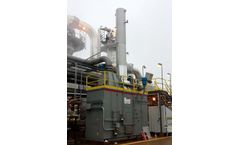
The Anguil Catalytic Recuperative Oxidizer destroys Hazardous Air Pollutants (HAPs), Volatile Organic Compounds (VOCs), and odorous emissions at significantly lower temperatures than thermal oxidation technologies through the use of catalyst. ...

Global regulations state that employers have a duty of care to protect the health, safety and welfare of employees. It is therefore critically important to keep workers’ occupational exposure to harmful gases within permissible limits. The following article explains how, for businesses that handle hazardous vapours, failure to comply with this duty can have disastrous ...

Overview: Jingxunchangtong gas detector explosion proof mainly deals in various combustible gas alarms. Toxic gas alarms (natural gas alarms. ...
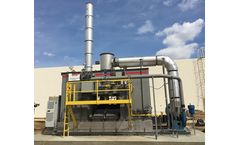
Batteries have become a key contributor in the world’s energy transition and critical in the effort to slow climate change. As a result, battery manufacturing technologies and techniques are constantly evolving as producers look to remain competitive, increase storage capacity, and improve efficiency while decreasing battery size and weight. For instance, some producers are turning to a ...
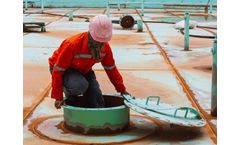
Exposure limits and worker safety: Choosing the right personal or portable gas detector Worker health and safety laws have come a long way in recent years. Even in the last few decades introductions of PPE (personal protective equipment), safer working conditions, and limits on exposure to dangerous chemicals and gases have become commonplace. A key part of being able to ensure these safety ...
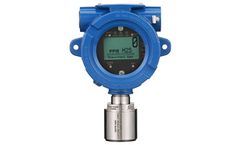
While the gasses may not ignite immediately, the risk for a potential gas explosion remains. Ultimately, pressure from the buildup of gas can cause the cell to rupture and release toxic or explosive gasses (most commonly, carbon dioxide, carbon monoxide, fluorine, hydrogen, and methane, though there may be others). ...
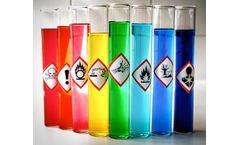
To help prevent an accidental leak and risk of explosion, gas cylinders should be stored in cool, well-ventilated areas, away from moisture and direct sunlight. ...
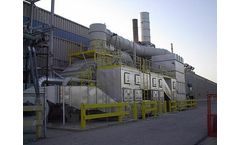
The Challenge Regeneration Game – Originally printed in The Canmaker Magazine – Sayers Publishing Group As the first generation of oxidizer systems in the industry nears the end of their service life, many canmaking plants face repair or replacement of their existing air pollution control systems. Like many others in the industry, a Silgan canmaking plant in the Midwest had been ...
While working with local regulators to satisfy air pollution control requirements for two new oven lines, bakery engineers explored the utilization of waste heat from pollution control systems. Like many other industries, food processors often find that the best available control technologies for emission and odor abatement are thermal and catalytic oxidizers. This bakery was particularly focused ...

Combustible Gas Monitors Can Reduce Risk in Pharmaceutical Facilities Utilizing Solvents Solvent vapors are very often flammable and, depending on the solvent, even explosive. It is critically important to understand the lower explosive limits (LEL) of the solvents being used, because LEL reflects the lowest concentration of ...