
Refine by
Lung Damaging Articles & Analysis
62 articles found

Introduction Welding operations are a critical part of industrial fabrication, but they generate hazardous fumes composed of fine metal particulates and gases. These fumes, if not effectively controlled, disperse into the work environment and expose workers to harmful contaminants. In fabrication shops where multiple welding stations operate simultaneously, this issue becomes significantly more ...

While the dangers of primary smoking are well-known, nearly half of the U.S. population remains at risk from the silent threat of secondhand smoke (SHS). Chronic exposure to SHS triggers a cascade of inflammation and vascular damage that can lead to irreversible conditions like COPD and emphysema. A recent study from Sturgis et al. (2025) has demonstrated a promising new therapeutic candidate: ...
Why Welding Fumes Are a Serious Health Concern Welding creates fumes that contain fine metal particles and gases. These fumes enter the lungs when workers breathe. Over time, repeated exposure causes serious health problems. Many of these risks do not appear immediately. They build slowly and affect workers years ...

Polystyrene microplastics (PSMPs), small plastic fragments measuring less than 5 µm in diameter, are increasingly recognized as harmful air-borne pollutants. Studies demonstrate their ability to penetrate deep into the lungs, where they can induce oxidative stress, inflammation and airway remodeling. A recent study by Balkrishna et al. (2025) investigates these effects in a murine model and ...

Silica dust is causing life-changing problems for stone masons Silicosis is one of the most dangerous respirable lung diseases in the workplace, especially when exposure to harmful silica dust is a common occurrence, such as in the stone industry. ...
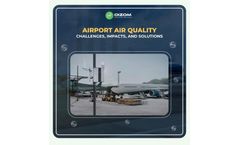
Recent studies reveal that airport workers and frequent travelers inhale more tiny harmful particles than the average person, increasing the risk of lung disease and heart problems. But it’s not just about health; poor air quality also damages airport equipment, shortens its lifespan, and can even lead to costly regulatory fines. ...

However, dysregulation of elastase activity can lead to tissue damage and has been implicated in numerous pathological conditions. Overactive elastase can cause excessive breakdown of elastin, leading to diseases such as emphysema, where the alveoli in the lungs lose their elasticity, and various skin disorders marked by premature aging or loss of elasticity. ...

As it enters the bloodstream, it can prevent your body from adequately absorbing oxygen, resulting in tissue damage and, ultimately, death. Concentration: 10 mg/m3 – Maximum daily 8 hour mean Lead (Pb): Lead is especially harmful to children, whose growth can be prevented even at low levels. ...
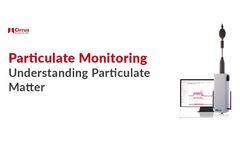
The smaller particles or PM2.5 are lighter, go deeper into the lungs to cause greater damage long term, stay in the air longer and travel further. ...

Additionally, fine particulate matter (PM2.5) emitted during incineration poses a significant risk to human health, penetrating deep into the lungs and bloodstream. Health Risks 1. Respiratory Issues Exposure to the toxic emissions from plastic incineration can result in respiratory ailments such as asthma, bronchitis, and chronic obstructive pulmonary disease (COPD). Fine ...

Particles that are smaller than 2.5 microns can go even deeper into the lungs where they can cause damage to the epithelial cells or pass into the blood stream. ...

There’s less time to save the Colorado River than it took to build the Hoover dam. Join our radical new inclusive collaboration Water, United. “There it is. Take it.” The famous words of William Mulholland, one of the fathers of modern Los Angeles. The ‘it’ he was referring to was not gold, or oil. It was water. An entire river in fact. One which had been diverted ...

The visible symptoms are manifold, from necrotic spots and premature leaf drop to yellowing and stippling. These damages disrupt essential functions like transpiration, making plants vulnerable to heat stress, nutrient deficiencies, and subsequent illnesses. ...
Arsenic trioxide (ATO) is an inorganic arsenical that poses significant environmental and public health risks due to its toxic nature. While it is widely used in various industrial and medicinal applications, the potential harm caused by intentional or accidental exposure cannot be overlooked. Despite its prevalence, the pulmonary pathology resulting from acute high-dose exposure to ATO has not ...
Mesenchymal stem cells (MSCs) have shown great promise in cell therapy for various diseases, including lung injury. However, recent research has focused on the therapeutic potential of extracellular vesicles (EVs) derived from MSCs. These EVs contain bioactive molecules that can modulate immune responses and promote tissue repair. In the context of pneumonia caused by Escherichia coli (E. coli) ...

Nitrogen dioxide is a highly toxic gas that can cause a range of health problems when inhaled, including breathing problems, lung damage and even death. NO2 gas sensors are used in a variety of applications, including air quality monitoring, environmental monitoring and industrial safety.Working principle of NO2 gas sensor:NO2 gas sensors work by measuring the ...

A new structural target for drug development against COVID-19 has been unveiled today by Sibylla Biotech in collaboration with the Italian National Institute of Nuclear Physics (INFN), the University of Trento and University of Perugia.The breakthrough drug discovery strategy pioneered by Sibylla in this study would not only promise to reduce the risk of drug resistance and harmful side effects, ...

An exciting feature of the system is that it has been found to be capable of detecting TB in the very early stages, when the disease is initially forming and the TB bacilli are lodged and multiplying in the upper respiratory tract, before they cause lung damage that can be detected in an x-ray or can get into the sputum. ...

Adequate ventilation can be expensive, but the benefit to your lungs cannot be overlooked. Why do I need ventilation? Ventilation removes noxious materials, dust and fumes that can damage your lungs. ...
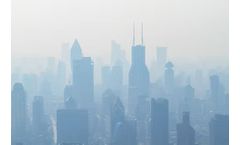
Prolonged exposure to the high concentrated polluted air will cause diseases like: Headache and nausea Throat irritation Dizziness Fatigue Dyspnea Conjunctival irritation Emesis Allergic skin reaction Moreover, long-term exposure is also associated with lung damage and even cancer. What Benefits FPI's AQMS-1000 Can Bring? ...