
Refine by
Magnetic Resonance Imaging Articles & Analysis
53 articles found

Gold nanoparticles have a good application prospect in biological imaging, mainly in the following aspects: Magnetic resonance imaging Gold nanoparticles can provide high-contrast images, so they are an excellent contrast agent for MRI (magnetic resonance ...

The University of Freiburg is one of the top universities in Germany and has been recognized for excellence in research and education for the last 565 years. In fact, 23 Nobel Prize laureates have researched, taught, and studied at the university. Markus Weiler is a Professor of Hydrology & Chair of Hydrology in the Faculty of Environment and Natural Resources and explains why ...

The US Food and Drug Administration (FDA) has given 510(k) clearance to SpinTech MRI’s latest magnetic resonance imaging software device, STAGE (STrategically Acquired Gradient Echo), a post-processing software platform that enables comprehensive, quantitative brain imaging with enhanced visualization in ...

Patients should be counseled to stay at least 15 cm (6 inches) away from devices with strong electrical or magnetic fields such as strong magnets, loudspeaker magnets, Electronic Article Surveillance (EAS) system tag deactivators, arc welders, induction furnaces, and other similar electrical or electromechanical devices. ...
ByCVRx
Iron oxide NPs are used in a rapidly expanding number of research and practical applications in the biomedical field, including magnetic cell labeling separation and tracking, for therapeutic purposes in hyperthermia and drug delivery, and for diagnostic purposes, e.g., as contrast agents for magnetic resonance imaging. ...

There was no history of acute trauma to the pelvic or acetabular region. Magnetic resonance imaging revealed bilateral fragility fractures, with the left more prevalent than the right. ...

According to our Advanced Practice Provider (APP) Advisory Board, imaging review, a key aspect of mild® patient candidate identification, is often not included in initial schooling. To help APPs learn the basics of image review, become more familiar with identifying anatomical landmarks, and understand how to confirm if a patient is a candidate for the ...

BACKGROUND Non-invasive techniques like urinary biomarkers and multiparametric Magnetic Resonance Imaging (mpMRI) show great promise for the detection of clinically significant prostate cancer (PCa), leading to a reduction of over-diagnosis and over-treatment. ...

Meanwhile, only 13 (43.2%) of 38 facilities used handheld magnets for physical screening, 25 (65.8%) of MRI units did not use any kind of ferromagnetic metal detection systems. ...

A number of cardiac tests may be used to make a diagnosis, including non-invasive methods such as X-ray, magnetic resonance imaging (MRI), echocardiograms (EKG), electrocardiogram (ECG) and genetic testing, or minimally invasive procedures, such as cardiac catheterization. ...

This study aims at developing new and improved MRI imaging protocols in order to obtain better quality images and improved/reduced scan time. We will also assess whether multi-parametric MRI imaging of multiple organs gives the same results when it is repeated on the same person after a period of time, and when it is performed on the same person in different MRI scanners. We hope that, by running ...
This is an observational cohort study looking at women, 30 years of age or older with a concern or at risk of suspected breast disease or breast cancer. The proposed study aims to examine the diagnostic performance of non-contrast MRI in breast disease by applying quantitative multiparametric MRI ...
Methods A retrospective review of hospital records from a single institution was performed to identify all patients that underwent implantation of a DASCOR device between 2006 and 2009. Clinical outcome and imaging data were gathered to assess device performance of the DASCOR device over an extended period of time. Clinical data were assessed using a visual analog scale for back ...
Introduction Magnetic resonance imaging offers a wide variety of contrast mechanisms to study soft tissue in the body. Using the complex data from the SWI scans, it is possible to produce magnetic source images using a novel reconstruction method that takes the phase data and reconstructs what is referred to as a ...
Guidance for Industry and Food and Drug Administration Staff Introduction This guidance document provides Food and Drug Administration’s (FDA’s or the Agency’s) recommendations on testing to assess the safety and compatibility of medical devices in the Magnetic Resonance (MR) Environment and the recommended format for Magnetic ...

Examples of less invasive methods that have been explored include sonomyography, mechanomyography, electroencephalography, near infrared spectroscopy, magnetoencephalographic, and functional magnetic resonance imaging (Silva et al., 2005; Fang et al., 2015). Although all techniques have their own benefits and limitations, the main focus of this ...

Nitinol (Nitinol) alloys have many material and device characteristics, for example, kinking resistance, stress constancy, dynamic interference, deflection stiffness, magnetic resonance imaging (MR1) compatibility, radiopacity and biocompatibility. ...

Creation of fixed beds with Creaform’s 3D scanner for CAD comparisons and the improvement of analysis and simulation methods The Fixed Bed Reactor (FBR) is the most frequently used type of reactor in the chemical and process industry (CPI). FBRs are mostly filled with ceramic filling material, often referred to as pellets, which serve a central function as fixed bed catalysts. An ideal ...
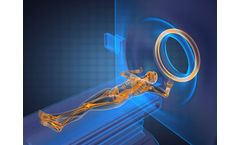
MRI Magnetic resonance imaging (MRI) is a diagnostic procedure that uses a combination of a very large magnet, radio waves, and a computer to produce detailed, cross-sectional, and three-dimensional images of organs and structures within the body. ...

Hospitals throughout the world, working towards improving the lives and outcomes for cancer sufferers, are using MRI (magnetic resonance imaging) scanners to diagnose and stage cancer in patients. Whilst the magnetic fields and radio waves used by MRI scanners pose no risk to humans, scanners’ cooling system potentially do, ...