
Refine by
Maintenance Inspection Articles & Analysis
431 articles found

The D-ring configuration is the primary determinant—fall arrest, positioning, climbing, or retrieval—followed by material, hardware, and fit. Inspections remain a separate discipline and should be managed by program requirements and manufacturer instructions. ...
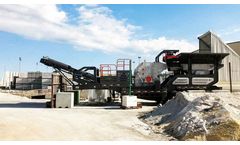
Consequently, companies can reuse valuable materials instead of sending them to landfills. Maintenance Tips for Better Performance Regular maintenance helps improve reliability. Inspect wear parts frequently. Replace damaged components when necessary. ...
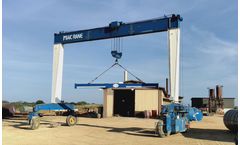
This article explains how PLC-based control systems work in RTG cranes, their core components, operational logic, advantages, and maintenance considerations.What Is a PLC-Based Control System in RTG Cranes? ...

Comparison RTO RCO Oxidation Temperature Around 760°C 300–550°C Thermal Efficiency >95% >95% Removal Efficiency 99% 98% Energy Consumption Low Lower Open Flame Yes No Maintenance Cost Lower Higher Applicability Broad Requires suitable gas composition Selection Recommendations Complex exhaust composition → Choose RTO Lower energy consumption priority ...
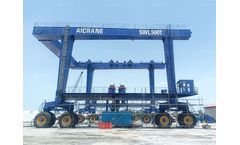
Protect Slings from Environmental DamageMarine environments are particularly harsh on lifting equipment.Slings used in shipyards are exposed to:Saltwater corrosionUV radiationMoisture and humidityOil, grease, and chemicalsExtreme temperature changesProtection methods:Store slings in dry, covered storage areasUse UV-resistant sling materialsRinse slings with fresh water after exposure to ...
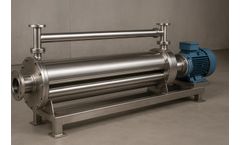
Removable inner tubes enable straightforward inspection, maintenance and replacement, while service-fluid side baffles in multi-tube models preserve heat transfer performance and enable counter-current flow if required. A notable design advantage is a sealing system that eliminates the need for product-end mechanical seals, reducing complexity, ...
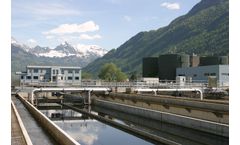
Operational conditions such as flow variability, influent quality, maintenance practices, and staffing levels determine how well the plant meets demand. ...

Their design allows them to withstand typical operating conditions, including standard flow rates and routine maintenance procedures. In most applications, they function exactly as intended without added components and can deliver decades of service with proper maintenance. ...
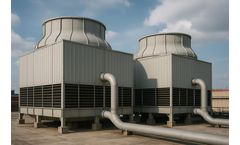
An integrated risk management program is required to maintain safety, reliability, and regulatory compliance, combining design assessment, water treatment, monitoring, maintenance, automation, and training.Understanding Legionella in Cooling TowersLegionella bacteria cause Legionnaires’ disease, a severe form of pneumonia, and infection occurs through inhalation of contaminated ...
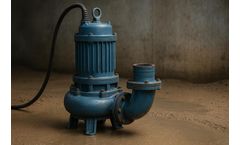
The decision is often driven by how the pump integrates with other system components rather than by the pump type alone.Pipeline length and friction losses: Longer runs increase resistance and require higher head to maintain flow.Required discharge pressure: Elevation gain and discharge distance determine the pressure the pump must overcome.Material density and particle size: Heavier slurries and ...

Industrial facilities face a critical decision when managing wastewater: rely on third-party hauling services or invest in on-site treatment solutions. While hauling appears straightforward, this approach often carries substantial long-term costs and operational risks that many organizations ...

While stationary system Gasboard-3200UV provides real-time process supervision, operators also need flexible equipment for routine field inspection, maintenance verification, and research sampling. Cubic Instruments' Gasboard-3200PLUS Handheld Biogas Analyzer provides on-site analysis of CH4, CO2, O2, and H2S based on NDIR and electrochemical (ECD) sensing ...

Membranes are thin coatings made of special materials that are generally resistant to water, moisture, gas or other external factors. These materials may consist of various components such as polymer-based synthetic products or bitumen-based materials. Membranes are usually sold in rolls and are designed to meet the specific needs of the application ...
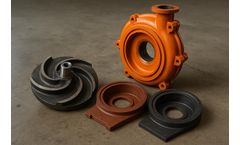
Liner wear is expected but must be monitored to prevent exposure of the casing and rapid damage progression. Regular inspections help maintain predictable replacement timing. How to Extend Wet-End Life Extend wet-end life by maintaining control over operating limits, slurry conditions, materials, and maintenance timing. Stay Within Operating Limits Keep flow ...
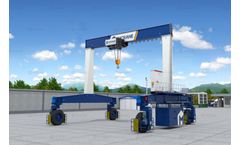
RTG crane hydraulic systems are designed with leak prevention measures such as: High-quality seals and gaskets Secure hose connections and fittings Protective hose routing Regular inspection points for maintenance In addition, hydraulic fluid quality must be carefully managed. ...
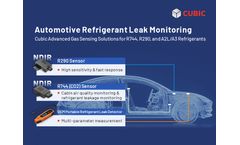
Other than the in-vehicle sensors, Cubic also provides OEM Portable NDIR Refrigerant Gas Leak Detector AM4209 to support efficient service and maintenance operations. Cubic Automotive Dual Function R744 Refrigerant Leakage Monitoring Sensor According to existing analysis, R744 (CO2) poses several potential risks when used as refrigerant in vehicle HVAC systems. ...
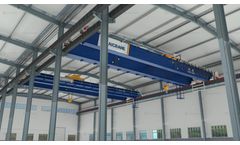
Duty class ratings provide engineers with the data needed to calculate fatigue life and ensure that cranes meet the expected operational lifespan without unexpected failures.Maintenance IntervalsHigher duty class cranes require more frequent inspection and maintenance schedules. By understanding duty class, plant operators can proactively plan ...

Long-Term Performance When properly installed and protected, HDPE liners exhibit durable chemical resistance, with functional lifespans estimated at 50 years or more in protected environments. Maintenance Benefits Lined containment systems reduce environmental risk and maintenance costs. Regular inspections verify liner integrity and performance ...
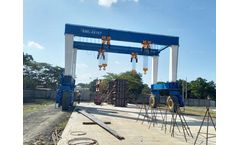
They are rarely used for permanent heavy RTG crane operations due to higher maintenance demands.3. Ground Load-Bearing CapacityThe load-bearing capacity of the ground is a critical factor. ...
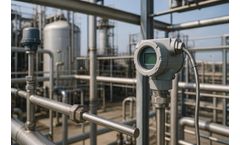
Industrial plants depend on temperature data for safe and efficient operation. Relying on reactive maintenance leads to unplanned downtime, emergency work orders, and calibration backlogs. Predictive maintenance applies digital diagnostics and analytics to anticipate issues before costly failures.Why Reactive Maintenance Isn’t EnoughConventional ...