
Refine by
Marine Pollution Articles & Analysis
88 articles found

Environmental Benefits: Achieving "Zero-Pollution" Operations Traditional diesel/hydraulic hoists operating near fragile coastal waters pose a continuous environmental liability. ...

Complex exhaust compositions from diverse marine fuels, including oil pollution, soot, and oil-water mixtures, further complicate accurate measurements. ...

Complex exhaust compositions from diverse marine fuels, including oil pollution, soot, and oil-water mixtures, further complicate accurate measurements. ...

Plastic pollution is one of the most urgent environmental challenges of the 21st century. With global plastic production reaching hundreds of millions of tons annually, traditional disposal methods—such as landfilling and incineration—are no longer sustainable. As governments tighten waste regulations and consumers call for greener solutions, advanced plastic recycling technologies ...

Finding effective ways to stop ocean pollution by reducing plastic waste and protecting marine life is one of the most significant contributions recycling companies can make to environmental preservation.Alarm over ocean pollution A combination of chemicals and waste, mostly from land-based sources, is carried into the ocean. ...
By diverting waste from landfills and incinerators, recycling reduces the harmful effects of pollution and emissions.Real-world benefits of recycling: Data and examples Recycling paper saves water and energy, and avoids cutting down trees, while recycling 1 kilo of glass saves 1.2 kg of raw material. Recycling plastics prevents them from ending up in oceans and landfills, ...

Single-use plastics contribute significantly to landfill accumulation, marine pollution, and the carbon footprint of supply chains. Transitioning to reusable containers aligns with broader environmental objectives, reduces regulatory risk, and enhances a company’s corporate social responsibility (CSR) profile. ...
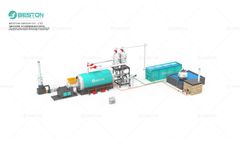
Additionally, it alleviates the burden on municipal waste management systems and reduces the accumulation of persistent pollutants in terrestrial and marine ecosystems.Carbon Emissions and Energy Intensity While pyrolysis is significantly cleaner than incineration, a Beston pyrolysis plant still produces carbon emissions, primarily from auxiliary fuel consumption ...

While prevention and recycling remain critical, innovative technologies like pyrolysis offer a groundbreaking solution to convert ocean plastic waste into valuable resources, addressing both pollution and energy needs. This article explores how pyrolysis works, its applications in marine waste management, and its potential to reshape the future of ocean ...
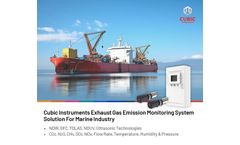
The marine shipping industry faces increasing pressure to reduce air pollution as health and global environmental concerns intensify. ...

Specifically, 98% of single-use plastics – responsible for 50% of marine pollution – have their genesis in fossil fuels. Only plastics labeled PLA are made of a thermoplastic polymer (polylactic acid), obtained from the fermentation of vegetables: corn, sugar cane, cassava… There is a belief that all plastics are recyclable. ...

This persistence of plastics in nature, together with the presence of some toxic elements in their composition and their capacity to adsorb pollutants from the environment once abandoned, is associated with environmental problems that lead to economic, social, health and biological problems, especially in the marine environment. A fact: single-use plastics are ...

Walking or cycling shorter distances boosts your health while also completely eliminating pollution. Carpooling and ride-sharing reduce the number of cars on the road, lowering air pollution. ...

High-quality water sustains life for humans, wildlife and marine life and is a key element in maintaining biodiversity Water pollution is caused by a variety of conditions. Sources of pollution occur at sea due to shipping and fishing activities, sewage and wastewater discharges, agricultural and industrial practices, fuel spills and global ...
Using this machinery can also reduce water pollution. The impact of pollution is serious, and it's crucial to look for ways to reduce pollution while keeping marine life healthy. There are many marine species which can be endangered, and reducing pollution is amongst the ideal way to protect ...

The application of geomembrane HDPE in engineering has a history of more than 60 years. The earliest use country can be traced back to the United States in 1930. Later, Italy, the former Soviet Union, and other countries have also used it one after another. The application of geomembrane HDPE in my country lags behind, but the development is very rapid. Today, it has developed into various fields ...
Employing this machinery could also reduce water pollution. The impact of pollution is serious, and it's crucial to consider approaches to reduce pollution and maintain marine life healthy. There are many marine species that are endangered, and reducing pollution is among the ideal way to protect ...

We are worried about environmental pollution, threats to marine life, global warming, and many more issues that arise from landfills. ...

Nonetheless, the discarded nets are deadly to marine animals, because they can entangle and suffocate species in the ocean. Over the past years, fishing nets are seen as another plastic pollution in the ocean, after plastic bottles and plastic films. An industrial shredder can process all ranges of the fishing net including cast net, bottom trawl, dragnet, drift ...

Since 1974, it has been a platform for raising awareness on environmental issue such as marine pollution, human overpopulation, global warming, sustainable consumption and wildlife crime. ...