
Refine by
Medical Titanium Articles & Analysis
6 articles found
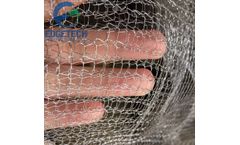
This feature is crucial in industries like marine engineering and chemical processing, where materials are constantly exposed to corrosive agents. Furthermore, titanium mesh is biocompatible, making it a go-to choice in the medical field for implants and prosthetics. ...

It offers good printability, high strength, and biocompatibility, making it suitable for medical devices, prosthetics, and anatomical models. What is Metal 3D Printing Materials? ...

Titanium and its alloys have many advantages as surgical implant materials, such as low density, high strength, good toughness, good biocompatibility, non-toxicity, low elastic modulus, good corrosion resistance, and low X-ray absorption rate Etc., thus occupying an increasingly important position in medical metal materials. ...
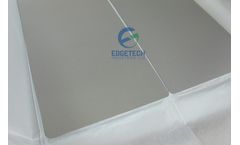
Porous titanium has found a wide variety of unique and important applications including filtration, separation, catalyst supporting, gas absorbing, gas sparging, current collection, and medical implantation. Manufacture process for porous titanium Raw titanium powder preparation—Cold isostatic pressing or ...

The efficiency of micro cutting tools that are used in high-speed air turbine spindles depends on the rotational speed of the rotor, especially when machining medical materials such as titanium alloys. A high-pressure variation on the surface of the rotor causes the rotor to retard and this severely limits the reliability and durability of high-speed spindles to ...
In order to improve the adhesion between diamond and WC-Co substrates, it is necessary to etch cobalt from the surface and prepare it for subsequent diamond growth. Alternatively, a Titanium Nitride (TiN) interlayer can be used prior to diamond deposition. ...