
Refine by
Mercury Pollution Articles & Analysis
57 articles found

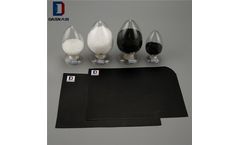
Resins used for heavy metal removal are essential for treating industrial effluents and shield ecosystems from harmful substances such as lead, mercury and arsenic. Beyond nuclear, heavy metal removal resins play a vital role in detoxifying industrial effluents, protecting ecosystems from pollutants like lead, mercury, and arsenic. ...
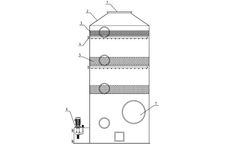
The treatment of flue gas is essential to mitigate the environmental and health impacts of air pollution. Various technologies and methods are employed in flue gas treatment, depending on the specific pollutants to be removed. ...
The skyrocketing price of gold in recent years has led to a boom in small-scale gold mining, in which mercury is used to separate gold from ore-bearing rocks. The world’s largest mercury pollution comes from emissions and releases from gold mining and coal-fired power stations. ...

Abstract Wet electrostatic precipitation technology can be used to control acid mists, sub-micron particulate, mercury, metals and dioxins/furans as the final polishing device within a multi-pollutant air pollution control system. ...

The technology also removes organic hazardous air pollutants, THC, dioxins, and mercury. Applications include the Cement NESHAP; Boiler MACT; incinerator CISWI MACT; Hazardous Waste MACT; glass furnaces; ceramics manufacturing, including tracking proppants, kilns, and thermal oxidizer clean-up. ...

Mercury monitoring requires high standards of quality from a measuring technology. In the future, large industrial plants that are producing mercury emissions must ensure that they are able to keep up with the tightened mercury monitoring requirements. ...
The technology also removes organic hazardous air pollutants, THC, dioxins, and mercury. Applications include the Cement NESHAP; Boiler MACT; incinerator CISWI MACT; Hazardous Waste MACT; glass furnaces; ceramics manufacturing, including tracking proppants, kilns, and thermal oxidizer clean-up. ...

These industries are the largest source of anthropogenic mercury emissions which pollute the air, soil, and water and lead to severe problems with the human health. Therefore, mercury contamination has to be monitored and eliminated. We present you a whitepaper which outlines: What is the largest source of mercury ...

Join Christy at ICMGP – the International Conference on Mercury as a Global Pollutant, booth 7, for a demonstration of our Jerome® mercury vapor analyzers and see the difference that an accurate, user friendly, reliable and durable mercury vapor analyzer can make. On display at the show: Jerome® J505 – ...
With the increase in the scale of production in XX century has become a problem of creating disposal and storage of waste, in particular mercury, which is hazardous toxicant. Recently mercury has been used for industrial purposes very widely. At the same time, there was lack of proper ideas about the correct handling of waste, so the environment was exposed to ...

Original story at MIT News MIT graduate student studies how a new U.N. treaty could affect mercury emissions from coal power plants in Asia. The Minamata Convention on Mercury, a global treaty adopted by the United Nations in 2013, aims to reduce worldwide mercury pollution by setting limits on specific ...
Mercury, the facts. Mercury is an element (Hg on the periodic table) found naturally in the environment. ...

But a significant and growing body of research suggests that exposure to environmental pollutants is implicated in the disturbing rise in children’s neurological disorders. ...
ByEnsia

Svartsjoarna have for a long time served as sedimentation basin for pulp fibres coming from the Paulistrom paper mill, 3 km upstream of the lake. In the mid-60's, a mercury based product was used for protecting the pulp from bacteria. The contaminated sediments consist of cellulose fibres polluted with mercury. It is estimated that the total ...
Original story at MIT News MIT researcher Noelle Selin assesses the challenges of implementing the first global mercury treaty. After four years of negotiations, delegates from more than 140 countries met last January to finalize the first global treaty to mitigate and prevent mercury pollution, the Minamata Convention. ...

An Environmental Protection Agency rule proposed in June to regulate discharges of toxic pollutants from power plants was significantly altered during White House review to include additional regulatory options for industry, an EPA document shows. ...

Once broken, a mercury content of 5 mg of energy saving lamps can be up to 50 tons of pollution of surface water. ...
The back stories of some widely used innovations of the past, such as leaded petrol, mercury products, DBCP pesticide, vinyl chloride, DDT, tobacco, and fossil fuel energies are used to derive lessons for handling current and emerging innovations and issues, such as nicotinoid pesticides, BPA, mobile phones, nano products, GMOs, alien species, and ecosystems resilience. ...

In the present investigation, different agricultural solid wastes namely: eggplant hull (EH), almond green hull (AGH), and walnut shell (WS), that are introduced as low cost adsorbents, were used for the removal of heavy metals (cobalt, strontium and mercury ions) from aqueous solutions. Activation process and/or chemical treatments using H2O2 and NH3 were performed on these raw ...

As a global pollutant, mercury can be transported over long distances and bioaccumulate. ...