
Refine by
Mercury Removal Articles & Analysis
73 articles found
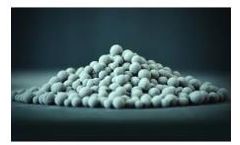
When engineers evaluate technologies for mercury remediation, discussions frequently focus on removal efficiency or binding strength. Laboratory studies often report sorption capacity and distribution coefficients (KD), which describe how much mercury a material can bind and how strongly it partitions from water onto the ...

When you are evaluating treatment media, you usually need answers fast. What contaminants can this media remove? Which product is the right fit for the water chemistry you are dealing with? What is happening at the chemical level that makes the treatment work? Those are the questions we had in mind when we created Sorbster’s new Heavy Metals & Contaminants Removal Product Line ...
Most treatment systems are designed to remove the majority of contamination early in the process. Solids are settled. ...

In the field of environmental materials, mica-based adsorbents are being developed for the removal of heavy metals and organic contaminants from aqueous systems. Modified mica surfaces, functionalized with amine or thiol groups, show promising results in capturing lead, mercury, and arsenic ions. This area of research continues to grow as sustainable materials ...
ByMatexcel
Summary Effluent water from client containing 184 ppb total and 182 ppb dissolved selenium at pH 7.62 was sampled for investigation of chemisorption removal by Sorbster® media. Selenium in this water was reduced an average of 76% by Sorbster® media to levels as low as 35 ppb at a 25 minute water-to-media contact time. In addition, the media provided significant ...
A pond water containing 8.0 ppb dissolved selenium @ pH 7.00 was sampled to Sorbster for investigation of chemisorption removal by Sorbster® media. Selenium in this water was removed by Sorbster® media to an average of 2.25 ppb in a single column pass at a 26.7 minute water-to-media contact time to achieve the refinery target of less than 5 ppb selenium. ...
A pond water containing 8.0 ppb dissolved selenium @ pH 7.00 was sampled to Sorbster for investigation of chemisorption removal by Sorbster® media. Selenium in this water was removed by Sorbster® media to an average of 2.25 ppb in a single column pass at a 26.7 minute water-to-media contact time to achieve the refinery target of less than 5 ppb selenium. ...

Application Industries: Refining – Catalytic reforming, hydrocracking, hydrotreating, molecular sieve, MTBE, sulfur removal, catalyst regeneration, HDS, alkylation, isomerization, hydrogen. Petrochemical – Ammonia conversion, paraxylene, propane, PTA, styrene monomer dehydrogenation, gas dehydration, methanol, LAB, cumene, PSA, mercury ...

Thermal Desorption: Operators use high heat to remove contaminants like mercury and hydrocarbons from the soil by turning them into vapours for proper disposal[1].Bioremediation: Environmental specialists utilize biological processes to clean up contaminated areas by harnessing the natural abilities of microorganisms to break down pollutants[3]. ...
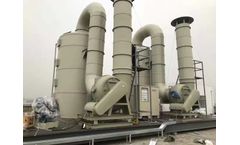
Particle Filtration: After the initial removal of particles, a further stage of filtration can be employed to capture any remaining fine particulate matter not removed in the first stage. Mercury Removal: If the flue gas contains mercury, it can be removed using activated carbon injection or ...
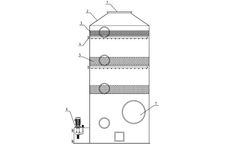
Carbon Monoxide (CO) and Volatile Organic Compounds (VOCs) Removal: CO and VOCs are often removed using combustion control technologies to ensure efficient and complete combustion. This can involve optimizing burner designs and adjusting combustion conditions to minimize the production of these pollutants. Mercury Removal: ...
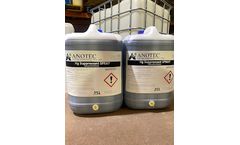
Mercury removal from industrial settings can be a complex process because of the risks associated with handling mercury and the potential for mercury to be released into the environment. ...

LafargeHolcim, the largest producer?of cement in the world, uses Gasmet’s Continuous Mercury Monitoring (CMM) system to monitor mercury emissions and maintain a higher level of safety in cement production. They obtained the CMM system from RACI, a distributor of Gasmet’s systems operating in Slovenia and Croatia. A quick distributor and a reliable continuous Hg monitoring system with ...
Methods to remove inorganic mercury from wastewater include sulfide precipitation, chemical coagulation, activated carbon adsorption, metal reduction, ion exchange, and microbiological methods. ...

Test results from coal –fired installations demonstrate >90% removal efficiencies on PM2.5, SO3, and near zero opacity. Additionally, wet ESP technology (WESP) can be used for mercury removal. ...
Following the new EU BREF document for waste incineration, European cement plants have to implement the requirement to continuously monitor and abate mercury emissions. To enable this they will need to apply technologies that measure mercury in the raw gas and optimise sorbent ...
ByENVEA
Following the new EU BREF document for waste incineration, European cement plants have to implement the requirement to continuously monitor and abate mercury emissions. To enable this they will need to apply technologies that measure mercury in the raw gas and optimise sorbent use. In December 2019 the new BREF (Best Available Technology Reference) document for waste incineration was published ...
ByENVEA

The soda lime glass fraction is conveyed to the washing unit to remove fluorescent powder and mercury contaminants from the culets. A closed loop water system ensures low water consumption. The washed out fluorescent powder forms a sludge which is removed and treated by a dewatering unit. The mercury can be recovered from ...
econ industries is proud to announce the next project towards making mercury history: a delivery contract for a VacuDry® Unit going to India. A VacuDry® 3 000 plant will be deployed to clean-up mercury contaminated soil from a former factory. Due to the location of the factory and strict environmental regulations, an on-site remediation with highest cleaning efficiency was requested. The ...

The site owner is a multinational chemical company, and the groundwater was contaminated with organics, arsenic, and mercury. The design engineer specified CETCO’s ORGANOCLAY MRM (Mercury Removal Media) to be included in the treatment system. ...
ByCETCO