
Refine by
Metal Toxicity Articles & Analysis
388 articles found

Why anti-fouling paint is not the answer Biocidal paints leach toxic metals into the water and can violate water quality regulations. ...
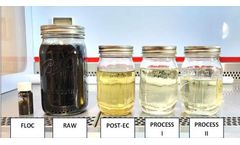
The diverse components of the leachate are due to the makeup of the waste within the landfill which can be composed of a toxic mix of heavy metals, such as mercury and arsenic, microorganisms, hazardous organic compounds, pesticides, pharmaceuticals, and per fluorinated compounds (e.g., PFOS and PFOA, aka “forever chemicals”). ...

In the world of metal fabrication, plasma cutting is unmatched for its speed and versatility. However, the process generates a hazardous cocktail of microscopic metal particles and toxic gases (like ozone and hexavalent chromium). ...

Waste Gas Pollution: Copper smelting and processing generate waste gas containing heavy metals and other toxic substances. Long-term inhalation may cause respiratory diseases and chronic poisoning. Solid Waste Pollution: Mining generates large amounts of tailings and waste rock, which may contain toxic and hazardous substances. If not properly ...

Wood has been part of human life for millennia - from a childhood understanding of it as the “trunk of a tree” to recognizing it as an anisotropic, fibrous material widely used in construction, paper production, furniture manufacturing, chemical industries, arts, and even as fuel. Chemically, wood is a complex structure containing a range of organic compounds and various chemical ...

However, these coatings may contain toxic heavy metals—mainly introduced through pigments or additives—which pose potential health risks when the dried paint film comes into contact with the human body, such as through skin absorption or accidental ingestion. Over time, these metals may accumulate in the body and transform into more ...
These regulations have once again drawn attention to heavy metal residues in textiles. When accumulated in the human body beyond certain limits, heavy metals can be toxic and even life-threatening. Thus, heavy metal analysis in textiles has become essential in quality control, failure diagnostics, complaint investigation, ...
Abstract Heavy metal pollution—primarily from highly toxic and bioaccumulative elements such as Hg, Pb, Cr, Cd, Ni, and the metalloid As-is considered one of the most difficult environmental threats to manage. ...
Abstract Urine is a readily accessible biological fluid and plays a crucial role in clinical monitoring and assessment of heavy metal exposure and toxicity. By analyzing trace metals in urine, healthcare professionals can quickly obtain vital information regarding a patient's exposure level, absorption, and potential health risk associated with ...
Abstract Lead (Pb) is a highly toxic heavy metal that poses serious risks to multiple human systems, including the nervous, hematopoietic, digestive, renal, and cardiovascular systems. ...
Abstract Heavy metal pollution-primarily from highly toxic and bioaccumulative elements such as Hg, Pb, Cr, Cd, Ni, and the metalloid As-is considered one of the most difficult environmental threats to manage. ...

Introduction Soil is the foundation of agriculture and ecosystems, yet industrial activities and pesticides often introduce toxic metals like lead, cadmium, or mercury. Rapid assessment of soil composition is essential for farmers, environmental engineers, ecologists, and regulators. ...
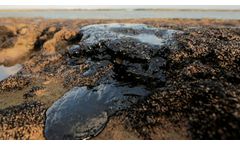
The high oil content in the sludge hampers the natural biological processes in the soil, reducing its fertility and rendering it less capable of supporting plant life. Additionally, toxic compounds such as heavy metals and persistent organic pollutants (POPs) often present in the sludge can bioaccumulate in the food chain, further amplifying environmental and ...

Environmental pollution caused by heavy metals and toxic elements has become one of the most pressing issues of our time. ...

The composition of oil sludge can vary, but it often contains heavy metals, hazardous chemicals, and toxic substances, making it a significant environmental threat if not properly treated.The improper disposal of oil sludge can have devastating effects on the environment. When oil sludge is carelessly dumped into landfills, rivers, or oceans, it can lead to soil ...
Food can contain various chemical elements, such as heavy metals and toxic substances, which can negatively impact consumer health. ...

An Effluent Treatment Plant (ETP) is a facility that processes industrial wastewater to remove pollutants and toxic substances, making the water safe for discharge into the environment or for reuse in industrial processes. ...

Traditionally, copper-catalyzed azide-alkyne cycloaddition (CuAAC) has been the cornerstone of click chemistry, but concerns about cytotoxicity and metal contamination have sparked increasing interest in copper-free alternatives. ...
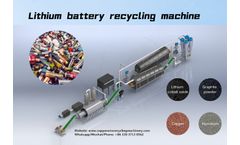
Lithium batteries are considered hazardous waste, because they contain metals and other toxic or corrosive substances. But on the contrary, lithium battery have an excellent potential for recycled materials because of these metals. ...

This new plant uses glass waste generated in the Canary Islands to produce abrasives free of heavy metals and toxic elements, chemically inert and non-reactive, which are used in the cleaning or blasting of ships at the Zamakona Yards shipyard. ...