
Refine by
Methane Digester Articles & Analysis
93 articles found
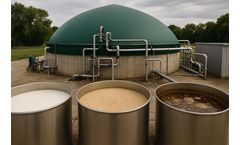
Why Anaerobic Digestion Works for Dairy Anaerobic digestion is a biological waste-to-energy process where microbes break down organic matter without oxygen, producing biogas, a methane-rich renewable fuel, and stabilized digestate solids. ...
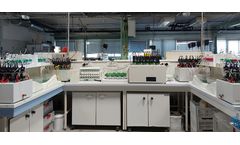
Research in animal digestion traditionally uses in vivo techniques with live animals, but a recent study from researchers at the University of Padova highlights how BPC Instrument’s Gas Endeavour can be utilised to perform in vitro tests in the lab to study methane production and kinetics. Understanding animal digestion, particularly the ...
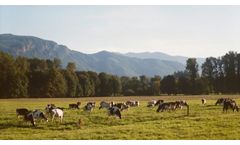
INRAE – Narbonne, France At the BIO2E platform at INRAE in Narbonne, researchers have been studying how different storage and pretreatment strategies affect methane production from multi-service environmental crops. The work, led by PhD student Clément Van Vlierberghe, looked at how to store and prepare these crops before they’re used in anaerobic ...
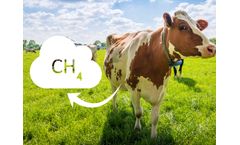
The global livestock industry is a significant contributor to methane emissions, with ruminant animals such as cows producing substantial quantities of methane during digestion. ...

Past studies have focused on the impacts of quats on cold temperature shock and recovery, long-term toxicity, acute toxicity, and methane production via anaerobic digestion. Currently, we are concentrating on the toxicity of different quat species in wastewater and their impacts on the ...

It is Better Than Collecting Waste Traditional waste disposal in landfills contributes significantly to air pollution. Landfills produce methane, a potent greenhouse gas that traps heat in the atmosphere 25 times more effectively than carbon dioxide. ...

The waste treatment system was a Type III marine sanitation device (designed for the shipping industry). They also explored anaerobic digesters to create methane and wave-energy generators for low-cost energy generation. ...
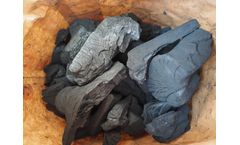
Biochar exhibits remarkable characteristics that make it a promising tool for various environmental applications.Methane Emissions in Animal HusbandryAnimal husbandry is a significant source of methane emissions due to the fermentation process that occurs in the digestive systems of ruminant animals, such as cattle and sheep. ...
Wisconsin Institute for Sustainable Technology at UW Stevens Point conducted a study to evaluate impacts of Ana-Zyme G on fatty acids in dairy wastewater. Ana-Zyme G was added as a single dose at 1 ppm at the start of testing. The addition of 1 ppm Ana-Zyme G led to a 34% reduction in total fatty acids by the end of the test. Levels of short-chain fatty acids also decreased with the addition of ...
Air-drying and composting may be attractive to rural communities, while limited land availability may make aerobic digestion and mechanical dewatering preferable for cities, and economies of scale may encourage energy recovery alternatives in metropolitan areas. ...
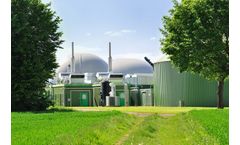
In this article we will explore the many benefits of the anaerobic digestion process for developing countries, and the vital role of Edinburgh Sensor’s carbon dioxide and methane gas sensors in the process.What is The Anaerobic Digestion ...
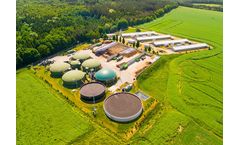
The exact chemical composition of biogas depends on the feedstocks used3, but it is usually around 60% methane and 40% carbon dioxide, with trace contaminant gases. The methane content is particularly valuable as this is what can be burnt to provide energy to be used elsewhere.In biogas production plants, there are several areas where monitoring ...
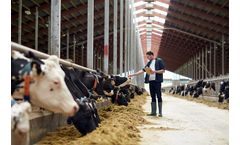
Cows, and other ruminant species, produce methane as part of their digestion process. This is because ruminants are one of the few species that can digest cellulose, which is what the cell walls in plants are composed of. ...
Domestic livestock such as cattle, sheep and goats, produce significant amounts of CH4 as part of the normal digestive processes in the ruminant stomach system. Ruminant animals host bacteria in their gastrointestinal systems to aid in the breakdown of plant material and some of these microorganisms (methanogens) use the acetate from the plant material to produce ...

Sludge digestion processes break down the material so it decomposes and turns into stable components. ...

BDC applauds Biden Administration, EPA and USDA for taking critical steps to reduce methane emissions through anaerobic digestion. Following the announcement of the “Methane Reduction Action Plan” at COP26, we are excited to see the Biden Administration, Environmental Protection Agency (EPA), and Department of Agriculture (USDA) view ...

It primarily entails global warming and the after-effects of that; when the surface of earth absorbs the heat from the sun or the carbon dioxide and methane i.e., greenhouse gasses – GHGs trap that heat into the earth’s stratosphere, it gets warmer and thus resulting in far-reaching negative implications for all the living organisms. ...

Wastewater plants with an anaerobic biological treatment stage or a digestion tank produce methane, or biogas – just like a cow. Changing a production schedule is like changing a cow’s feed and can therefore cause disruptions. ...
A new environmentally friendly digester is being added to the section of the plant which handles biosolids, the industry term for anything that goes into a drain or sewer that isn’t water. The anaerobic digester, which is expected to be completed by January 2021, will allow the WRRF to capture the methane gas released during the biosolids ...

The spoilage of stored grains can be detected with gas sensors for CO2 measurement. The Anaerobic Digestion process in the production of biogas relies on early gas detection through carbon dioxide and methane sensing. ...