
Refine by
Methane Emissions Regulations Articles & Analysis
19 articles found
Based on satellite monitoring and field data, the report indicates that the energy sector accounts for approximately 35% of global anthropogenic methane emissions.The report also estimates that nearly 30% of global methane emissions — more than 35 million tonnes annually — may be addressed using commercially available methane ...
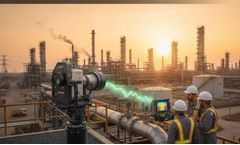
OGI, short for Optical Gas Imaging, has become one of the most influential technologies in industrial gas detection. What started as a visual inspection method has evolved into a core capability for safety, emissions control, and regulatory compliance across multiple industries. Today, OGI is no longer viewed as a standalone camera technique. It is increasingly embedded within broader monitoring ...
ByOPGAL
The regulatory landscape for methane and industrial greenhouse gas emissions is shifting rapidly. The United States Environmental Protection Agency is strengthening requirements under the Subpart W proposed rule, part of the Greenhouse Gas Reporting Program. The new expectations focus on more accurate quantification, verified measurement methods, and continuous or near continuous detection of ...
ByOPGAL
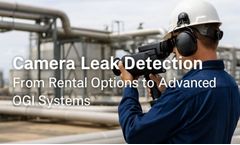
Introduction: Why Camera Leak Detection Matters Gas leaks pose significant safety, environmental, and financial risks. Methane and other volatile compounds are invisible to the naked eye, but even small leaks can lead to catastrophic accidents, regulatory fines, and lost revenue. For decades, industries relied on handheld sensors that could only measure one point at a time. Today, a camera leak ...
ByOPGAL
Introduction: Why Methane Regulations Are Evolving Methane emissions have become one of the most pressing challenges in environmental regulation. ...
ByOPGAL
Introduction: Why CH4 Connections Matter Methane, or CH4, is one of the most potent greenhouse gases known today. While its atmospheric lifetime is shorter than CO2, its warming potential is over 80 times higher over a 20-year horizon. This makes methane emissions a top priority for both regulators and industry leaders. When we ...
ByOPGAL
Introduction: Regulation Meets Innovation Methane emissions are one of the most pressing challenges in today’s energy and industrial landscape. Invisible to the naked eye, these leaks not only waste valuable product but also drive significant greenhouse gas emissions with major climate impacts. For years, reporting ...
ByOPGAL
As such, reducing methane emissions is one of the most effective ways to combat climate change in the short term. Accurate methane emission measurement is vital for identifying emission sources, evaluating mitigation strategies, and adhering to international regulations. ...
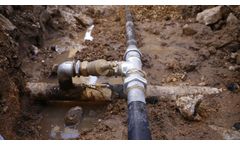
What are the new EPA standards for methane emissions? The EPA’s finalized methane emissions standards set stricter oil and gas industry regulations. ...
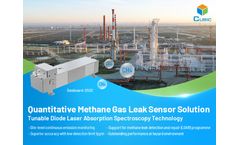
On 9 May 2023, European Parliament adopted the amendments on the proposal for a regulation on methane emissions reduction in the energy sector. The new law is the first piece of EU legislation aimed at cutting methane emissions and covers direct methane emissions from energy ...
These two regulations propose to introduce new stringent methane emission requirements on Alberta’s upstream oil and gas industry. ...

Globally, the oil and gas sector is one of the largest contributors to methane emissions. Methane emissions from the oil and gas industry in 2012 represent approximately 3.5 trillion cubic feet of natural gas escaping into the atmosphere. ...
ByOPGAL
China was a distant second, with 47 million (52 million), then Mexico, Russia, Turkey, Indonesia, Canada, the United Kingdom, Brazil and India, according to the Global Methane Initiative, an international partnership of government and private groups working to reduce methane emissions. ...
ByEnsia

The U.S. has already begun acting on these commitments and this month the EPA issued a voluntary request for information on emerging technologies that would help detect, measure, and mitigate emissions from the oil and gas industry. The environmental agency is also aggressively pursuing regulation of methane sources in the oil and gas sector. ...
Schneiderman, who threatened to sue the agency in 2012 for not regulating methane, said it was "essential that EPA also act on its responsibility under the Clean Air Act to regulate methane emissions from existing sources." ___ ENVIRONMENTAL EFFECTS OF LEAKS The leaks threaten to undermine the environmental ...

Methane emissions from landfill were estimated to account for around 3% of the UK‟s total greenhouse gas emissions in 2009. The reported figure for methane emissions from landfill in the UK represents 41.5% of all UK methane emissions. The IPCC guidelines indicate that measurement of methane emissions is necessary to validate models and to provide confidence in country specific model ...
Short-lived climate pollutants such as soot, methane and hydroflurorocarbons (HFCs) account for 30 to 40 percent of global warming to date. ...
Based on local legislation requirements ( reduction of green house gas emissions ) the gas collection system, compressor station with automatic methane regulation and low emission combustion with high temperature flare had to be built and installed. HOFSTETTER’s Task The landfill gas was to be combusted in a high temperature ...

A reduction of trade barriers will influence the overall scale of agricultural activities, the structure of agricultural production, the mix of inputs and outputs, the production technology, and the regulatory framework. These adjustments, in turn, will influence environmental quality by increasing or reducing environmental harm and creating or destroying environmental amenities. International ...