
Refine by
Methane Oxidizer Articles & Analysis
154 articles found

Methane (CH4) monitoring is a key element of industrial safety, environmental control, and process supervision. Due to its flammability and wide explosive range, methane requires continuous and reliable concentration measurement in both confined and open industrial environments. In addition to explosion hazards, methane emissions are subject to increasing regulatory control because of their ...

Technologies referenced by the IEA include LDAR systems, vapor recovery systems, flare gas recovery, and ventilation air methane (VAM) oxidation technologies. Low-concentration methane streams remain a technically challenging area of methane management. ...

Client: Confidential Client Site: Scotland, UK Application: Agrochemical manufacturer -patented cattle feed supplement for CH4 reduction Thermal oxidation and scrubbing of process vent gases - complete package Treats 0-400 kg/hr N2 with chlorinated VOC, HCl, NOx plus waste solvent destruction IED complian ...

Additionally, by diverting agricultural waste from open burning or uncontrolled decomposition, the biochar machine reduces methane and nitrous oxide emissions. In agroforestry projects, this translates into climate-positive land management, with long-term carbon sinks embedded within soils. ...
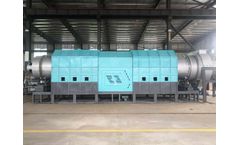
When applied to soil, biochar acts as a carbon sink, stabilizing organic matter and mitigating greenhouse gas emissions such as nitrous oxide and methane. In an LCA framework, the permanence of carbon sequestration and the enhancement of soil fertility are modeled over decades. ...
Reducing Greenhouse Gas Emissions from Soils Biochar can also reduce the emissions of other greenhouse gases from the soil, such as methane (CH₄) and nitrous oxide (N₂O). In the case of methane, which is a much more potent greenhouse gas than carbon dioxide, biochar can inhibit the activity of methanogenic bacteria in the soil. These bacteria ...
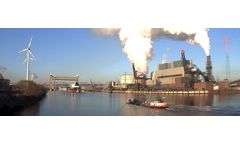
Cross-Sector Analyses In addition to climate-relevant CO2, we also measure methane (CH4) and nitrous oxide (N2O) and convert them into CO2 equivalents (Global Warming Potential – GWP). ...

From January 1, 2024, shipping companies must monitor and report not only CO2 but also methane (CH4) and nitrous oxide (N2O) emissions. By 30 April of each year (31 March as of 2025), companies must submit verified emissions reports for the entire previous year's reporting period. ...

Alumina catalyst carriers consist of aluminum oxide (Al2O3) materials which provide extensive surface areas for catalyst distribution. ...
Reduces greenhouse gas emissions, including methane (CH₄) and nitrous oxide (N₂O), from agricultural soils. These attributes make biochar a valuable commodity in carbon markets, where it can generate carbon credits for its role in mitigating climate change. ...
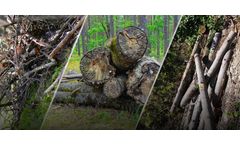
Reducing Greenhouse Gas Emissions Traditional methods of forest waste disposal, such as open burning, release significant quantities of greenhouse gases, including methane and nitrous oxide. Charcoal production via a controlled process eliminates these emissions, offering a cleaner alternative. ...
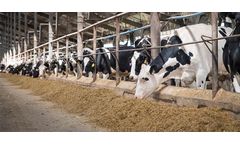
The Environmental Impact of Livestock Farming Livestock farming is a significant contributor to greenhouse gas emissions, particularly methane and nitrous oxide. These gases result from enteric fermentation in ruminants and the decomposition of manure. ...
Reducing Greenhouse Gas Emissions In addition to sequestering carbon, biochar helps reduce other harmful greenhouse gases, such as methane and nitrous oxide. These gases are often emitted from agricultural soils due to factors like fertilizer use and organic matter decomposition. ...

The list of GHG includes carbon dioxide (CO2), methane (CH4), nitrous oxide (N2O), and a few fluoride compounds. However, for most types of industries it is currently only CO2 emissions that are covered by the ETS so this article will focus on CO2 from here on. ...
ByOPSIS AB

The focus of the program is to demonstrate and evaluate BMPs relating to carbon dioxide, nitrous oxide, and methane. PEI Soil and Crop’s focus is on two GHGs: carbon dioxide and nitrous oxide. Other groups are involved in methane related demonstrations. Agroforestry Agroforestry is the production of trees or shrubs for ...
When plastic waste is burned, it releases carbon dioxide (CO2) and other greenhouse gases such as methane (CH4) and nitrous oxide (N2O) into the atmosphere. These gases trap heat in the Earth's atmosphere, leading to rising temperatures and destabilizing the climate. 2. ...
Environmental Impact: Mitigating Agricultural Waste Challenges Reduction of Greenhouse Gas Emissions Biochar production contributes to greenhouse gas mitigation by preventing the release of methane and nitrous oxide, common byproducts of conventional agricultural waste decomposition. ...

Greenhouse Gas Reduction Livestock manure is a significant source of methane and nitrous oxide, both potent greenhouse gases that contribute to global warming. The anaerobic decomposition of manure in lagoons or pits generates methane, while the release of nitrogen compounds from untreated manure contributes to nitrous oxide ...
Its porous nature acts as a reservoir for water and essential nutrients, reducing nutrient leaching and enhancing soil fertility. Reducing Methane and Nitrous Oxide Emissions Biochar application to soils can significantly reduce emissions of methane (a potent greenhouse gas) and nitrous oxide, contributing to climate change ...
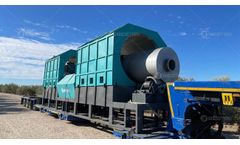
Environmental and Economic Sustainability Greenhouse Gas Mitigation Methane and Nitrous Oxide Reduction: Wood charcoal production contributes to greenhouse gas mitigation by reducing emissions of potent gases such as methane and nitrous oxide during the pyrolysis process. ...