
Refine by
Methane Potential Articles & Analysis
93 articles found
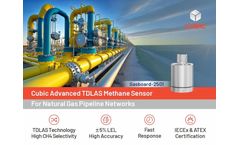
In the event of methane leak, there is a high potential risk of explosion, threatening personnel safety, equipment integrity, and the surrounding environment. In order to achieve earlier and more reliable methane leakage warning, Cubic, a leading manufacturer of gas sensors and gas analyzers, has launched the high-performance Gasboard-2501 ...

Why Methane Reduction Matters in the Energy Sector Methane is a greenhouse gas with a high near-term warming potential. ...
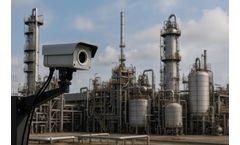
A major leak that begins after a manual survey can bleed product for hours or days before the next check, potentially triggering regulatory events and significant losses. Handheld OGI cannot address events that occur between surveys. ...
ByOPGAL
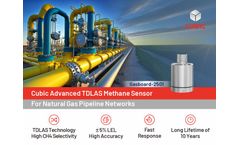
In the event of methane leak, there is a high potential risk of explosion, threatening personnel safety, equipment integrity, and the surrounding environment. In order to achieve earlier and more reliable methane leakage warning, Cubic, a leading manufacturer of gas sensors and gas analyzers, has launched the high-performance Gasboard-2501 ...
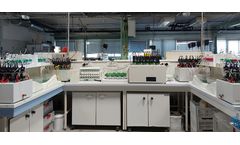
INRAE – Narbonne, France At the BIO2E platform at INRAE in Narbonne, researchers have been studying how different storage and pretreatment strategies affect methane production from multi-service environmental crops. The work, led by PhD student Clément Van Vlierberghe, looked at how to store and prepare these crops before they’re used in anaerobic digestion. ...

Bio-methane potential (BMP) testing is a standard anaerobic lab test used to assess the methane production potential of different feedstocks in wastewater treatment systems. ...
Summary This report was derived from 6 separate studies utilizing BG1 in combination with other additives as compared to the control setting, looking for the pathway(s) to the highest gas production. Samples were derived from various feedstocks, predominantly manure, but also wastewater from a meat processing facility, to determine the most effective additives to increase gas production. ...
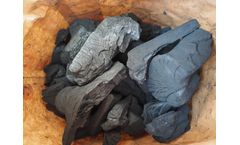
Animal husbandry plays a vital role in global food production, but it also contributes significantly to greenhouse gas emissions. Methane, a potent greenhouse gas with a high global warming potential, is particularly concerning. ...

In May 2022, the Water Services Association of Australia (WSAA) made available for public comment its Guidelines for Potentially Explosive Atmospheres, a guideline for the management of explosive atmospheres in wastewater infrastructures. While not specifically focussing on the environmental risks associated with methane gas and nitrous oxide emissions from ...

They ensure that fugitive or venting emissions of methane are reduced when there is a higher potential to emit. The Federal Regulations cover natural gas production and processing, conventional oil production, transmission, and most oil sands emissions. ...

It is estimated that 1 billion tons of methane are produced annually by anaerobic microorganisms called methanogenic archaea. Since methane is a potent greenhouse gas, increased atmospheric methane concentrations threaten life and livelihoods. ...

CH4 is highly flammable at very high concentrations of about 50,000 ppm. Methane acts as an asphyxiant at extremely high concentrations. Methane is the second most important greenhouse gas. ...

Giovanni (Piacenza, Italy), a GOI project (Operational Groups for Innovation), with the aim of enhancing the grape marcs, already normally used for the production of energy from biogas, increasing their methanogen potential (methane that can be obtained) through the treatment of hydrodynamic cavitation effect with BioBANG technology. ...
Reduction capabilities are counterbalanced by the strong GHG potential of methane, meaning methane slip must be kept as low as possible. ...

In April 2015, analysis conducted by the Rhodium Group and commissioned by EdF showed that: The 20 year global warming potential of methane emissions from the oil and gas sector has the same near-term impact as approximately 40% of total CO2 emissions from worldwide coal combustion in 2012. Globally, the oil and gas sector is one of the largest contributors ...
ByOPGAL

Organic wastes are a particular concern because of their potential to produce methane – a powerful GHG. However, the gases from the anaerobic digestion (AD) of organic wastes can be contained and utilised as a source of renewable energy. ...
ByVaisala

How do we make better use of surplus aquatic plants in the form of unwanted seaweed on our beaches and weed cuttings from streams and lakes? Aikan A/S has received support from the Danish Government’s EUDP program to examine the possible use of surplus aquatic plants as feedstock for the production of methane and certified compost, which can be used as fertilizer. Most of the time, yard ...

Leng, Preston and Inthapanya (2012) explored the hypothesis that there will be an additive effect on reduction of methane emissions from adding both biochar (increasing the potential microbial habit) and nitrate to the diet of cattle fed a basal diet of fresh cassava root chips supplemented with fresh cassava leaves. ...

Numerous studies have been done and articles written about abandoned wells that pollute groundwater supplies, emit methane gas, and cause potential explosion and contamination hazards to residential areas and farm land. ...

With CEPT, more readily degradable solids were removed, resulting in a higher bio methane potential of the primary sludge. In AD, FAs lowered the viscosity; meanwhile an increased hydrolysis rate was observed. ...