
Refine by
Microalgae Articles & Analysis
165 articles found
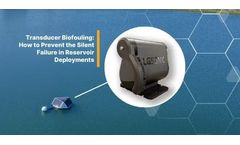
Transducer biofouling is the buildup of biofilm, microalgae, and mineral scale on the face of a submerged ultrasonic transducer. ...

The contemporary world presents complex challenges to water managers. Algal blooms multiply rapidly, expand, and disrupt the natural balance. Nearly every ancient approach is lagging. But a new turn is taking place. Ultrasonic waves are a latest innovative, non-chemical method for controlling algae in ponds, lagoons, and reservoirs. This method is consistent, and it also safeguards aquatic life. ...

Open algae culture systems and closed photobioreactors (PBRs) are the two broadest methods for culturing microalgae at medium to large scale, and the advantages and disadvantages depend on your microalgae cultivation goals. ...

Researchers are increasingly interested in the fatty acid composition of crops and microalgae to improve yield, oil quality, and stress resistance. As the demand for bio-based solutions rises, precise measurement of fatty acids becomes a cornerstone of innovation in food security, renewable energy, and sustainable agriculture. ...

Research has been conducted across a range of model organisms, including plants like microalgae and Arabidopsis, as well as animals such as mice, fish, and even humans. ...

Top biopolymers for wastewater treatment represent a big step toward better water quality. They offer a more sustainable approach compared to conventional treatments. But before diving into specifics, it’s crucial to grasp the role of these materials in addressing various wastewater issues. Top biopolymers for wastewater treatment are quickly gaining traction. As environmental concerns ...
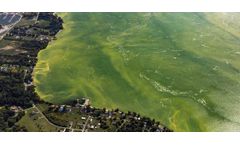
Cyanobacteria, often referred to as blue-green algae, are a type of microalgae that thrive in both marine and freshwater environments. Like other phytoplankton, they are an essential component of the aquatic food chain, providing a primary source of energy for various marine organisms. ...

In addition, Plant production systems include microalgae, cells, hairy roots, moss, and whole plants with both stable and transient expression. ...

Understanding Dunaliella Salina and its Nutrients Dunaliella salina is a green microalgae from the genus Halobacteria in the phylum Chlorophyceae, which thrives in high-salt environments such as salt lakes and salt evaporation ponds. ...
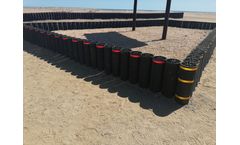
They belong to various taxonomic groups, including Archaea, bacteria, and some microalgae. The main groups of halo-organisms include: a. Haloarchaea (Archaea): Domain: Archaea Phylum: Euryarchaeota Class: Halobacteria b. Halophilic Bacteria (Bacteria): Various bacterial strains, including Halomonas, Salinibacter, and Halobacterium. c. Halophilic Microalgae ...
Apart from seaweeds, other marine organisms like microalgae, mollusks, crustaceans, and even bacteria have also been identified as potential sources of marine polysaccharides. ...
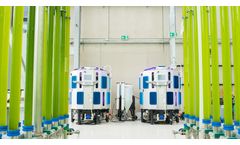
Our PBRs not only save the labour labor challenges associated with lab-scale microalgae cultivation, but also enhance the biosecurity of the process. ...

Guaranteeing consistent biosecure seaweed production is similar to what we have done in the shellfish industry, where our microalgae bioreactors support over half of the shellfish hatcheries in North America. ...

Another Phyco-Flow consignment packed and ready for a sea freight journey to Japan, this is for a long-established customer adding to their existing suite of Phyco’s. These PBRs will be located in a new purpose-built facility dedicated to micro algae ...
Take a look at one of the more bespoke designs we’ve built in recent years. Finished in May, this 10 unit Phyco-Bubble photobioreactor system was commissioned for LMU (Austri) to support their microalgal R&D ...
We recently installed 4 x 70L capacity Phyco-Lift, airlift photobioreactors utilisng Schott Glass components. Incorporating a full suite of controls with data acquisition and controllable, dimmable LED lighting, sterile dry air drives the systems with CO2 injection for pH control. Simple elegant research tools capable of producing a very wide array of micro algae, diatoms and ...
The team at Blue Lagoon has utilised a number of different Varicon Aqua systems for producing their unique microalgal strains. Extracts from these microalgae are included as active ingredients in their carefully formulated and patented cosmetic products that also include minerals and silica derived from deep Icelandic volcanic ...
We are pleased to announce another collaboration with the University of Technology, Sydney for the VIVID Lights, Music and Ideas Festival. Following the previous installation of a Phyco-Flow system at UTS (read more here https://bit.ly/2Lzrhpc), we worked with the team to design and develop a bespoke vertical bubble column system for an exciting interactive experience at the ...
We are pleased to announce the latest installation of a 2750 L Phyco-Flow system for Grupo Fagro at their new Micro Algae Technology Development Unit, Biorganix in Ramos Arizpe, Mexico in conjunction with Novel Agricultural Bioactives from Microalgae (NAMBA) initiative. Our Phyco-Flow tubular photo-bioreactor will be used to cultivate microalgae species for the ...
Varicon Aqua & Academic Collaboration Varicon Aqua has been involved with many academic and professional research institutions over the years, adapting our developmental processes to the fast paced and dynamic aims of the research community. Each project is specific and bespoke, providing a range of challenges to our design team. Many of these design innovations find their way into the next ...