
Refine by
Microalgae Biomass Articles & Analysis
14 articles found
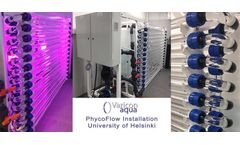
Researchers will use the tubular photobioreactor, situated on the Lahti campus (Faculty of Biological and Environmental Sciences), to cultivate microalgae in support of their on-going projects. One such project, Algae Factory, funded by Business Finland, focuses on producing microalgal biomass using nutrient rich side streams. The project targets production of ...

CO2 gas mixers are essential equipment throughout biological research and industrial biotechnology. In this article, we look at the applications and advantages of CO2 gas mixers and see why they offer advantages over pre-mixed gas supplies. All living organisms depend on the exchange of gasses with their environments. Animals and most bacteria respire, using oxygen from the environment to ...
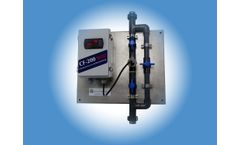
Phytoplankton-derived toxins and excessive plankton biomass adversely affect the quality of intake water for desalination facilities and the permeate produced by the reverse osmosis process. ...

A mixed culture of oleaginous yeast Lipomyces starkeyi and wastewater native microalgae (mostly Scenedesmus sp. and Chlorella sp.) was performed to enhance lipid and biomass production from urban wastewaters. A 400 L raceway pond, operating outdoors, was designed and used for biomass cultivation. Microalgae and yeast were ...
This work evaluates the use of native microalgae consortia for a dual role: polishing treatment of municipal wastewater effluents and microalgae biomass feedstock potential for biodiesel or biofertilizer production. ...
A single step process is proposed for ammonium removal from nitrogenous industrial effluents, with a concomitant generation of algal biomass. A microalgal strain found in the effluent treatment plant of a fertilizer industry in Mumbai, India was systematically adapted to remove up to 700 ppm of ammoniacal nitrogen from industrial wastewater, which is nearly four times higher than the ammonium ...

BUCHI Mini Spray Dryer B-290: Yield and total yield determination in spray dried microalgaes Recently, microalgal biomass has been recognized as a promising alternative source of raw material for biofuel production. Algal biomass has several advantages that may help to meet the need for the global demand of transport fuels, such as rapid growth ...
ByBUCHI
Because microalgae are known for quick biomass growth and nutrient uptake, there has been much interest in their use in research on wastewater treatment methods. While many studies have concentrated on the algal treatment of wastewaters with low to medium ammonium concentrations, there are several liquid waste streams with high ammonium concentrations that ...
Water recycling is an effective way to reduce water consumption in the industrialization of microalgae-based biomass/bioenergy production. The soluble algal products (SAP) which inhibit the microalgae growth will accumulate in the recycled water. ...
Cultivation of microalgae for biomass production is a promising way to dispose of wastewater and recover nutrients simultaneously. The properties of nutrient removal and biomass production in domestic wastewater of a newly isolated microalga Scenedesmus sp. ...
The paper reports the results of an experiment to assess the feasibility of including a photobioreactor within the design of a wastewater treatment plant, growing microalgae on the centrate from anaerobic sludge dewatering. The growth of algal biomass would take advantage of the available nitrogen and provide a substrate for biogas production by anaerobic ...

Chlorellais one of the few microalgae employed for human consumption. It typically has a high protein content, but it can also accumulate high amounts of lipids or carbohydrates under stress conditions and, for this reason, it is of interest in the production of biofuels. High production costs and energy consumption are associated with its cultivation. This work describes a strategy to reduce ...
Several studies have been conducted worldwide in order to develop a more economical method for mass algal cultivation so that more cost-effective biomass production can be accessed. One of the directions is to reduce production costs by using wastewater as a nutrient source in algal cell cultivation. The growth ability of a red-tide causative dinoflagellate species, Prorocentrum minimum, in ...

CO2 emission, which is feared to bring more harm than benefit to the environment, can be prevented and reduced through the cultivation of microalgae. Microalga is the fastest growing organism (estimated 40 times faster than terrestrial grass) and requires a high CO2 concentration to reproduce. Thus, this work evaluates the potential of microalgae ...