
Refine by
Microbial Fermentation System Articles & Analysis
40 articles found

Microbial fermentation is a cornerstone of food science and biotechnology, enabling the production of diverse food products, from traditional fermented foods to modern functional ingredients. ...

With the identification of various antibiotics, including streptomycin, chloramphenicol, and tetracycline, scientists have classified antibiotics into several categories based on their sources and mechanisms of action, including β-lactams, aminoglycosides, tetracyclines, macrolides, glycopeptides, lincosamides, and quinolones The production of antibiotics primarily involves ...

Glucose Isomerase (GI), also known as xylose isomerase, is a remarkable enzyme that holds a critical place in modern industrial biotechnology. This enzyme is used extensively to convert glucose into fructose, playing a pivotal role in the production of high-fructose syrups. Beyond its industrial importance, glucose isomerase has also become a fascinating subject of study in enzyme technology and ...
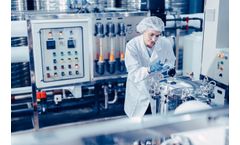
Fermentation is a metabolic process in which microorganisms convert sugars into alcohol, acids, or gases without oxygen. Its most notable applications are in the food and beverage industry, including alcohol production, food preservation, and dairy manufacturing. However, it’s also essential in biofuel generation and industrial chemical manufacturing – typically via microbial ...

Cyclodextrins are a fascinating class of molecules with a wide range of applications across industries, from pharmaceuticals to food technology. These cyclic oligosaccharides, derived from starch, have a unique structure that enables them to form inclusion complexes with a diverse array of guest molecules. This property makes them invaluable for enhancing solubility, stability, and ...
The cosmetics and skincare industry is constantly evolving and a recent trend that has emerged is the use of fermented ingredients in skincare products. Fermentation is a microbial metabolic process that has been used for centuries in food and beverage production, and now it has been extended to the cosmetic industry.What are Fermented Raw Materials?Fermented raw materials are natural ingredients ...
Additionally, research indicates that ergothioneine can inhibit the activity of mitochondrial complex II, providing protection to mitochondria; and that ergothioneine has a protective effect on mice with dextran sulfate sodium (DSS)-induced colitis. Microbial Fermentation Synthesis Traditional methods for ergothioneine production involve extracting mycelium from ...
At the 5th United Nations Environment Assembly (UNEA-5) held in March 2022, 175 countries signed a resolution to end plastic pollution. The aim is to achieve a legally binding international agreement by the end of 2024, addressing the entire lifecycle of plastic products, including production, design, recycling, and disposal. Addressing plastic pollution has become a global consensus, and ...
The role that industrial enzymes play in facilitating various processes in industries ranging from food and beverages to detergents, textiles, and biofuels is crucial yet often understated. These bio-catalysts are responsible for accelerating chemical reactions, making industrial processes more efficient, cost-effective, and eco-friendly. Despite their critical importance, the complexity around ...

Learn all about the milk pH level and its importance for dairy products. Explore the factors affecting milk pH, its impact on quality, and more. Find answers to FAQs about milk pH. Introduction Milk, a staple in many diets, is not just a simple beverage. Its composition is a complex mix of various elements, each playing a significant role in its quality and nutritional value. One such crucial ...

Peptides are short chains of amino acids that have various biological activities and therapeutic potential. They play crucial roles in various biological processes, such as cell signaling, enzyme activity regulation, and immune response modulation. Peptide fermentation allows for the production of peptides in sufficient quantities to meet the demands of research, clinical trials, and ...

It is well understood that the Earth’s resources are finite and in recent years consumers have become more environmentally conscious. This has driven the demand for cosmetics and beauty products to be as natural as possible but without having a negative impact on the planet. As a result of this, biotechnology has seen a surge in popularity within the beauty industry, driven by its sustainable ...
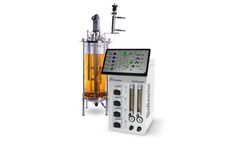
Bioreactors are vessels in which raw materials are converted to product by the action of living organisms. A bioreactor provides the optimal environment for cells and microorganisms to grow by maintaining pH, temperature, gas, and nutrient supply. What is the Difference Between a Bioreactor and Fermentor? The word ‘Bioreactor’ is often used as a blanket term. However, when the process ...

Throughout history civilisations have utilised clay pots and other vessels to create the prime anaerobic conditions for the fermentation of foods, wine and beer.Bioreactor Parts and Their FunctionsAs our understanding and technology advanced, we were able to progress to aerobic conditions in the early 20th century. ...
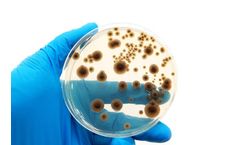
Biotechnology is a process which is based on biological systems and living organisms, from which products are synthesized. Such processes have been used for thousands of years to produce and preserve food products. ...
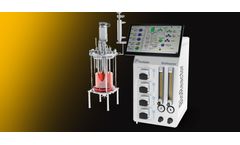
The Froilabo stirred-tank lab-scale bioreactor range covers a wide range of bioreactor applications including academia, research, process development & optimisation, scale up and production. Our benchtop bioreactors are suitable for microbial fermentation (fungi, yeast, or bacteria) and cell cultivation (mammalian or plant cells) processes. Featuring a novel magnetic mixer and non-welded lid, ...
Starting from a cup of coffee or milk in the morning, it seems that a vital substance—enzyme, is inseparable from modern people's dining table. In fact, not only in the food and beverage industry, but also in medical, household, health, energy, environment and other fields, enzymes are playing an important role. In the industrial enzyme industry, Creative Enzymes can be described as a ...
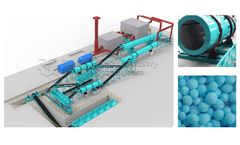
With the improvement of people's living standards in my country, people's requirements for the quality of agricultural products and the environment of origin are getting higher and higher. Organic food, ecological food, and green food will gradually occupy the high-end market. Therefore, the era of reducing the use of chemical fertilizers and pesticide pollution and vigorously developing ...
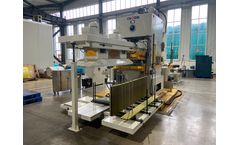
There are many kinds of sludge, mainly including industrial enterprises of sludge, such as electroplating sludge, printing and dyeing sludge, sludge and so on. River, waterworks sludge, sludge, etc. Municipal sludge (also known as sewage treatment plant sludge) is the development and long-term stability of urban sewage treatment, which produces a large amount of sludge, and due to its unique ...
For large- or small-scale fermentation, process optimization in some critical steps plays an important role in improving efficiency because it can directly affect the formation, concentration, and yield of a particular fermentation end product, thus affecting the overall economics. However, the improvement of fermentation process is frequently associated with a lot of challenges: it's expensive, ...