
Microbiologically Induced Corrosion Articles & Analysis
6 articles found
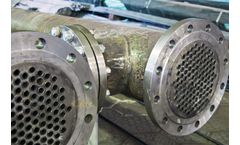
A method to prevent biofouling settlement in sea or brackish water intake and cooling water systems is necessary to help retain their efficiency and integrity. The most common method is continuous dosing with sodium hypochlorite, which is both expensive and environmentally undesirable. A pulsed chlorine dosing technique, Ecodosing™, has proved to be effective yet cheaper and less ...

Structures such as wet wells, grit chambers, sewer lines, and aeration basins all experience severe corrosion. These problems are aggravated by the fact that corrosion protection was typically not incorporated into the initial structure installation. ...

Winter Threats to Cooling Systems Without proper shutdown, your equipment can become a breeding ground for these common offenders: Metal Corrosion Microbiologically Induced Corrosion (MIC) Bacteria (Legionella) Scaling Fouling Rust And those water issues can cause the following damage to your cooling equipment, and ...
Crawford Company Products: SubstrateResurfacer F-121 ConoWeld Primer No. 501 SewerGard 210T & 210G Method of Application: SubstrateResurfacer F-121 - Trowel SewerGard No. 210T - Trowel SewerGard No. 210G - Airless Spray Environment / Exposure: Microbiologically induced corrosion and erosion from wastewater with elevated ...
For Municipalities and Municipal Utilities Authorities struggling to deal with corrosion issues, knowing where to turn when faced with these challenges can be daunting. Logan Township Municipal Utilities Authority, of NJ was faced with such problems when it was discovered that a five year old stainless steel headworks tank at their wastewater treatment facility was experiencing ...

Negative consequences of inadequate water treatment include:- Microbiological induced corrosion Damage of capital equipment and components Loss of fluid stability during injection. ...