
Refine by
Microbiology Control Articles & Analysis
112 articles found
In-situ generated hypochlorous acid (HOCl) has emerged as a premier solution, providing powerful microbiological control without the risks associated with hazardous chemical storage or endocrine disruption. ...

For nearly a decade, a seasoned water treatment technician had managed a 60,000-gallon open counter-flow cooling tower at a manufacturing facility near Houston, Texas. The system faced a persistent challenge: a water pH of ...
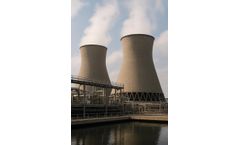
Cooling towers remain essential to process industries, but water quality challenges are intensifying. By 2026, stricter regulatory regimes and higher energy prices are driving adoption of advanced water treatment strategies for existing cooling towers to improve efficiency and sustainability.Overall efficiency has improved as operations align with sustainability objectives, prompting facility ...
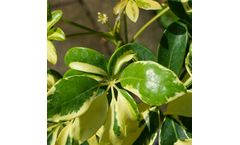
AbstractHuanglongbing (HLB), also known as citrus greening disease, represents one of themost severe biological threats to citrus agriculture globally. Caused by thephloem-limited bacterium Candidatus Liberibacter asiaticus, HLB disrupts vasculartransport systems and leads to progressive tree decline and mortality. Whiletransmission is primarily associated with the Asian citrus psyllid vector, ...

The gap between residue removal and structural microbial control represents one of the most significant blind spots in modern sanitation programs. ...
Abstract In agricultural production and post-harvest handling, inconsistent pathogen control is commonly attributed to environmental variability, application technique, or insufficient chemical strength. However, increasing evidence suggests that biofilm-mediated microbial protection plays a critical and often underappreciated role in treatment ...

Abstract Many water and process systems are experiencing increasing operational strain due to rising organic loads, biofilm development, and higher chemical demand. These challenges often manifest as instability in treatment performance rather than immediate regulatory exceedances. This article summarizes findings from full-scale municipal testing of Jenfltch JC9450 and translates those findings ...
How biofilm control strengthens food safety programs and supports Salmonella and E. coli risk reduction Introduction: Egg washing as a critical food safety control point Egg washing is a foundational food safety step in commercial shell egg production, designed to remove visible debris and reduce microbial contamination on eggshell surfaces prior to packaging or breaking. However, while ...
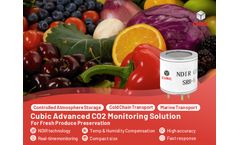
Fresh fruits and vegetables are highly perishable commodities, and maintaining their quality from harvest to consumption remains one of the biggest challenges in the global food supply chain. Recent academic study (Gouda and Duarte, 2024) shows that nearly 40% of fresh produce is lost during post-harvest handling, storage, and transportation, largely due to inadequate environmental control. Among ...

Location: Wolfe Power Line Dairy, Milton, PA Background: The Wolfe Power Line Dairy is a 750-head dairy farm with a 1.8 million gallon, above-ground manure storage silo designed to hold six to twelve months of manure production. The storage system is 30 feet below the barn grade and utilizes gravity to feed manure to the bottom of the containment ...
Abstract The certification of Jenfitch's JC 9465 by the Washington State Department of Agriculture (WSDA) under the USDA National Organic Program (NOP) represents a notable development in the landscape of sanitizing agents approved for use in organic food-processing environments. As organic production expands nationally, processors face increasing limitations regarding allowable sanitation ...
Location: Bledsoe Poultry Farm, Jamestown, TN Background: Jim Bledsoe operates several grow houses for chickens. As in other poultry operations, ammonia is a concern that needs to be addressed. Jim had used every product he found on the market that claimed to provide ammonia removal, including market leaders such as All Clear and PLT, but had not achieved the ammonia control ...
Location: Ecological-Asia, Singapore Background: Exporters and trans-shippers of ornamental fish have always faced the problem of maintaining fish health and well being as fish are shipped around the globe in plastic bags. During transport, the water in these closed containers may become oxygen-depleted asphyxiating the fish or it may accumulate excessive carbon dioxide reducing pH to toxic ...

Introduction Clean vs dirty water is more than a visual contrast. In water management, the difference determines whether households stay healthy, utilities meet compliance, and ecosystems avoid harmful algal blooms. We’ll explain the difference between clean and unclean water in practical terms, as well as outline key indicators, and connect those indicators to the European Drinking Water ...

The exponential growth of artificial intelligence, cloud computing, and edge computing infrastructure has pushed data center cooling systems to their operational limits. As facilities scale to meet unprecedented thermal loads, the traditional approach to data center cooling water treatment faces mounting challenges. These include persistent biofouling, Legionella contamination risks, mineral ...

Your facility’s Water Usage Effectiveness (WUE) score looks acceptable on paper. Your cooling towers run reliably. Yet you’re hemorrhaging thousands of gallons of water daily through blowdown discharge while facing mounting pressure to achieve sustainable operations. If this sounds familiar, you’re confronting the hidden inefficiency built into conventional data center water ...

You’ve treated your water, added chemicals, and still see green algae spreading across the surface. Despite best efforts in water management, stubborn algal blooms keep returning. Have you wondered, why does high alkalinity cause algae? The culprit might not always be insufficient treatment. However, it could be imbalanced alkalinity levels working. This is because alkaline water conditions ...
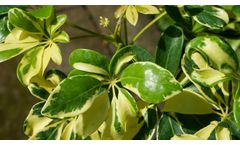
Citrus greening, more widely recognized as Huanglongbing (HLB), is caused by the bacterium Candidatus Liberibacter asiaticus, has emerged as one of the most destructive threats to citrus production worldwide. Since 2019, this disease has ravaged citrus industries worldwide, destroying approximately 75% of orange and 85% of grapefruit production in affected regions. It severely stunts tree ...

Quantum Disinfection™ (QD) is a revolutionary technology that utilizes principles from quantum mechanics to achieve unparalleled disinfection capabilities. This innovative approach harnesses the movement of electrons to create catalytic active surfaces that can instantly disintegrate any microorganism upon ...
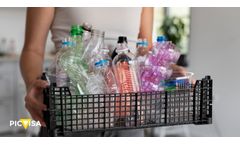
Organic recycling. It is defined as the controlled microbiological treatment of biodegradable plastic waste under aerobic (composting) or anaerobic (biogasification) conditions. ...