
Refine by
Microfluidic Articles & Analysis
92 articles found
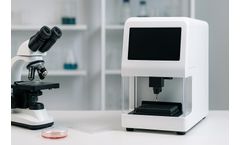
Unlike bulk sorting, isolating cells one at a time enables researchers to identify rare cell types, capture biological heterogeneity, and ensure monoclonality.In short, single-cell isolation empowers scientists to make more confident, data-driven decisions in both research and development environments.Benefits of Automated Single Cell IsolationMonoclonality Assurance: Regulatory bodies require ...
ByCytena

Polystyrene particles exhibit visual tracking, multi-color or fluorescent labeling, stability, tunability, and biocompatibility, making them essential tools and materials in microfluidic research and experimentation. Unveiling the Microfluidic Advantage The application of microfluidics can effectively overcome the time constraints and labor ...

Researchers can generate and test numerous lipid variants simultaneously, facilitating the discovery of novel lipid-based compounds with potential pharmaceutical applications. 5. Microfluidic Synthesis Emerging technologies in lipid synthesis include microfluidic systems, which enable the precise control of reaction conditions at a microscale. These systems can ...

Advanced techniques such as microfluidics are being developed to improve the isolation of CTCs, enhancing the sensitivity and specificity of FISH applications. ...

In the era of nanotechnology and semiconductor advancement, photomasks serve as a cornerstone in the microfabrication process. These precision-engineered optical templates are crucial to lithography-based patterning, which defines the microstructures in integrated circuits, MEMS, and other micro-scale devices. Understanding photomasks and their role provides insight into how precision and ...

Additionally, advances in technology, such as the use of automated systems and microfluidics, have enhanced the efficiency and accuracy of screening processes. ...

l Machine Learning Integration: Algorithms are increasingly employed to analyze spectral data, enhancing accuracy and enabling automated pigment classification. l Microfluidics: Miniaturized systems have streamlined pigment extraction and analysis, minimizing sample and reagent usage. ...

Micro-Flow Imaging (MFI) technology plays a crucial role in this regard.MFI is an advanced analytical technology that combines microfluidics and high-resolution imaging to detect and analyze particles in biopharmaceuticals (including antibody drugs) in real-time. ...

Alternatively, technologies such as nanoparticle-tracking analysis and microfluidics-based devices offer faster and more streamlined approaches. l RNA Extraction: The RNA is then extracted from the isolated exosomes. ...

Flow Cytometry and Cell SortingThese are used to separate and analyze individual cells.3. Microfluidic TechnologyThis allows for the processing and analysis of individual cells within tiny fluidic channels.Fields of Application1. ...
Semiconductor foundries or “fabs” are expensive to build and can take several weeks or months to produce finished chips for use in devices. Due to the costly materials, specialized equipment, and cleanroom environments required, most fabs operate with very small profit margins. This means a primary goal is maximizing yields with as little as possible. Throughout a fab, temperature, ...

Moreover, biomedical etchants are employed in the production of microfluidic devices. These devices are used in biotechnology and medical research to manipulate and analyze tiny amounts of fluids, such as blood samples or biological reagents. ...

Single-Cell ProteomicsThis technique is dedicated to analyzing the proteome composition in individual cells. Through microfluidic technology and high-sensitivity mass spectrometry instruments, proteins in a single cell can be quantified and identified, thereby revealing the differences in protein expression between different cell types.2. ...
Researchers are actively exploring new methods, from microfluidics to specialized homogenization techniques, to make large-scale liposome creation more feasible. ...

Hardware: Spectral imaging, microfluidics The molecular information represented by spectrum and the morphological information represented by images will form the basis for the future cytometry. ...
The most common methods include simple mechanical stirring, ultrasonic treatment, high shear mixing (HSM), high pressure homogenization (HPH) and microfluidics. Depending on the preparation methods of PLGA nanoparticles, amphiphilic, hydrophobic or hydrophilic drug molecules can be loaded into the core area of the nanoparticles or adsorbed on the surface of the nanoparticles, ...
POCT technical principles include dry chemistry, colloidal gold, immunofluorescence, microfluidic chips, chemiluminescence, biosensors, and biochips. Colloidal gold is the most commonly used nanoparticle for optical labeling due to its ease of use, biocompatibility, and high visibility. ...

Another advancement in microneedle patch technology is the use of microfluidic channels for active ingredient delivery. These channels allow for precise control over the release of active ingredients, ensuring that they are delivered in the right concentration and at the right time. ...
Critical Dimension Measurement is crucial in industries where precision matters most. Imagine making the tiniest parts for your smartphone or the chips that power your computer. Getting those sizes right is critical. Let’s explore why measuring these dimensions accurately is so important and how it’s ...
As the method involves the direct hot-melt extrusion of raw materials, strict quality control of active drug components is required, directly affecting the physicochemical properties and efficacy of microspheres.Novel Microsphere Preparation MethodsMicrofluidic TechnologyThe microfluidic technology for microsphere preparation involves producing droplets through microchannels. ...