
Refine by
Microplastics Pollution Articles & Analysis
28 articles found

Plankton, fish, crustaceans and mammals ingest plastic fragments — macroplastics or microplastics — directly from the water, mistaking them for food.Marine pollution negatively impacts the global economy, with plastic being the most damaging waste material. According to the World Economic Forum, between 75 and 199 million tonnes of plastic ...
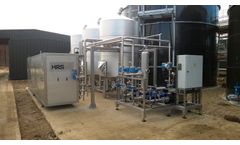
On top of global issues – such as the impacts of climate change on the availability of clean water, increasing environmental protections, rising energy prices, and challenges around aging infrastructure, pollution, forever chemicals and microplastics – many companies also have to face additional local or regional challenges. ...

Microplastics and microfibers can contaminate every matrix, including in the atmosphere, thus leading to incidental inhalation. However, concentrations of airborne synthetic particle in indoor and outdoor environments are not well understood due to the complexities of sampling, sample processing and identification. This work aims at producing a simple protocol to determine the concentrations of ...

Enzymes such as peroxidases, laccases, and dehalogenases are deployed to break down persistent organic pollutants, dyes, and even microplastics. Compared to traditional physicochemical methods, enzymes deliver higher selectivity, operate under milder conditions, and generate fewer harmful byproducts. ...
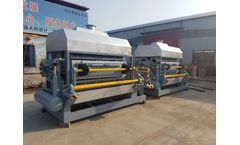
The quail egg tray making machine plays a pivotal role in modern poultry packaging systems, delivering functionality that meets the delicate handling requirements of smaller eggs. As quail egg production scales globally due to rising consumer demand and nutritional interest, the need for efficient, reliable, and protective packaging has grown in parallel. This machine provides an optimized ...

However, since these sources can often be more heavily contaminated with pollutants, microplastics and chemical impurities, technologies for safe water treatment are of central importance in achieving this ...

However, since these sources can often be more heavily contaminated with pollutants, microplastics and chemical impurities, technologies for safe water treatment are of central importance in achieving this aim.”Mobile chlorination systems enable the rapid disinfection of drinking water, for example in remote regions For decades, Lutz-Jesco has been developing ...

Introduction: In today’s competitive commercial real estate landscape, efficiency is not just a luxury—it’s a necessity. Efficient resource management directly impacts a building’s operational costs, environmental footprint, and overall sustainability. One crucial yet often overlooked aspect of this efficiency is water storage and management. GRP (Glass Reinforced ...
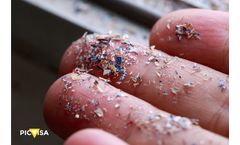
The recent accident in Galicia, where thousands of plastic pellets were dumped into the sea, has served as a stark reminder of the serious problem of microplastic pollution. More than an isolated incident, this incident invites us to reflect on the environmental repercussions of these tiny elements, their impact on marine life and the measures we can take to ...

But as they work tirelessly to ensure proper processing of hazardous materials, their own indoor air quality standards often take a backseat. However, with the rise of microplastic pollution and its high potential health risks, it has become increasingly important to improve indoor air quality in medical waste facilities. In addition, medical waste professionals ...

Under this vague definition, therefore, everything is technically biodegradable—even plastic, which can take hundreds of years to break down into microplastics that ultimately pollute our soil. The term “compostable”, on the other hand, is a regulated term. ...

Since the explosion of plastic consumption and production starting in the 1950s, billions of tons of plastics have been produced, and microplastics form during the manufacturing, product use, and breakdown of plastics1. Due to microplastics being released during the entire product life cycle, people are exposed to microplastics in our air, food, and water. Awareness of microplastics in water and ...
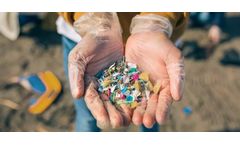
The tiny plastic particles are ubiquitous in the environment and our bodies, so what can be done to lessen risks? They collect at the bottom of the sea in the Marianas trench. They’re carried across the sky by the jet stream, coming to rest near the summit of Mt. Everest. They fall in raindrops on remote wilderness areas. They’re detected in tap water, and they’re in bottled ...

A recent study published in the Journal of Hazardous Materials found that when scientists analyzed the health of volunteer subjects, 80% had microplastics present in their blood cells. Microplastics are plastic particles smaller than 5mm, or about 1/5 of an inch. ...

Water pollution occurs when harmful substances such as microorganisms or chemicals contaminate a body of water. In the UK, a recent parliamentary report has found that the UK’s rivers have been highly polluted by raw sewage, slurry, and microplastics. The pollution comes from many sources, with agriculture and water ...

I knew we were going to have a big rainfall event and all of this pollution was going to be swept into the ocean.” Microplastics - plastics smaller than 5mm - are a pollution issue and are eaten by fish and shellfish. ...

Pollution by marine debris including microplastics has become a serious environmental problem, and scientists all over the world are exploring its status by carrying out a survey on microplastics accumulated in marine species. The effects of marine debris have spread through the food chain to marine species such as polar cod living in the Arctic ...

When fish and shellfish take them up, you have a way by which microplastics get into food chain. This river water, laden with microplastics, directly enters the Atlantic. ...

In past expeditions, researchers have used these filters to study iron cycling off the coast of New Zealand.7 There is a vast array of applications for membranes in aquatic studies: chlorophyll estimation, mass spectrometry analyses, size fractionation of organisms and microplastics, and quantifying metal and organic pollutant concentrations, to name a few. ...
Anaerobic digestion can help remove microplastics — a large cause of water pollution — during the sewage treatment process Microplastics, or tiny fragments of plastic, include microbeads, the plastic pellets present in thousands of household and personal care products, including toothpaste, cosmetics, and beauty scrubs. ...