
Refine by
Microscopy Sample Articles & Analysis
35 articles found

The Process of M-FISH The M-FISH analysis process involves several key steps: Sample Preparation: Cells are obtained from tissues or blood samples and cultured to increase the number of cells available for analysis. ...

At present, there are advanced instruments to relax the concentration range, but the sample with lower concentration is still more accurate than the sample with higher concentration due to the small interparticle interference. ...
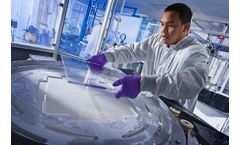
Vacuum windows are typically used in laser systems where they are used to transmit laser beams into or out of vacuum chambers; in spectroscopy where they allow light to enter or exit a spectrometer while maintaining a vacuum environment for accurate measurements; in microscopy where they enable observation of samples under vacuum conditions; in space applications ...

Plastics can be divisive since they are convenient and inexpensive, yet have a harmful impact on the environment. These materials are found everywhere – from museums to modern medicine, and even in the ocean waves. Plastic is ubiquitous, and Raman spectroscopy can be used anywhere it is located for identification, classification, and quality testing ...
ByB&W Tek

The main techniques for protein structure analysis include X-ray crystallography, nuclear magnetic resonance spectroscopy (NMR), cryo-electron microscopy (Cryo-EM), and atomic force microscopy (AFM). Here is a brief introduction in the following. ...

Diagnose diseases and to develop new treatments. Sample preparation for scanning electron microscopy SEM samples must be electrically conductive in order to produce images of high quality. There are numerous ways to prepare samples for SEM, depending on the type of sample and the desired outcome. ...
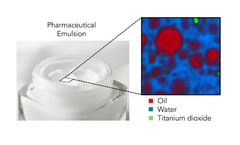
To ensure that such products are of high quality and meet their specific application needs, the characterisation of the morphology and distribution of particles within emulsions is crucial. Raman microscopy is an excellent technique for characterising such samples; it can produce highly detailed images with extremely specific chemical fingerprints at each image ...
To determine the three-dimensional structure of TnpB, the researchers extracted the TnpB protein from a bacterium called Deinococcus radiodurans and used cryo-electron microscopy. In cryo-electron microscopy, a protein sample is cooled to -196°C using liquid nitrogen and illuminated with an electron beam, revealing the protein's 3D structure. ...

In early February of this year, 2023, the Aquafix, inc. lab received a wastewater microscopy sample from an industrial manufacturer. They were experiencing extreme bulking and settling issues. After looking at the mixed liquor samples under the microscope we quickly realized that this client was dealing with the largest outbreak of Sphaerotilus ...
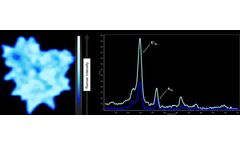
Raman and photoluminescence (PL) microscopy can provide highly detailed sample information in these crucial areas. ...
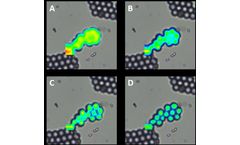
In Raman microscopy, spatial resolution is vital for discriminating different structures in a sample. ...
The MPS-3 Microanalysis Particle Sampler is an invaluable tool for the engineer to collect air-suspended particle samples from a disk drive for analysis. It is especially designed to make it easy for conducting analysis using advanced microanalytical techniques such as Scanning Electron Microscopy (S.E.M.), Energy Dispersive X-ray Spectroscopy (E.D.X.S.), Forrier ...
Welcome to Edinburgh Instruments monthly blog celebrating our work in Raman Microscopy, Photoluminescence, and Fluorescence Lifetime Imaging. Every month we will highlight our pick for Map of the Month to show how our spectrometers can be used to reveal all the hidden secrets in your samples. ...

The laboratory investigation involved generating titanium dioxide nanoparticles under controlled laboratory conditions and studying different sampling and analysis devices. The fieldwork comprised a series of nine interventions adapted to different workplaces and designed to test a variety of sampling devices and analytical procedures and to measure engineered ...

Introduction The classical field of neuroscience entails biological or psychological investigation of the nervous system, including the brain, spinal cord and the systemic network of sensory nerve cells called neurons.1 Traditionally, this field comprised of purely biological studies but has since flourished into an interdisciplinary sphere addressing the developmental, physiological, ...

In this paper, the amine-functionalized magnetite hollow nanospheres (AMHNs), prepared through a facile one-pot synthesis, were used as heavy metal ion adsorbents, whose morphology and physicochemical features were exploring by transmission electron microscopy, vibrating sample magnetometer, X-ray diffraction and Fourier-transform infrared analyses. ...
The prepared CFG are characterized by X-ray diffraction, Raman spectroscopy, Fourier transform infrared spectroscopy, field emission scanning electron microscopy (FESEM), vibrating sample magnetometer and so on. The FESEM results show that CFG have uniform core-shell structure with an average diameter of about 75 nm and the thickness of the outer graphene shell ...
The obtained catalyst was characterised by UV-Vis absorbance, X-ray powder diffraction, transmission electron microscopy and scanning electron microscopy. The decolourisation of the samples was studied by UV-Vis absorbance at the corresponding wavelength. ...

Images of the transfer well (left) and scale sample removed from the second stage vessel (right). A sample of the orange granular material from the second stage vessel was collected and returned to Avista lab for analysis. The sample was analyzed and identified as calcium sulfate scale combined with iron. ...
The synthesized nanocomposite was characterized by transmission electron microscopy, X-ray diffraction and vibrating sample magnetometer. Surface modification was confirmed by Fourier transform infrared spectrometer. ...