
Refine by
Mineral Test Articles & Analysis
27 articles found

Abstract Adenosine triphosphate (ATP) bioluminescence testing has become the dominant rapid sanitation verification method in food processing facilities. ...

May 25, 2021, in a recent study conducted jointly with GreenAgri Solutions, LLC (FL) a new mineral oxychloride disinfectant was tested on flying vectors that impacted fruit trees in Florida. ...

The following list encompasses instruments that are commonly used for environmental analysis: Avance III 400MHz NMR: applied for Component Analysis, Micro-analysis, Surface Analysis, Structure Identification, Performance Analysis, Toy Analysis, Polymer Material Analysis, Spice Analysis, Food Analysis, Environmental Analysis, Mineral Element Analysis, Analysis of Metal Materials ...
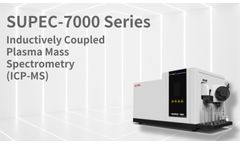
Special mineral elements such as Li, Sr, K, Na, Ca, Mg, etc. need to be diluted to an appropriate multiple before being tested on the machine. Results and discussion In sample analysis, 4 different brands of mineral water can be tested directly on the machine according to the sample processing method, which can provide high ...

Heterotrophic plate count (HPC) is the tried and true lab method for indicating the presence of pathogenic bacteria through the detection of general heterotrophic bacteria. Mineral and pH tests show mineral buildup and acidity respectively, which inform users which treatments are necessary for water purification. The purposes of the above ...

Robust and with a high-intensity magnetic field: the Wire Wrapped Drum Magnet bridges the gap between standard Neodymium Rare Earth Drum Magnets and magnetically powerful Rare Earth Roll Magnetic ...
A Nigerian mineral processor is installing two (2) Magnetic Disc Separators (MDS) to separate individual minerals in a Coltan plant. This latest export project reflects Bunting’s position as a recognised global leader for the design, manufacture, and supply of high-intensity magnetic separators for mineral processing. Technical product information: Magnetic Disc Separator ...
The electromagnetic laboratory-scale Wet High Intensity Magnetic Separator (WHIMS) removes fine magnetics and para-magnetics from mineral slurries. Handling minerals in a slurry or suspension is preferable for many processors, especially when beneficiation involves wet processing. Additionally, a wet process often produces a better separation for very fine materials. To see video, please click ...
The Chute Magnet Separator or Magnetic Slide is a simple but important laboratory-scale wet magnetic separator for any material test facility. This magnetic test equipment enables the assessment of a particle’s magnetic susceptibility, which provides the platform for further tests on specific wet magnetic ...

The high levels of dissolved organic minerals, chemicals, salts and heavy metals require appropriate treatment solutions based on the intended use for the produced water. ...

Abstract :The influence of the dilution medium quality on the ecotoxicological response of test organisms using microbiotests was studied. The toxicity of reference toxicants (potassium dichromate, zinc sulfate, phenol) and of a landfill leachate and a process water discharged from a metal finishing plant was assessed in various dilution media including standard ...

These tests showed EnBio MP46 to result in lower wear rates than standard mineral AW oil, as well as exhibiting greater wear resistance at high pressures under various use conditions. ...

Here’s why mining professionals are choosing the X-MET:1 - It’s fastNo special sample preparation is required, simply expose the mineral you want to test, pull the trigger, and the results will appear on the X-MET8000 Expert Geo’s screen in seconds. ...
The industrial grade touch screen has been extensively tested for chemical and physical resistance ensuring it can withstand solvents and other corrosive substances common in the testing environment. ...

These results will help better understand the feasibility of augmenting GAC with natural clay minerals during fixed bed column test which is more beneficial for practical industrial applications. ...
The optimum medium was found to be mineral salt medium tested, which contained 1% (v/v) molasses (MSM). Optimum pH values were 6 for PS and 8 for BW. All of the phenol present in the samples was mineralized regardless of its concentrations tested, Cr(VI) bioremoval was enhanced by the increase in phenol concentrations, and ...
This study proposes a new approach to selecting a biofilm carrier for immobilization using dissolved oxygen (DO) microsensors to measure the thickness of aerobic and anaerobic layers in biofilm. The biofilm carriers tested were polyurethane foam, mineral coal (MC), basaltic gravel, and low-density polyethylene. ...
From the quadratic models developed for degradation and subsequent analysis of variance (ANOVA) test using Design Expert software, the concentration of catalyst was found to be the most influential factor, while all the other factors were also significant. ...
Experimental results indicated that B-doped TiO2 not only was an effective photocatalyst, but also had considerable mineralization effects. The recycling test revealed that the photocatalyst remained effective after 10 uses, revealing the stability and reusability. ...

Testing is carried out in accordance with the requirements of the Food and Feed Regulations 2010 (SI2503/2010). The primary activities are proximates testing for MOPFA (Moisture. Oil (A) or (B). Protein. Fibre and Ash) and minerals testing using atomic absorption spectrophotometry for calcium, sodium, potassium, magnesium, ...