
Mixed Bed Deionization Articles & Analysis
7 articles found
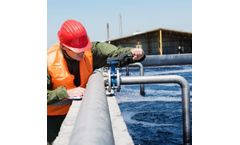
Manufacturing operations produce contaminated wastewater loaded with solids, chemicals, and organic matter that makes direct discharge or reuse impossible. Thankfully, wastewater is treatable using physical separation, biological digestion, and chemical reactions to remove contaminants at each stage. Progressive cleaning turns unusable wastewater into water clean enough for your processes or ...

Sustainable solutions can reverse the trend of salt pollution’s devastating effects on freshwater ecosystems Many headwater streams in the United States are becoming increasingly saltier, contaminated by mining, wastewater discharge, agricultural runoff, and urbanization. This salinization is changing the water chemistry of these freshwater systems and is having a negative impact on the ...

One goal of “electronic water purification” was to do continuous membrane softening of water. Another was to deionize water, which ED could not do effectively. First electrodeionization module 1977 Electrodialysis (ED) was first made successful by Ionics Corp in the 1950’s and 1960’s with the advent of ion-selective membranes and the concept of EDR. ...

PROJECT DETAILS LOCATION Ataqa, Egypt CUSTOMER Ataqa Power plant SOLUTION Seawater Demineralization Plant TECHNOLOGIES Ultrafiltration, Seawater Reverse Osmosis Desalination, Brackish Water Reverse Osmosis Desalination, Mixed Bed Deionization A power plant in Egypt needed to use seawater from the nearby Red Sea as feed water for its ...
Anion and cation resins are used in conjunction to create DI (deionization) water systems. The most common DI systems are the two bed and the mixed bed. ...

Furthermore, the portable exchange deionizers deliver quality water, without a capital investment reducing costs. ...
ByGrundfos

For fundamentally the same reasons that reverse osmosis (RO) system are cost-effectively replacing cation and anion units, EDI systems can also supplant mixed-bed deionizers (4). The EDI process is preferred in many systems primarily because of the environmental benefit of no required hazardous regenerant chemicals and the inherent superiority of ...