
Refine by
Molecule Generator Articles & Analysis
63 articles found

Biotin-labeled RNA denotes RNA molecules that have undergone chemical modification via the inclusion of biotin, a water-soluble vitamin often known as vitamin B7 or H. This diminutive, yet very adaptable, molecule facilitates the effective detection, separation, and manipulation of RNA molecules owing to the strong interaction between biotin and ...

Recombinant extracellular domains of CCR1 are used to: l Map ligand-binding interactions with chemokines and antibodies l Screen for small-molecule or peptide inhibitors l Generate high-affinity monoclonal antibodies for therapeutic exploration In contrast, full-length CCR1 expressed in mammalian or insect cells enables GPCR signaling assays, including ...

Microwaves are high-frequency electromagnetic waves that can penetrate samples and cause rapid vibration and rotation of polar molecules, generating a large amount of heat energy. During digestion, the sample is placed in a sealed digestion vessel, and microwave energy acts directly on the sample and digestion reagents, causing the sample to decompose rapidly ...

Photoacoustic spectroscopy technology detects leaks by detecting the sound wave signals generated by refrigerant molecules after absorbing light energy of a specific wavelength. ...
The latter is widely used off- and on-line with Flame Ionization Detectors (FID) or Mass Spectrometers (MS). Given the large number of molecules detected per chromatogram, the data generated by these monitoring techniques are usually checked and reprocessed manually. ...

The Importance of Exosome Lipidomics and Metabolomics The term lipidomics refers to the study of lipids in biological systems, whereas metabolomics involves the profiling of metabolites, the small molecules generated during metabolic processes. In the context of exosomes, these two analytical fields reveal a wealth of information about the state of the parent ...
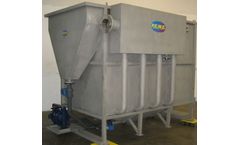
Applications: Industrial wastewater treatment Food processing industries Paper mills Refineries and petrochemical plants 1.3 Oil Skimmers Oil skimmers are mechanical devices used to remove oil from the surface of water. They are generally employed when the oil forms a visible sheen on the water surface. ...

It involves ionizing chemical compounds to generate charged molecules or molecule fragments, which are then separated and detected based on their mass-to-charge ratios (m/z). ...
It relies on the affinity between the protein and specific molecules (such as antibodies, ligands, metal ions, etc.) to achieve the specific separation and purification of the target protein. ...

With the rapid development of biotechnology, protein peptide drugs have become an important means to treat various diseases, and mass spectrometry analysis provides the necessary information at the molecular level.Characteristics of Protein Peptide DrugsProtein peptide drugs are generally large molecule biologics composed of short-chain or long-chain amino acids. ...

RNA splicing removes the introns from the pre-mRNA molecule and joins together the exons to form a mature mRNA molecule that can be translated into protein. ...

Metabolomics is a quantitative study of the dynamic patterns of changes in the types and amounts of endogenous small molecule metabolites (generally MW < 1,000) in organisms under the influence of endogenous and exogenous factors (e.g. genetic variation, disease attack, drug intervention, environmental changes, etc.) and their association with physiological ...
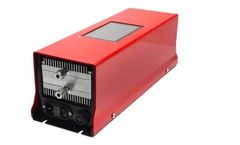
Here’s how ozone disinfects water: Ozone Generation: Modern Industrial ozone generators are pivotal in the ozone generation process. These devices produce ozone (O3) by passing oxygen (O2) molecules through an electrical discharge. Electrical discharge generators split oxygen molecules ...
For example, use immune agonists as payloads for ADCs. 3) The structures of traditional ADC small molecule payloads are generally complex and difficult to synthesize. New ADC payloads tend to select small molecules with simple structures and low molecular weights, which greatly reduces the difficulty of synthesis. 4) Traditional ADC payloads ...
Sources of RNAs in Exosomes Exosomes contain several types of RNA molecules, such as mRNA, miRNA, lncRNA and circRNA. These RNA molecules are derived from the cytoplasm and nucleus, and they are included in exosomes through different pathways. In general, RNA molecules can be included in exosomes through several pathways: ...
Trans-splicing occurs when exons from different genes are spliced together, generating novel RNA molecules. Read-through transcription refers to the transcriptional read-through of adjacent genes, leading to the production of fusion transcripts. Fusion genes, resulting from chromosomal rearrangements, create chimeric RNA molecules by merging ...
Apart from PROTAC, various targeted protein degradation (TPD) strategies are emerging, involving molecular glue, Autophagy-Targeting Chimera (AUTEC), Autophagosome Tethering Compound (ATTEC), and Autophagy Targeting Chimera (AUTOTAC). These compounds are generally bifunctional small molecules, consisting of two parts: one part contains an E3 recruitment ligand to ...

Fluorophore: Converts changes in the chemical or biological microenvironment caused by the binding of the recognition group to the analyte into signals that are easily perceptible by humans (color changes) or easily detected by instruments (fluorescence, etc.). Small molecule fluorescent probes generally use organic small molecule fluorophores, ...
RNA splicing removes the introns from the pre-mRNA molecule and joins together the exons to form a mature mRNA molecule that can be translated into protein. ...

Amidst these endeavors, Computer-Aided Drug Design (CADD) has emerged as a transformative methodology, harnessing the power of computational tools and simulations to predict, understand, and optimize the interactions between drug candidates and their target molecules. Through its integration of computer science, chemistry, biology, and physics, CADD has proven to be a pivotal ...