
Moving Bed Bioreactor System Articles & Analysis
5 articles found
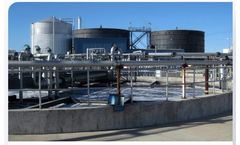
This is achieved by utilizing processes like attached growth systems or suspended growth systems. Attached growth systems include fixed film systems such as trickling filters, rotating biological contactors, and submerged fixed-film and moving-bed bioreactors. Suspended growth ...
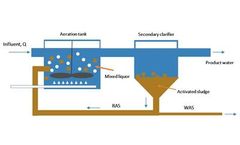
With regards to the sludge itself, an ASP is an open system and there is a different mass rate entering the system than there is exiting the system.Over time (without a recirculation system) all of the activated sludge in the tank would get pumped out. ...
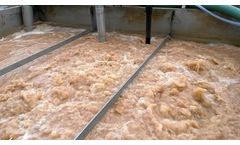
Below, we’ll describe the pros and cons of a moving bed bioreactor system (MBBR) in wastewater treatment Pros Higher effective sludge retention time (SRT) Sludge retention time is effectively the length of time that a particular unit of biological media is actively working within the bioreactor. ...

This is achieved by utilizing processes like attached growth systems or suspended growth systems. Attached growth systems include fixed film systems such as trickling filters, rotating biological contactors, and submerged fixed-film and moving-bed bioreactors. Suspended growth ...

A Moving Bed Bioreactor (MBBR) was operated at three different hydraulic retention times for a period of 414 days. The fate of the extractive compounds and the estrogenic activity of the Pinus radiata kraft mill effluents were evaluated using Yeast Estrogen Screen (YES) and gas chromatography – mass spectrometry (GC-MS) detection. Results show that the MBBR reactor is able to remove between ...