
Refine by
Mycotoxins Articles & Analysis
91 articles found
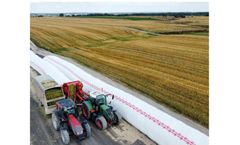
These contaminants consume essential carbohydrates and proteins, leading to nutrient losses, lower digestibility, and potential mycotoxin production that can harm livestock health. “The feed is more nutritious because we are not losing nutrients to those spoilage microorganisms, and we are not introducing contaminants into an animal that we are asking to grow rapidly ...
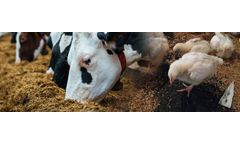
Many feed ingredients, especially in industrial farming, may contain unwanted contaminants such as mycotoxins, heavy metals, and other pollutants. These toxins can disrupt animal digestion, leading to gastrointestinal issues and overall health deterioration. ...
Furthermore, biochar's detoxifying properties help neutralize harmful substances in the feed, such as mycotoxins produced by mold. By binding these toxins, biochar protects animals from the negative effects of contaminated feed, improving overall health and productivity. ...
Any mycotoxin could be produced from many fungal species, and any fungal strain can produce many mycotoxins. ...

Mycotoxins and GMP fermentation are two key components to consider in today's food and beverage industry. ...

Moreover, bamboo biochar has a natural affinity for binding toxins such as mycotoxins, heavy metals, and bacterial toxins, reducing their harmful effects on poultry health and productivity.Environmental Sustainability and Carbon Sequestration One of the most remarkable aspects of bamboo biochar is its contribution to environmental sustainability and carbon sequestration. ...
Additionally, biochar supplementation has been shown to mitigate the negative effects of mycotoxins in feed, thereby enhancing poultry performance and welfare. Soil Amendment Utilizing biochar as a soil amendment in poultry farming systems can yield significant benefits in terms of soil fertility and crop productivity. ...

Until recently, quality control at Vitelia Voeders was mainly performed manually. Although this method met all legal requirements, the efficiency and time-intensity could still be improved. Moreover, the overview was sometimes lost. Since the implementation of BESTMIX® Quality Control, quality control at Vitelia Voeders is now digital and streamlined. Thanks to the integration with ...
ByBESTMIX

General statement: Zeolites are crystalline, hydrated aluminosilicates of alkali and alkaline earth cations which possess three-dimensional crystal structures. They have the ability to lose and gain water reversibly, to adsorb molecules of appropriate cross-sectional diameter and to exchange their constituent cations (NH4+, Na+, K+, Ca2+ ). In a structural standpoint, clinoptilolite like zeolite ...
General statement: Zeolites are crystalline hydrated aluminosilicates with remarkable physical and chemical properties, which include losing and receiving water in a reverse way, adsorbing molecules that act as molecular sieves, and replacing their constituent cations without structural change. They have the ability to lose and gain water reversibly, to adsorb molecules of appropriate ...
Enhanced resistance to diseases: Biochar's ability to modulate the immune system can help animals better combat various pathogens, resulting in reduced disease incidence and improved overall health. C. Reduction of Mycotoxin Effects Adsorption properties of biochar: Biochar produced by biochar production equipment has a high adsorption capacity, making it effective in binding ...
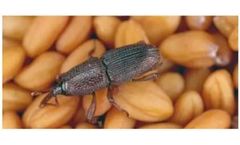
The loss of grain in storage relating to or resulting from living things such as insects, pests, rodents, and fungi and form physical rather than biological such as temperature or moisture lead to global losses that exceed 80 million metric tons in grain storage. Most of the time, Aluminium Phosphide is used for fumigation, though it can be dangerous. Also, insects and pests have developed ...

Controlling the temperature and moisture levels in grain storage is crucial for their overall quality and edibility because insects and mould are dependent on the temperature and moisture of the stored grains. Some moulds release mycotoxins which are harmful to humans because they can suppress the immune system, reduce nutrient absorption, cause cancer, and can even be lethal. ...
Some of these moulds release mycotoxins which can suppress the immune system, reduce nutrient absorption, cause cancer, and can even be lethal in high doses. ...
Some moulds can release toxic chemicals called mycotoxins which can suppress the immune system, reduce nutrient absorption, cause cancer, and even be lethal in high doses. It is therefore crucially important to prevent the presence of mycotoxins in food products.2 Monitoring Stored Grain Farmers are advised to check their stored grain weekly for signs of ...

Its existence has caused major water quality issues such as diminished recreational value of these surface waters, increased water treatment costs as well as the potential lethal consequences of mycotoxins from algal growth. For example, wastewater from municipal wastewater utility plants can contain from 4 to 21 mg/l of total phosphorus, with 1-4 mg/l organic and the rest ...
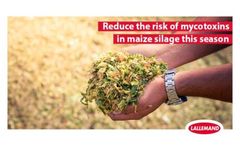
” The trial data also revealed that the treated silage showed a lower production of some specific mycotoxins after it had been exposed to oxygen, supporting palatability and reducing a potential threat to cow health. ...

Aquaculture is growing at a greater rate globally than any other agribusiness sector. It is widely predicted that with 6 to 8% annual growth rate continuing well into the foreseeable future, aquaculture will offer good investment opportunities. However, just like any other endeavor, there are some very good reasons why what some see as a pot of gold at the end of the rainbow is empty and full of ...
At the same time, the residues of mycotoxins and their metabolites in livestock products can cause serious harm to human health through the food chain. ...

This is because insects and mould are dependent on the temperature and moisture of the stored grains. Some moulds release mycotoxins which are harmful to humans because they can suppress the immune system, reduce nutrient absorption and even be lethal. ...