
Nanofiltration Membrane System Articles & Analysis
27 articles found
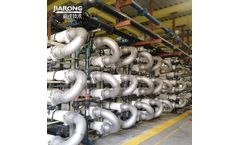
Processing scale: 7500 tons/dayTreatment process: TMBR+MTNFProject features: This project is the world’s super-large TMBR tubular membrane project and a domestic large-scale MTNF nanofiltration membrane project. ...
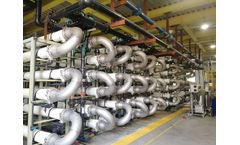
Processing scale: 7500 tons/day Treatment process: TMBR+MTNF Project features: This project is the world’s super-large TMBR tubular membrane project and a domestic large-scale MTNF nanofiltration membrane project. ...

Application: Chemical wastewater Scale: 20 tons / hour * 2 Process: UF-MTNF-MTNF, UF-MTRO-MTRO Time: 2015 INTRODUCTION In the treatment of high-salt, high-temperature, high-pH chemical production wastewater, Jiarong uses a tubular ultrafiltration membrane plus two-stage nanofiltration membrane treatment process to separate the different ...
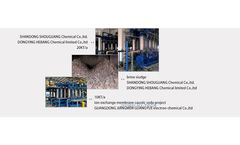
Compared with organic polymer membrane, CBS not only eliminates the need of process and equipment of pretreatment system, flotation with pressurized dissoluble gas and floated clarification but also eliminates the need of corrosive, harmful chemicals such as ferric chloride which reduces the corrosion damage of system equipment and piping, ...
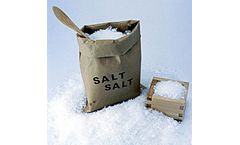
Edible Liquid Salt PurificationWithout adding flocculant, resistant to pollution, high filtration accuracy, stable &high quality refined brine. Nanofiltration Systems Sulfate RemovalThe membrane has charged groups that selectively reject multivalent anions such as sulfate ion. Primary Brine PurificationCeramic Brine Membrane ...
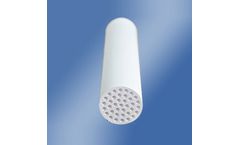
Ceramic Nanofiltration membrane is relatively recent membrane filtration system, with the purpose of softening and removal of disinfection by-product precursors such as natural organic matter and synthetic organic matter. More ultrafiltration membrane system details here! CHARACTERISTICS OF ...
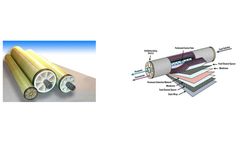
Nanofiltration (NF) or nanofiltration membrane technology is a relatively recent membrane filtration process used most often with low total dissolved solids water such as surface water and fresh groundwater, with the purpose of softening (polyvalent cation removal) and removal of disinfection by-product precursors such as natural ...
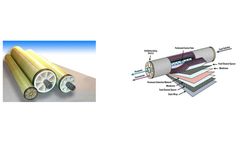
Nanofiltration (NF) or nanofiltration membrane technology is a relatively recent membrane filtration process used most often with low total dissolved solids water such as surface water and fresh groundwater, with the purpose of softening (polyvalent cation removal) and removal of disinfection by-product precursors such as natural ...
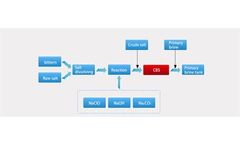
Compared with organic polymer membrane, CBS not only eliminates the need of process and equipment of pretreatment system ,flotation with pressurized dissoluble gas and floated clarification but also eliminates the need of corrosive, harmful chemicals such as ferric chloride which reduces the corrosion damage of system equipment and piping, ...
The inorganic membrane filtration unit adopts three-stage series "cross-flow filtration" mode. ...
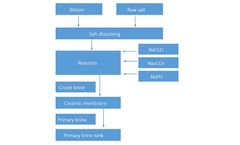
Evaporator can not be fouled for a long time due to high-quality refined brine (SS<0.5mg/l , Ca2 ++Mg2 ++<0.5mg/l) Nanofiltration Systems Sulfate Removal Membrane filtration principle Membrane filtration technology is based on a selective filtration through a pressure -driven membrane. ...
Membrane Technology Reverse osmosis (RO) and nanofiltration (NF) systems use membrane technology to remove a variety of contaminants including ammonia, arsenic, chromium VI, dissolved solids, gross alpha, hardness, fluoride, lead, nitrates, selenium, organics, TOC, color and uranium. Advanced membrane ...

The aim of this study was to propose a risk assessment method for infectious diseases, using reclaimed water as a case study. To evaluate the infectious risk of norovirus (NoV) in various applications of the reclaimed water, five types of ultrafiltration (UF) membrane treatments were considered: (1) coagulation with low pH + UF membrane process, (2) UF membrane process alone, (3) UF + ...
The STiR walnut shell filter was selected by a global tire manufacturer to solve issues related to its’ membrane filtration train. This train includes reverse osmosis and nanofiltration, and was made unviable by high levels of oil in its’ boiler feed water. ...
Nanofiltration (NF) is a relatively recent development in membrane technology with characteristics that fall between ultrafiltration and reverse osmosis (RO). ...
A double membrane system combining a membrane bioreactor (MBR) with a nanofiltration (NF) membrane at the pilot scale was tested to treat real antibiotic wastewater at a pharmaceutical company in Wuxi (China). The water yield of the pilot system reached over 92 ± 5.6% through ...
The aim of the current study was the exploitation of agro-industrial wastes or by-products such as olive mill wastewater (OMW) and defective wines. A cost-effective system for their maximum exploitation is suggested, using a combined process of membrane filtration and other physicochemical processes. Wastewaters are first treated in a membrane ...
EconoPure Water Systems EconoPure Water Systems designs and manufactures highly economical, scalable, low‐fouling membrane systems. The Company leverages the proprietary low‐fouling nanofiltration (“LFNano”) system consisting of a unique membrane element ...
EconoPure Water Systems EconoPure Water Systems designs and manufactures highly economical, scalable, low‐fouling. membrane systems. The Company leverages the proprietary low‐fouling nanofiltration. (“LFNano”) system consisting of a unique membrane element ...
The Problem: Membrane water treatment is costly and complex due to the systems required to mitigate membrane fouling. ...