
Ndir Optical Sensor Articles & Analysis
5 articles found

Monitoring carbon dioxide (CO2) is an established requirement in industrial safety systems and in applications where CO2 concentration is used as a control parameter. Most professional CO2 sensors rely on NDIR (Non-Dispersive Infrared) technology due to its measurement stability and long service life. This article explains the NDIR principle, outlines the main advantages and limitations of the ...
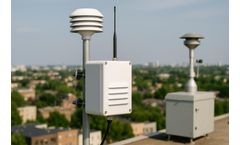
Indicative monitoring uses low-cost, often wireless sensors to collect air quality information with moderate accuracy. The emphasis is on information value—identifying pollution trends and spatial variations—rather than obtaining the most precise absolute measurements.Continuous Monitoring vs Indicative MonitoringContinuous Monitoring (Reference-Grade): High accuracy, regulatory ...
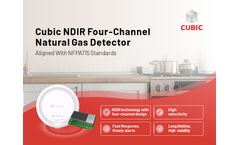
Among optical sensing solutions, NDIR and TDLAS sensors are already the main choices on the market. ...

How does NDIR (Non-Dispersive Infrared) CO2 Sensors Work? NDIR CO2 sensors work relying on the principle of infrared absorption by CO2 based on Lambert-Beer's Law: the higher the CO2 concentration, the more infrared energy will be absorbed. ...
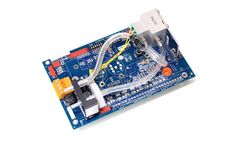
Following consultation, we were able to develop the New 0-100% CO2 Gascard NG which reduces both the response time and quiescent noise. Standard Gascard NG CO2 Gas Sensor The standard Gascard NG offers users a stable NDIR optical sensor that is suitable for continuous, long-term usage because it does not need frequent ...