
Refine by
Neshap Articles & Analysis
62 articles found
BSI's Experts Corner: Home for insights from BSI’s practice directors and industry experts on digital trust, environmental, health, safety, security, and sustainability. March 6, 2024 - As announced on February 7, 2024, the US Environmental Protection Agency (EPA) is lowering the primary annual National Ambient Air Quality Standard (NAAQS) for fine particulates (PM2.5) from 12 to 9 ...
These laws include the New Source Performance Standards (NSPS), State Implementation Plans (SIPs), Resource Conservation and Recovery Act (RCRA), National Emissions Standards for Hazardous Air Pollutants (NESHAP), and more. Inspectors visit refineries to test their systems’ efficacy to ensure proper LDAR programs are upheld throughout their facilities. ...
ProUCL (US EPA) is a software application used to assess air, water, and land pollution, including helping users comply with the United States Environmental Protection Agency's (EPA) Clean Air Act (CAA) and National Emission Standards for Hazardous Air Pollutants (NESHAPs). ProUCL can help design, implement, and monitor pollution control technology projects. ...
Innovative Clean Air Solution Removes Costly Hexavalent Chromium Threats for Global Aerospace Manufacturer From respiratory irritations to lung cancer, hexavalent chromium poses serious health and productivity risks for aerospace and defense manufacturer workers during sanding, painting, and other manufacturing and refurbishing tasks involving aluminum aircraft ...
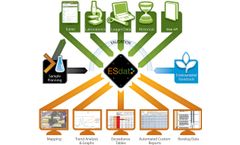
Collecting CPMS Data from Various Sources Data collection and report building specifically designed to meet NESHAPS/MACT compliance can be difficult. In most cases, the Continuous Parametric Monitoring Systems (CPMS) data needed to support MACT rules resides throughout the facility, on several, non-compatible platforms/systems. ...
This clean air technology goes beyond OSHA and NESHAP 319 requirements to cost-effectively mitigate health risks that can negatively impact productivity and potential profits. ...
Modular industrial air filtration can even increase your facility’s floor space to accommodate large workpieces without disrupting your cellular workflow processes. Plus, Duroair filters surpass NESHAP 319 requirements for hexavalent chromium, ensuring both compliance due diligence and effectively protecting your work environment. ...
Based on your distinct manufacturing processes, industry challenges, and unique facility layout, we can engineer such specific modifications as: Retractable enclosures per your specific humidity and clean room specifications System configurations to meet specific NESHAP requirements UV lighting to destroy VOC’s in specific applications Custom filters for specific ...
Aerospace and Aviation indoor air quality challenges include: Containing welding, finishing, coating, and painting processes with precise temperature and humidity control Preventing sparks or fires from combustible aluminum dust Avoiding lead time disruptions from alternating between short-term productions and long-term constructions Maintaining a clean air environment that’s flexible ...

Applications include the Cement NESHAP; Boiler MACT; incinerator CISWI MACT; Hazardous Waste MACT; glass furnaces; ceramics manufacturing, including tracking proppants, kilns, and thermal oxidizer clean-up. ...
These tools are getting a boost with the recently amended US EPA NESHAP rules for emergency backup gensets. The new rules allow condition based oil drain intervals, so asset owners can realize the benefits of oil analysis. ...
Environmental Protection Agency (EPA) National Emission Standards for Hazardous Air Pollutants (NESHAP) rules for emergency backup gensets. The new rules allow condition-based oil drain intervals, so asset owners can realize the benefits of oil analysis. ...
In 2013, the Environmental Protection Agency enacted the National Emission Standards for Hazardous Air Pollutants for Reciprocating Internal Combustion Engines (NESHAP/RICE) to regulate pollutants emitted from stationary diesel engines. ...
Applications include the Cement NESHAP; Boiler MACT; incinerator CISWI MACT; Hazardous Waste MACT; glass furnaces; ceramics manufacturing, including tracking proppants, kilns, and thermal oxidizer clean-up. ...
The regulatory details are described in the National Emission Standards for Hazardous Air Pollutants (NESHAP) and the New Source Performance Standards. Installation The customer had installed a CalorVal BTU Analyzer, by Control Instrument Corporation. ...
” Memoranum to Hazardous Organic NESHAP Residual Risk and Review of Technology Standard Rulemaker docket. ...
In the United States, they need to be in compliance with NESHAP (National Emission Standards for Hazardous Air Pollutants) regulations that dictate a 99% destruction efficiency of EtO (Ethylene Oxide), or concentration levels below one part-per-million by volume. ...
The rule revises both the national emissions standards for hazardous air pollutants (NESHAP) and new source performance standards for the portland cement manufacturing industry at 40 C.F.R. ...
In this edition of ALL4's 4 The Record newsletter, The Reality and Implications of SSM and NESHAPs, Roy R., Eric S., and Mark W. discuss the recent changes to the National Emission Standards for Hazardous Air Pollutants (NESHAP) rule and how that applies to facilities. ...
A multitude of chemical and petroleum processing facilities across the country are now faced with having to meet new National Emission Standards for Miscellaneous Organic Chemical Manufacturing. One specific NESHAP is 40 CFR part 63, subpart FFFF. A facility must be a major source of HAP emissions Process units that: Produce organic chemicals that are not subject to other ...