
Neshap Regulation Articles & Analysis
17 articles found

Our products and services are supported by an expert staff of environmental engineers that have been serving the air regulated community since 1992. Collecting CPMS Data from Various Sources Data collection and report building specifically designed to meet NESHAPS/MACT compliance can be difficult. ...
These tools are getting a boost with the recently amended US EPA NESHAP rules for emergency backup gensets. The new rules allow condition based oil drain intervals, so asset owners can realize the benefits of oil analysis. ...
Environmental Protection Agency (EPA) National Emission Standards for Hazardous Air Pollutants (NESHAP) rules for emergency backup gensets. The new rules allow condition-based oil drain intervals, so asset owners can realize the benefits of oil analysis. ...

In 2013, the Environmental Protection Agency enacted the National Emission Standards for Hazardous Air Pollutants for Reciprocating Internal Combustion Engines (NESHAP/RICE) to regulate pollutants emitted from stationary diesel engines. ...

In the United States, they need to be in compliance with NESHAP (National Emission Standards for Hazardous Air Pollutants) regulations that dictate a 99% destruction efficiency of EtO (Ethylene Oxide), or concentration levels below one part-per-million by volume. ...
In this edition of ALL4's 4 The Record newsletter, The Reality and Implications of SSM and NESHAPs, Roy R., Eric S., and Mark W. discuss the recent changes to the National Emission Standards for Hazardous Air Pollutants (NESHAP) rule and how that applies to facilities. ...
These tools are getting a boost with the recently amended US EPA NESHAP rules for emergency backup gen sets. The new rules allow condition based oil drain intervals, so asset owners can realize the benefits of oil analysis. ...
With a reliable and custom summary of environmental regulations that addresses ONLY THOSE REGULATIONS THAT HAVE THE POTENTIAL TO IMPACT YOU AND YOUR BUSINESS, you can address issues upfront and aggressively, resulting in more time available to run your business effectively and without environmental compliance issues. Tracking Environmental ...

EPA Administrator signed a suite of proposed new air regulations affecting both the Production/Processing and Transmission/Storage sectors of the oil and natural gas industry. ...
Simultaneous to the publication of the final National Emission Standards for Hazardous Air Pollutants for Boilers (the Boiler NESHAP) and the Commercial and Industrial Solid Waste Incinerator (CISWI) Rules, EPA issued a new regulation that for the first time defines what materials are a non-hazardous solid waste when combusted. ...
On February 17, 2010, EPA finalized portions of the National Emission Standards for Hazardous Air Pollutants for Reciprocating Internal Combustion Engines (RICE NESHAP). The rule was promulgated into the existing RICE standards located in 40 CFR Part 63, Subpart ZZZZ on March 3, 2010. ...
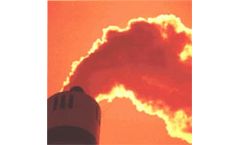
EPA finalized portions of the National Emission Standards for Hazardous Air Pollutants for Reciprocating Internal Combustion Engines (RICE NESHAP). The rule was promulgated into the existing RICE standards located in 40 CFR Part 63, Subpart ZZZZ on March 3, 2010. ...
The National Emission Standards for Hazardous Air Pollutants (NESHAP), codified in 40 Code of Federal Regulations (CFR) Part 63, set emission standards and monitoring, recordkeeping, and reporting requirements for specific source categories that emit HAPs. NESHAP Subpart A, the General Provisions, includes general requirements for ...

On June 6, 2008, the US Court of Appeals for the District of Columbia denied the Natural Resources Defense Council's (NRDC) petition for review of EPA's 2006 national emissions standards for hazardous air pollutants (NESHAP) for the synthetic organic chemical manufacturing industry (SOCMI). Background The NRDC challenged EPA's residual-risk rulemaking and their periodic review ...
Hazardous waste combustion facilities are already familiar with most of the recordkeeping requirements included in 40 CFR 63, Subpart EEE due to previous compliance with the Boiler and Industrial Furnace (BIF) rule. The NESHAP, however, requires semi-annual continuous monitoring system (CMS) performance reporting that was not previously required under BIF. These provisions specify numerous ...
Introduction Under the 1990 Clean Air Act Amendments (CAAA), U.S. EPA is required to regulate sources of hazardous air pollutants (HAPs). Primarily, HAP emissions are regulated through National Emission Standards for Hazardous Air Pollutants (NESHAPs), which are codified under Title 40 Code of Federal Regulations (CFR) Part 63. ...
Introduction Under the 1990 Clean Air Act Amendments (CAAA), the U.S. EPA is required to regulate sources of hazardous air pollutants (HAPs). Primarily, HAP emissions are regulated through National Emission Standards for Hazardous Air Pollutants (NESHAPs), which are codified under Title 40 Code of Federal Regulations ...