
Nitrate Contamination Articles & Analysis
60 articles found

As winter melts into spring, environmental field teams gear up for one of the busiest times of the year: the spring sampling season. With snowmelt runoff, rising groundwater levels, and increased mobility in field conditions, spring is a critical window for collecting representative groundwater samples—especially in regions impacted by agricultural runoff or legacy contamination. A recent ...

Minerals, salts, metals, Calcium, sodium, magnesium, potassium, iron, lead, arsenic, carbonates, bicarbonates, nitrates, sulphates, and chlorides or other contaminants that dissolve in water are examples of these things. ...
ByWaltr

Fertilizers typically contain high concentrations of nitrates, and agricultural, residential and commercial applications of fertilizers are major sources of nitrates in source waters. ...

Background: The (nitrate) link between agriculture and water quality is nutrient abundance - I've always thought the main issue was with fertilizers. ...
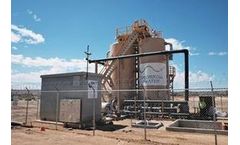
From Contaminated Groundwater to Potable Water Due to the presence of serious contaminants and potentially hazardous material in groundwater, there is an increasing threat to human health. Regions like the West and the Midwest with high concentrations of livestocks has already suffered from groundwater contamination. Facilities that use groundwater as tap water recognized the potential dangers ...
NITRATE CONTAMINATION The Village of Port Williams has long been aware of the challenges and risks associated with nitrate in drinking water. ...

Although the European Union’s effort to curb nitrogen pollution was put into effect 30 years ago, countries are seeking to do more to comply In 1991, the European Union (EU) initiated its Nitrates Directive (ND) to reduce nitrate water pollution from agricultural sources, which is responsible for harmful algal blooms that can decimate aquatic ecosystems, ...
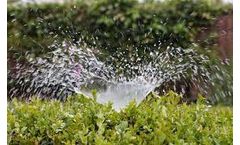
The use of dairy wastewater (WW) for irrigation is subject to concern because of the possible nitrate contamination of domestic water supplies and health hazards from the pathogens in WW. ...
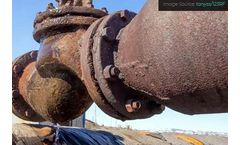
The bill, which now moves to the House, has a special focus on rural and tribal communities At the end of April, with controversy raging over what constitutes core infrastructure, United States senators from both sides of the aisle proved there is no controversy over infrastructure when it comes to wastewater, stormwater, drinking water, and water reuse. In an overwhelming bipartisan vote, the ...

Fresh water can be stored underground in aquifers, but many water sources must be treated before that can happen Growing populations worldwide have become increasingly dependent on groundwater, and human activities are now depleting aquifers - the underground formations where groundwater is stored - faster than natural systems can recharge them. This depletion can damage the environment. As ...

The water authority is particularly focused on reducing contaminant levels in area waterways, as they look to identify greenhouses with high fertilizer and pesticide runoff. ...
Reducing chemical drinking water contamination is, therefore, a significant opportunity for public health protection. Cumulative Cancer Risk The current study is representative of a new current in research that favors an aggregate and cumulative assessment framework for studying multiple contaminants together rather than studying single ...
Negative health outcomes from nitrate in drinking water hit farming communities particularly hard A new Environmental Working Group (EWG) study, published inEnvironmental Research, has estimated that nitrate contamination of drinking water will cause thousands of cancer cases annually in the United States. ...

Reverse osmosis (RO) systems are the workhorse of the drinking water purification market. They are extremely effective in separating water impurities above a certain size (molecules or particles slightly large than a water molecule are filtered or removed). So, does RO eliminate or reduce nitrate? The answer is no. Some RO membranes will remove the nitrate molecule from the incoming water and ...
Our biological machines require a balance of nitrogen (from the nitrate in the water), phosphorus (usually in the water), and carbon. ...
According to new study, the water contamination disproportionately affects poor and Hispanic Americans Runoff of agricultural fertilizer is a major source of nitrate pollution in drinking water. ...
Inorganic Contaminants Inorganic contaminants include minerals like metals, heavy metals, and metalloids, along with nitrogen-oxygen chemicals like nitrites and nitrates. ...
Organic contaminants are carbon-based chemicals, including solvents and pesticides, which are introduced through agricultural runoff or industrial discharge. ...
Around that same time, 2012 APT began to work with Cucamonga Valley Wager District (CVWD) to identify water wells within the CVWD’s service area that had been shut down and out-of-service due to severe nitrate contamination. After highlighting a single well for treatment, APT partnered with the CVWD to install the first Commercial-scale system. CVWD has 12 ...
From above, of course drilling and overpumping to meet demand depletes aquifers, and at the same time, pollution such as nitrates and PFAS chemicals are contaminating groundwater from the surface downward. It is understood that the chance of contamination from human activities is correlated with how long ago the water was deposited in the ...