
Nitrite Oxidizing Articles & Analysis
90 articles found
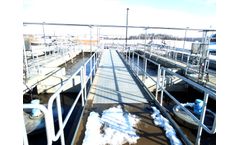
Nitrification is one of the most critical biological processes in wastewater treatment, playing a central role in protecting receiving waters, meeting regulatory requirements, and maintaining overall plant stability. Despite its importance, nitrification is also among the most fragile treatment processes. It is highly sensitive to environmental changes, operational upsets, and toxic events, and ...

Even with challenges, the process stands to reap rewards in terms of energy savings and lower chemical use Nitrogen removal is one of the most energy-intensive and chemically demanding parts of wastewater treatment. As utilities and industries look for ways to meet ever-tighter nutrient limits with smaller carbon footprints, shortcut nitrogen removal has emerged as a compelling option. The ...

Welcome to the first installment of our three-part blog series, where we delve into the relationship between aerobic wastewater treatment and the essential nutrients: carbon, nitrogen, and phosphorus. Many operators and engineers know the textbook ratios – ranging from 100:5:1 to 100:10:1 – and understand that carbon, nitrogen, and phosphorus originate from compounds targeted for ...
Lagoons are some of the oldest and simplest methods of treating wastewater. While new technologies and techniques have been developed over the years, lagoons remain prevalent in many municipalities and industries throughout the world. This may be changing with ammonia, phosphorus, and BOD regulations continuing to become stricter, lagoon technologies may be quickly becoming outdated. Ammonia ...
What are Aerobic Denitrifiers? Aerobic denitrification is the simultaneous use of both oxygen and nitrate (NO3–) as the terminal electron acceptor. A terminal electron acceptor is a compound that gets reduced in the reaction by receiving electrons. Some bacteria are able to denitrify under aerobic conditions (e.g. Paracoccus denitrificans), while conventional denitrifiers can grow under ...
It is conventional knowledge that autotrophic ammonia-oxidizing and nitrite-oxidizing bacteria are more sensitive to toxic compounds than heterotrophic bacteria. ...
Incomplete nitrification can cause excess nitrite buildup and can temporarily limit ammonia oxidation. An abnormal increase in secondary effluent nitrite is commonly referred to as “nitrite ...
This streamlined process, used in Fluence’s Nitro plants, lets you deal with high-load sidestreams efficiently Two common goals for wastewater treatment plants are nitrogen removal and energy neutrality, but in traditional biological treatment processes, the energy requirements for mixing and aeration are high. Carbon and chemicals to control pH levels also are required. The shortcut ...

Biocatalysis involves using natural substances, such as enzymes, from biological sources or entire cells which make chemical reactions more rapid. Enzymes are a critical element in the catalysis of a large number of reactions. This includes the production of alcohol from fermentation and the production of cheese by the breakdown of milk proteins. Many biocatalytic processes have been implemented ...
Summary Nitrifying bacteria make up 4-6% of the population in an activated sludge process and have limited diversity compared to heterotrophic bacteria in wastewater. This makes them more susceptible to toxicity. Nitrifiers have slow growth rates which means their population takes a long time to adapt to changes in environmental conditions. This paper incorporates our lab and field data on ...
When used in processed meat such as hot dogs and beef sticks, it increases the rate at which nitrite reduces to nitric oxide, thus facilitating a faster cure and retaining the pink coloring. ...
Nitrapyrin is a white crystalline solid with a sweet odor and is often mixed with anhydrous ammonia for application.Nitrification is the biological oxidation of ammonia or ammonium to nitrite followed by the oxidation of the nitrite to nitrate. The transformation of ammonia to nitrite is usually the rate limiting ...
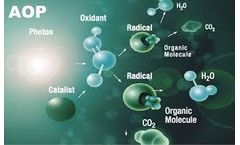
Carbonates/Bicarbonates These compounds are compounds that react with ⦁OH radicals and produce other oxidizing agents, creating a chain of oxidation reactions that reduce the reaction rate and efficiency of the Advanced oxidation process. Nitrite/nitrate Nitrate (NO3-) can be converted to nitrite (NO2-) in the ...
Commonly used bacteria that can use oxidized nitrogen — denitrifiers — include Pseudomonas, Alcaligenes, and Paracoccus. ...
Commonly used bacteria that can use oxidized nitrogen — denitrifiers — include Pseudomonas, Alcaligenes, and Paracoccus. ...

SENTRY technology was deployed as a real-time sensor to control the dosing of free nitrous acid (FNA) in a domestic wastewater treatment stream. The sensor response was evaluated as a solution for optimized dosing of the toxic cleaning agent. Key findings ...

K5, is able to convert ammonium to nitrite, in which hydroxylamine oxidase (HAO) plays a critical role. In the present study, the performance for simultaneous nitrification and denitrification was investigated with batch experiments and an HAO was purified by an anion-exchange and gel-filtration chromatography from strain K5. ...
A pilot sequencing batch reactor (SBR) with AGS achieved an effluent in accordance with national discharge limits, although presented a nitrite accumulation rate of 95.79% with no simultaneous nitrification–denitrification. ...
When applying partial nitritation (PN) to anaerobically pre-treated sewage, ammonium oxidizing bacteria (AOB) and nitrite oxidizing bacteria (NOB) will be exposed to dissolved sulfide and methane. ...
A fluorescence in situ hybridization analysis showed that β-proteobacterial ammonia oxidizing bacteria and the Nitrospira-like nitrite-oxidizing bacteria dominate the bacteria population in the granules, and their strong aggregation capacity might confer some benefits to the formation of these nitrifying granules. ...