
Refine by
Non Methane Hydrocarbons Articles & Analysis
31 articles found
With intertwined and superimposed gas streams, the operating conditions are highly complex, presenting four major treatment difficulties:Complex composition with strong odor The waste gas contains pollutants such as benzene series, sulfides and non-methane total hydrocarbons (NMHC). With the superimposition of VOCs and malodorous substances, ...
Recently, CADAIR successfully completed and commissioned an exhaust gas treatment project for a semiconductor manufacturing enterprise in Tianjin.Designed to treat organic exhaust gases generated during the cleaning process, including n-propyl bromide and acetone, the project adopts a core process combining a Zeolite Concentrator Wheel with a Three-Bed Regenerative Thermal Oxidizer (RTO), ...
Solution Implementation: AI Intelligent Upgrading of Zeolite Rotor + RTO Process In view of the 500,000 m³/h air volume scale of the project, CADAIR adopted a non-intrusive retrofit solution, connecting the industrial brain intelligent hub AI energy-saving equipment to the entire treatment system without modifying the original core control system or affecting normal production. ...
The concentrated VOC stream is then directed to the RCO unit for high-efficiency oxidation treatment.Key benefits of this process include:High VOC removal efficiency Reduced energy consumption Lower equipment investment costs Stable long-term operation Reduced maintenance requirementsThe RCO system achieves VOC removal efficiencies exceeding 99%, ensuring consistent compliance with emission ...
Complex Pollutant Composition Pharmaceutical production involves a wide variety of solvents, intermediates, and auxiliary chemicals.Typical VOCs include:Ethanol Isopropanol (IPA) Acetone Ethyl acetate Butyl acetate DMF Benzene, toluene, and xylene (BTX) Chlorinated hydrocarbons In addition to VOCs, exhaust streams may contain:Pharmaceutical dust Acid or alkaline mist ...
Main VOC Pollutants The exhaust gas mainly contains: Ethyl acetate Isopropanol N-propanol Butyl acetate Acetone Other Non-Methane Hydrocarbons (NMHC) Key Treatment Challenges VOC emissions from China’s printing industry are typically featured with: Large air volume Low pollutant concentration Complex solvent composition Strong irritating odor ...
Below are the mainstream process configurations for typical field scenarios:Emission Characteristics Recommended Process Route Core Equipment Configuration High concentration, with sulfide impurities Pretreatment + Regenerative Thermal Oxidizer (RTO) Alkaline scrubber (removes acidic gases such as hydrogen sulfide) + Three-chamber RTO Medium-to-low concentration, dominated by ...
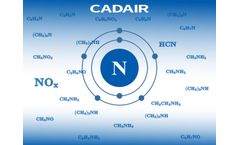
The combined process of "RTO + Quenching Tower + Alkaline Absorption Tower" is adopted to effectively absorb acidic gases and nitrogen oxides generated after combustion, ensuring stable and up-to-standard discharge An oilfield wastewater treatment project: The waste gas contains methane, non-methane total hydrocarbons, and ...
Applicable VOC Types Suitable for organic solvents with boiling points between 40°C–200°C, including: Aromatic Hydrocarbons Benzene Toluene Xylene Ethylbenzene Styrene (requires special design considerations) Esters Ethyl acetate Butyl acetate N-propyl acetate Ketones Acetone MEK (Methyl Ethyl Ketone) MIBK (Methyl Isobutyl Ketone) Cyclohexanone Alcohols ...
Stringent emission standards: Environmental regulations in China continue to tighten. Some regions require non-methane hydrocarbon concentrations below 20 mg/m³, far stricter than national baseline standards. ...
Stricter Emission Standards Many industrial parks and local authorities now require non-methane hydrocarbon (NMHC) emissions below 20 mg/m³, significantly stricter than national standards. 3. ...
Delve into the world of Emission Gas Analyzers, high-tech devices ensuring environmental safety. The goal here is unearthing their features, types, and applications. Also, a guide will be provided to select the most fitting Analyzer for specific ...
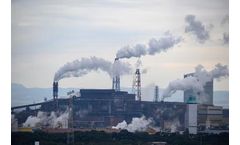
EXPEC-2000 VOC monitoring system is a powerful and accurate device based on the principle of gas chromatography technology, which enables the system to monitor VOC components like methane or non-methane hydrocarbons and benzene. And here are the advantages of our monitoring system: Low detection limit The detection limit is ...
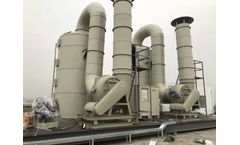
Main components: The waste gas in the semiconductor industry is mainly divided into two types: organic waste gas and acid-base waste gas. Organics include: non-methane total hydrocarbons, nitrogen oxides, sulfur dioxide, etc.; acids and bases include ammonia, sulfuric acid mist, fluoride, chloride, chlorine, etc. ...
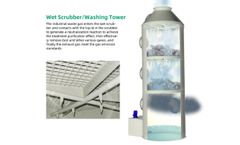
The activated carbon filling amount must ensure that the removal rate of main organic emissions (non-methane total hydrocarbons, anilines) is greater than 90%, and the wind resistance of the equipment is not greater than 400Pa. ...
The photo shows Cambrian operator Evert Jacobson uses the Nutech 3000 to measure non-methane hydrocarbons at the Cambrian wastewater recycling facility operating to manage Anchor Brewing waste streams in San Francisco, CA. ...
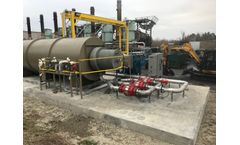
Synopsis A large Recycling Facility in North Carolina wanted to consolidate its waste streams of nine (9) Phase Separation System reactors into one (1) thermal oxidizer for hydrocarbon abatement. Initial Operating Issue The ensuing abatement system needed to operate in a fully automated manner while providing a 99% (or greater) total hydrocarbon and ...
For instance, Peak’s Genius XE nitrogen generator includes a two-stage removal process to eliminate moisture, and a proprietary non-methane hydrocarbon (NMHC) filtration stage to remove long-chain hydrocarbons found in air. ...

Landfills usually release higher quantities of greenhouse gases, nitrogen oxides, dioxin, hydrocarbons, and non-methane organic compounds, as well as generate leachate. ...
ByTECAM
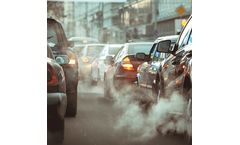
When vehicle emissions first came in focus, most efforts were spent on improving fuel economy, thereby reducing CO2 emissions as well as reducing the levels of carbon monoxide (CO), nitrogen oxides (NOX), and unburnt hydrocarbons (HC), the latter sometimes expressed as total hydrocarbons (THC) or non-methane ...
ByOPSIS AB