
Non Selective Catalytic Reduction Articles & Analysis
17 articles found
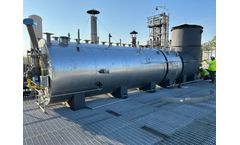
The Challenge Many industrial furnaces operate in oxygen depleted conditions, emitting high levels of ammonia, NOx, and other nitrogen-bearing compounds. This presents a significant challenge for manufacturers striving to meet air quality regulations and limit carbon output. Emission streams that contain nitrogen bearing hazardous air pollutants (HAPs) cannot be thermally treated in a ...
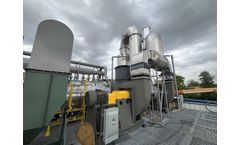
OverviewThis case study details the challenges faced by industrial facilities in treating nitrogen-bearing hazardous air pollutants (HAPs) from oxygen-depleted furnaces, highlighting the limitations and high operational costs associated with traditional Selective Catalytic Reduction (SCR) systems for NOx reduction. To overcome ...
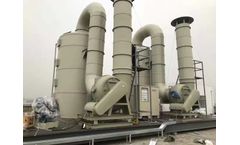
Common desulfurization methods include wet flue gas desulfurization (WFGD) using limestone or lime slurry, dry sorbent injection, or using renewable processes such as activated carbon. Nitrogen oxide removal (NOx reduction): Nitrogen oxides (NOx) are another group of harmful pollutants found in smoke. Selective catalytic ...
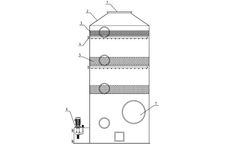
The resulting products are often called "scrubber slurry" and can be further processed. Nitrogen Oxides (NOx) Reduction: Nitrogen oxides are a group of pollutants that contribute to smog and respiratory issues. Selective catalytic reduction (SCR) and selective non-catalytic ...

Environmental sustainability is the only viable path for the future of the industry. The only possible answer is to implement technologies that combine maximum efficiency in eliminating emissions and waste with the highest efficiency in its implementation and use, in order to avoid damaging the productivity of your industrial processes. With regards to air pollution treatment, there are ...
ByTECAM
The problem of NOx emissions The problem with Nitrogen compounds (NOx) emissions is that they contribute to generating the greenhouse effect. For example, N2O causes 300 times more damage than CO2. In addition, NOx combines with the humidity of the air in the atmosphere and is the cause of acid rain and is therefore very dangerous for the environment. ...
ByTECAM

The effective reduction of NOx emissions in combustion processes is a key objective for meeting environmental legislation. ...

Many of our most effective core technologies for pollution control have set standards and stood the test of time: wet and dry scrubbers, catalytic converters, cyclone and venturi separation chambers, electrostatic particle collectors. ...
While conducting research on NOx control systems and technologies, here are 6 tips to keep in mind for reducing NOx emissions: Choose your NOx reduction technology based on the fuels and equipment design. This will allow you to select the lowest cost method for each unit. ...
Emissions of the other main air pollutants have also dropped considerably since 1990, including emissions of the three air pollutants primarily responsible for the formation of ground-level O3: CO (66% reduction), NMVOCs (59% reduction) and NOX (54% reduction). For these main pollutants, the rate at which emissions are decreasing has slowed over ...
Stringent mercury regulations have resulted in the following choices: Activated carbon injection ahead of the existing precipitator Activated carbon injection ahead of a new fabric filter Non-carbon sorbents Halogen addition to the fuel and capture of oxidized mercury in the scrubber SCR catalyst with higher conversion rate of elemental mercury to the oxidized form Post ...

Aqueous ammonia is injected into the combustion chamber to remove nitrogen oxides (NOx) partially formed from the N2O decomposition by an SNCR (Selective Non-Catalytic Reduction). Conclusion: Nitrous oxide is a powerful greenhouse gas with a global warming potential of 310 (1 ton of N2O is equivalent to 310 tons of CO2). ...

Even minor upgrades (including projects affecting non-emissions generating equipment like steam turbines, heat transfer elements, cooling water systems, etc.) can encounter PSD permitting challenges. ...

This paper presents the results of computational kinetic modelling of the removal of nitrogen oxides (NOx) from flue gases by selective non-catalytic reduction (SNCR) process using urea as a reducing agent. ...

NOx Abatement is a Non-Selective Catalytic Reduction (NSCR) technology that has a long and proven track record for controlling NOx emissions from nitric acid manufacturing plants. It can be used to alter the NO to NO2 balance (decolourization) or to eliminate NOx through catalytic reaction with a fuel as a ...
Requirements for reduced NOx emissions have required that emissions reduction technologies move beyond combustion controls alone. Post combustion NOx control technologies that are being applied to coalfired utility boilers include selective non catalytic reduction (SNCR), selective ...
The research is driven by continuing pressure for further reductions in NO2 emissions from coal-fired utility boilers to address ground-level ozone and other environmental considerations including ambient fine particulates, visibility, eutrophication, and climate change. ...