
Refine by
Nutrient Load Articles & Analysis: Older
146 articles found

Introduction When operators and lake managers type “what dissolves algae” into a search bar, they are really asking how to protect water quality. Green surface scums and dense blooms reduce recreation, clog treatment plants, and sometimes release toxins that threaten people and animals. It is not only an aesthetics problem. It is a public health and operations challenge, especially ...

This 6-foot deep pond showed signs of excessive nutrient loading from lawn fertilizer run-off and the water was becoming turbid. ...
Location: South Seas Resort, Captiva Island, FL Background: South Seas is a family resort and wildlife sanctuary that promotes adventure and relaxation. All amenities are designed to take full advantage of the beauty of the existing ...
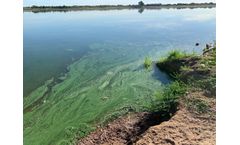
Excessive algae growth can transform a beautiful lake into an unsightly, potentially dangerous water body that threatens aquatic life and creates other problems such as fish kills and swimmers itch. This makes swimming, fishing, and recreational activities unpleasant or impossible. Similarly, water temperature is among one of the major driving factors for algae growth. Whether you’re ...

What They Mean for Lagoon-Based Wastewater Treatment Across North America, regulatory agencies are tightening the screws on phosphorus discharge limits. Once considered a moderate concern, phosphorus is now a central compliance focus due to its role in promoting eutrophication and harmful algal blooms. For wastewater lagoon operators—particularly in rural and small-town systems—this ...

Fresh water is reaching a breaking point. The question that is being asked by cities, farms, and others is similar: how can we maintain clean, dependable, and affordable? The core process of the solution is water technology, a viable combination of environmental science and technology. Small sensors, stronger filters, and chemical-free methods now give managers live information and real options. ...

Advanced technologies help in the removal and recovery of nitrogen and phosphorus Meat-processing facilities generate wastewater that contains high concentrations of nitrogen and phosphorus. These nutrients are by-products of organic matter, like proteins and amino acids. While essential for biological functions, when discharged in excess, they pose serious environmental risks by triggering ...
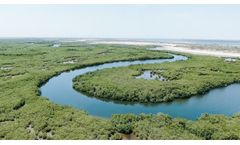
As aquatic ecosystems face mounting pressure from nutrient pollution and climate change, harmful algal blooms (HABs) continue to threaten biodiversity. Similarly, public health, and water security are also in danger. In a recent LG Sonic webinar, experts explored how water quality monitoring technologies can strengthen nature-based solutions to reduce algal blooms in different ...

Improvements in biological treatment ensure robust removal of nutrients from wastewater to meet even the strictest effluent standards Around the world, nutrient removal standards have become stricter in recent years, and it’s no mystery why. Despite a global focus on per- and polyfluoroalkyl substances (PFAS) and other emerging contaminants in wastewater, nutrient pollution may still be ...

Summary Low dissolved oxygen (DO) is indicated by high plant abundance, slow-moving water, and the presence of organic waste. Excess nutrients and warm, stagnant water cause harmful algal blooms (HABs), leading to oxygen depletion in lakes. Oxygen depletion can trigger mass fish deaths and disrupt aquatic ecosystems, with ecological and economic consequences. AI and real-time monitoring can ...
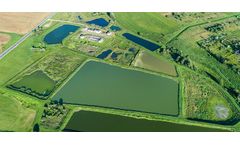
While lagoon wastewater treatment makes sense for rural areas, its effluent may have trouble meeting discharge standards The U.S. relies heavily on lagoon wastewater treatment, with more than 4,500 systems, but widespread non-compliance with nutrient discharge permits is a persistent issue. Systems may require add-on technologies to deal with inadequate removal of substances ...
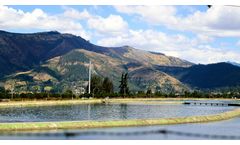
What is the Biggest Cause of Algal Blooms Today? Climate change and nutrient loading from agricultural run-off and urbanization led by human activities are anticipated to intensify the frequency and severity of harmful algal blooms. With warmer temperatures and increased nutrient availability, utilities should prepare for more frequent and ...
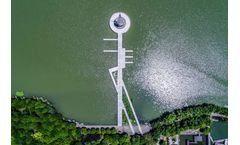
However, many lakes develop water quality problems, such as symptoms developed from nutrient loads, algae blooms, and poor circulation that fail to fill their health. ...

Water pollution levels are rapidly rising, bringing with them a severe risk of serious health complications for billions of people. Globally, more than 3 billion individuals—nearly 40% of the world’s population—face the risk of disease due to water pollution and a lack of data on the quality of their rivers, reservoirs, and other surface water sources. It’s a problem that, ...
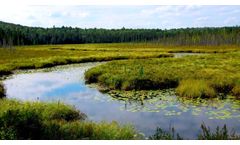
Summary As water quality challenges grow, traditional chemical methods often fall short. Experts are now embracing Nature-Based Solutions (NBS), which leverage natural processes for sustainable water management. Paired with innovations like LG Sonic’s chemical-free ultrasound for harmful algal blooms, NBS provide an integrated approach that fosters healthier aquatic ecosystems. As our ...
Treatment offers environmental and economic benefits Digestate, a byproduct of wastewater treatment, plays a pivotal role in nutrient management and waste disposal. Technologies are available for treating digestate to maximize both environmental and economic ...
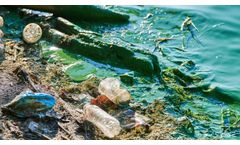
Hurricanes are some of nature’s most powerful and unpredictable phenomena, known for their intense winds and heavy rainfall. When these destructive storms strike, they unleash massive amounts of water, flooding freshwater systems and causing widespread ...

The federal agency presents multiple options to enhance limits on nutrient discharges into waterways Meat and poultry products (MPP) processing facilities significantly contribute to nitrogen and phosphorus pollution in fresh water. Nutrient loading can be extremely detrimental to aquatic ecosystems, contributing to eutrophication and algal ...

While algae are not necessarily a villain, their uncontrolled growth, fueled by anthropogenic nutrient loading, is destroying the ecological balance in 100,000 lakes and vast swathes of anoxic marine habitats globally. ...
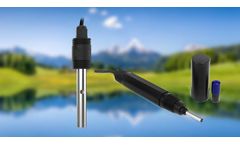
These parameters include temperature, pH, dissolved oxygen, turbidity, nutrient levels, and contaminants. These sensors can be deployed in various aquatic environments, ranging from freshwater streams to deep sea habitats. ...