
Refine by
Nutrient Load Articles & Analysis
156 articles found
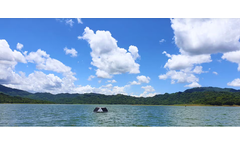
The main categories are: 1) Watershed and catchment management Nutrient loading from agricultural runoff, urban stormwater, and failing septic systems drives eutrophication and cyanobacterial growth. ...
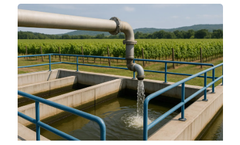
Biological nutrient removal systems, membrane bioreactors (MBR), and anaerobic digestion can be combined to stabilize wastewater, reduce nitrogen and phosphorus loading, and generate usable by-products. In practice, this can translate to generating biogas for energy, reclaiming treated water for reuse, or capturing nutrient-rich streams for ...
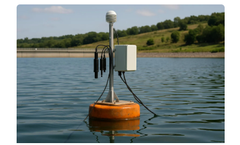
Phosphate monitoring solutions offer early warning of nutrient loading that grab sampling would miss until densities spike. Data flows to a central dashboard where operators track trends, set automated alerts, and compare current conditions against historical baselines. ...
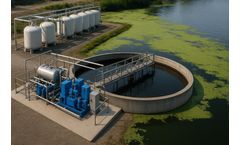
Stricter discharge permits are being enforced, and some jurisdictions impose surcharges for high nutrient loads on publicly owned treatment works or direct industrial discharges.Where Traditional Treatment Approaches Fall ShortMany facilities rely on conventional aerobic treatment, lagoon systems, or activated sludge. ...
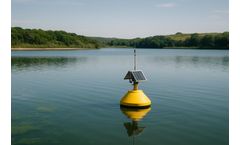
From Crisis to Confirmation Chilmark Pond has been a site of nutrient loading since the 1980s; by 2014 nitrogen levels were at regulatory limits. ...

Water temperature accelerates microbial growth in warm water Nutrient loading fuels biofilm and algae growth Water hardness adds mineral scale on top of biofilm Sunlight and depth in the photic zone promote faster colonization The operational reality: why unattended deployment demands it Most reservoirs deployed with MPC-Buoy cannot be manually cleaned. ...
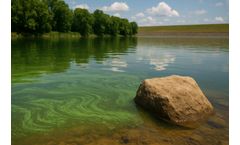
Warm months; reservoir turnover; periods of elevated nutrient loading from runoff; reservoirs tend to show predictable seasonal patterns.Why is taste and odor difficult to remove during water treatment? ...
Introduction When a lake or reservoir turns bright green, the issue is rarely “just algae.” Blooms can signal a shift in water quality that affects aquatic life, recreation, and the reliability of a community’s water supply. This guide explains the basics of freshwater blooms and the practical steps used to stop water contamination before impacts reach drinking ...

Introduction When people talk about water quality, they often focus on clarity or colour, but lake nutrients quietly shape almost everything that happens below the surface. A modest increase in nutrient loading can be the difference between a clear, oxygen-rich reservoir and one that drifts into chronic eutrophication with recurring algal ...
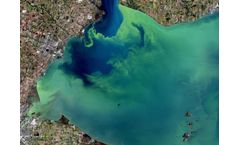
Introduction Across drinking water reservoirs and managed lakes, operators keep coming back to the same question: what is the best practice to prevent algae growth while still protecting ecosystems, budgets and public trust? Blooms can seem to appear almost overnight, turning clear water into green streaks or scums, releasing toxins, and in the worst cases forcing closure of raw-water intakes or ...

Introduction When operators and lake managers type “what dissolves algae” into a search bar, they are really asking how to protect water quality. Green surface scums and dense blooms reduce recreation, clog treatment plants, and sometimes release toxins that threaten people and animals. It is not only an aesthetics problem. It is a public health and operations challenge, especially ...
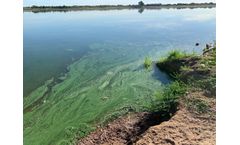
Excessive algae growth can transform a beautiful lake into an unsightly, potentially dangerous water body that threatens aquatic life and creates other problems such as fish kills and swimmers itch. This makes swimming, fishing, and recreational activities unpleasant or impossible. Similarly, water temperature is among one of the major driving factors for algae growth. Whether you’re ...

This 6-foot deep pond showed signs of excessive nutrient loading from lawn fertilizer run-off and the water was becoming turbid. ...
Location: South Seas Resort, Captiva Island, FL Background: South Seas is a family resort and wildlife sanctuary that promotes adventure and relaxation. All amenities are designed to take full advantage of the beauty of the existing ...

What They Mean for Lagoon-Based Wastewater Treatment Across North America, regulatory agencies are tightening the screws on phosphorus discharge limits. Once considered a moderate concern, phosphorus is now a central compliance focus due to its role in promoting eutrophication and harmful algal blooms. For wastewater lagoon operators—particularly in rural and small-town systems—this ...

Fresh water is reaching a breaking point. The question that is being asked by cities, farms, and others is similar: how can we maintain clean, dependable, and affordable? The core process of the solution is water technology, a viable combination of environmental science and technology. Small sensors, stronger filters, and chemical-free methods now give managers live information and real options. ...

Advanced technologies help in the removal and recovery of nitrogen and phosphorus Meat-processing facilities generate wastewater that contains high concentrations of nitrogen and phosphorus. These nutrients are by-products of organic matter, like proteins and amino acids. While essential for biological functions, when discharged in excess, they pose serious environmental risks by triggering ...
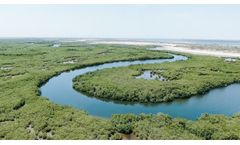
As aquatic ecosystems face mounting pressure from nutrient pollution and climate change, harmful algal blooms (HABs) continue to threaten biodiversity. Similarly, public health, and water security are also in danger. In a recent LG Sonic webinar, experts explored how water quality monitoring technologies can strengthen nature-based solutions to reduce algal blooms in different ...

Improvements in biological treatment ensure robust removal of nutrients from wastewater to meet even the strictest effluent standards Around the world, nutrient removal standards have become stricter in recent years, and it’s no mystery why. Despite a global focus on per- and polyfluoroalkyl substances (PFAS) and other emerging contaminants in wastewater, nutrient pollution may still be ...

Summary Low dissolved oxygen (DO) is indicated by high plant abundance, slow-moving water, and the presence of organic waste. Excess nutrients and warm, stagnant water cause harmful algal blooms (HABs), leading to oxygen depletion in lakes. Oxygen depletion can trigger mass fish deaths and disrupt aquatic ecosystems, with ecological and economic consequences. AI and real-time monitoring can ...