
Refine by
Nutrient Pollution Articles & Analysis
171 articles found

Introduction A bloom doesn’t always arrive with a neat, predictable timeline. One week the water looks normal, the next you get green streaks along the downwind shore, then the surface turns into a patchwork. If that shift continues on to become large scale algal blooms, it’s no longer just a cosmetic issue, it’s an operational issue that requires careful management. For ...

Introduction When a lake or reservoir turns bright green, the issue is rarely “just algae.” Blooms can signal a shift in water quality that affects aquatic life, recreation, and the reliability of a community’s water supply. This guide explains the basics of freshwater blooms and the practical steps used to stop water contamination before impacts reach drinking ...

Introduction When people talk about water quality, they often focus on clarity or colour, but lake nutrients quietly shape almost everything that happens below the surface. A modest increase in nutrient loading can be the difference between a clear, oxygen-rich reservoir and one that drifts into chronic eutrophication with recurring algal blooms. For drinking water managers, understanding lake ...

Although water underpins every aspect of life in the 21st century, it remains one of the least discussed aspects of the climate crisis, even now. And when the topic is discussed, much of the focus is placed on water quantity… but it’s just as important to put water quality centre stage, as well. In the UK, the issue of water quality has been increasingly coming to the fore over the ...

Affordable wastewater solutions help small towns with compliance challenges Iowa’s small towns face new wastewater nutrient limits that could overwhelm local budgets if addressed with traditional plant upgrades. Stricter nitrogen and phosphorus standards mean communities must modernize treatment systems or risk fines, stalled development, and tighter regulatory scrutiny. Fortunately, ...

Every year, contaminated water kills more people than all forms of violence combined, including war. As we enter 2025, the global water crisis has reached extreme levels. Waterbodies around the globe are choking under toxic waste, industrial discharges, and untreated sewage. Have you ever wondered about the world’s most polluted river? River pollution represents one of the most pressing ...

Blue-green algae, also known as cyanobacteria, have become an increasing concern for Lough Neagh. UK’s largest freshwater lake, covering nearly 400 square kilometers and supplying 40% of Northern Ireland’s drinking water. This vast ecosystem is vital for communities, fisheries, recreation, and biodiversity. Yet, over the past several years, harmful algal blooms have repeatedly covered ...
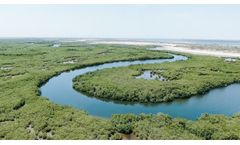
As aquatic ecosystems face mounting pressure from nutrient pollution and climate change, harmful algal blooms (HABs) continue to threaten biodiversity. ...
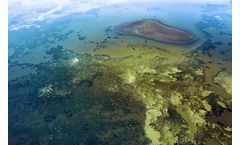
Summary Algae are a natural and important part of any lake ecosystem; Stagnant water, high temperatures, and excessive nutrients stimulate blue-green algae growth; Environmental changes, such as shifts in temperature or nutrient levels, can influence the likelihood of an algal bloom; Controlling algae blooms has become a pressing global challenge; Current treatment options include ultrasound, ...

A smarter way to meet tightening nutrient discharge limits As nitrogen regulations tighten, lagoon-based wastewater systems face increasing pressure to perform. From Mexico’s new discharge standards to Iowa’s nutrient reduction strategy, utilities are being pressed to curb nitrogen pollution to meet increasingly stringent regulatory ...
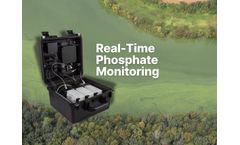
Looking to elevate your water quality monitoring? Algae growth disrupting your water processes? Dive into this article to learn about advanced strategies and innovative solutions that can transform your monitoring efforts. We cover real-time phosphate tracking, autonomous systems, and eco-friendly technologies to improve water ...

Summary Ultrasound technology is revolutionary in controlling algae blooms and maintaining water quality without chemicals. Smart technologies, including advanced sensors and cloud-connected platforms, are essential for real-time monitoring of water quality, enabling proactive lake management. Climate change significantly impacts freshwater lakes, causing declining oxygen levels and ...

Improvements in biological treatment ensure robust removal of nutrients from wastewater to meet even the strictest effluent standards Around the world, nutrient removal standards have become stricter in recent years, and it’s no mystery why. Despite a global focus on per- and polyfluoroalkyl substances (PFAS) and other emerging contaminants in wastewater, ...

Summary Low dissolved oxygen (DO) is indicated by high plant abundance, slow-moving water, and the presence of organic waste. Excess nutrients and warm, stagnant water cause harmful algal blooms (HABs), leading to oxygen depletion in lakes. ...

Summary Algae growth negatively impacts power generation efficiency by obstructing water flow, increasing maintenance costs, and causing potential revenue losses due to downtime. Real-time monitoring combined with non-chemical prevention strategies enhances algae management, ensuring efficient power generation and promoting the ecological health of aquatic ecosystems. Algae can significantly ...

Water quality around the UK is a topic under much discussion these days, with supplies at risk from a range of different pollution sources, including agriculture, urban environments, storm overflows, wastewater, sewage treatment works, transport runoff and so on. In the north-east of England, water supplies are delivered by Northumbrian Water, with the company’s overall performance rated ...

Water is the lifeline of agriculture. Its quality plays a pivotal role in crop health, yield, and overall farm productivity. However, one of the most persistent threats to agricultural water sources is algal blooms. These can severely degrade water quality. Hence, achieving algae-free waterbodies is a necessity. Harmful algal blooms (HABs) occur when algae colonies grow uncontrollably in fresh ...

Example: • In 2023, the EPA required 400+ manufacturing facilities to install pollution control equipment, preventing 73 million pounds of pollutants from being released. ...

What is the Biggest Cause of Algal Blooms Today? Climate change and nutrient loading from agricultural run-off and urbanization led by human activities are anticipated to intensify the frequency and severity of harmful algal blooms. With warmer temperatures and increased nutrient availability, utilities should prepare for more frequent and widespread occurrences ...

Algae blooms are often fueled by nutrient pollution and climate change. They threaten not just water quality but also the economic and recreational value of lakes. ...