
Refine by
Nutrient Uptake Articles & Analysis
110 articles found

Industrialization and unsustainable farming practices have led to widespread soil degradation, including nutrient depletion, acidification, and reduced water retention. Biochar’s porous structure acts like a “molecular sponge,” increasing soil aeration, retaining moisture, and preventing nutrient leaching. It also provides a habitat for beneficial soil ...

What They Mean for Lagoon-Based Wastewater Treatment Across North America, regulatory agencies are tightening the screws on phosphorus discharge limits. Once considered a moderate concern, phosphorus is now a central compliance focus due to its role in promoting eutrophication and harmful algal blooms. For wastewater lagoon operators—particularly in rural and small-town systems—this ...
This is the second blog in our three-part series on essential nutrients for activated sludge. Specifically, these blogs aim to deepen knowledge on why carbon, nitrogen, and phosphorus are essential nutrients, and why the 100:5:1 C:N:P ratio exists. In the last blog we discussed nitrogen, how bacteria use it, how it’s removed from the system, and why it is vital for biological treatment. ...

In today’s highly regulated industries like food and beverage storage and agriculture, maintaining optimal humidity control is critical to ensuring product quality, extending shelf life, and maximizing operational efficiency. The Industrial Applications of Membrane Humidifier – Food and Beverage Storage, Agriculture and Vertical Farming Industry rely heavily on precise humidification ...

In today’s fast-paced world of greenhouse cultivation, the relevance of a dependable water system to this sector cannot be understated. Regarding plant life, there is a critical need for water. In a controlled greenhouse environment, an appropriate water system can spell all the difference between harvest glory and disappointing harvests. With the puroxi water treatment from puroxi TM Pure ...

They can be used to enhance plant growth and yield, improve plant stress tolerance, induce the differentiation of flower buds, and increase the root mass and nutrient uptake. Cytokinin is also used in plant tissue culture for the in vitro regeneration of plants from cultured explants, induction of cell division, plantlet formation, and micropropagation. ...
Its porous structure creates a habitat for beneficial soil microorganisms, contributing to soil health and fertility. Nutrient Retention: Biochar has a high cation exchange capacity (CEC), enabling it to retain nutrients such as nitrogen, phosphorus, and potassium in the soil. This enhances nutrient availability to plants, reduces leaching, and ...

Improved Crop Health and Yields: By providing crops with the right amount of water at the right time, smart irrigation promotes optimal plant growth, development, and nutrient uptake. This results in improved crop health, higher yields, and better product quality. ...
ByJXCT

Avoid excess crop nutrients in your fertilizer strategy to maintain soil health and protect your pocketbook The push to produce higher yields per acre every year continues to weigh heavily on western Canadian farmers. That pressure is accompanied by economic and environmental concerns. Should you invest more money into crop nutrients to reach record yields? Will that investment pay off? Will ...
Identify and correct crop nutrient deficiencies in your soil to increase yield and profit Achieving prosperity in Canadian agriculture is a balancing act. While new technologies increasingly grow your potential to overcome limiting factors and boost yields, oftentimes revisiting the basics will further support your efforts to reach an optimum balance in soil ...
They can be used to enhance plant growth and yield, improve plant stress tolerance, induce the differentiation of flower buds, and increase the root mass and nutrient uptake. Cytokinin is also used in plant tissue culture for the in vitro regeneration of plants from cultured explants, induction of cell division, plantlet formation, and micropropagation. ...

High EC, for instance, might signal excessive salinity, hindering nutrient uptake and plant growth. Conversely, low EC can indicate nutrient deficiency, impacting yield and quality. ...
Though it is the foundation of life, soil constitutes only a thin layer of material on the surface of our planet. It provides the necessary weathered minerals, organic materials, air, and water, which are the most precious resources for all living creatures. Plants find life in soil, as it provides a rooting medium and nutrient source for plants to grow. Through healthy plants, ...

Are you ready to take your cultivation skills to the next level? Well, get ready because we’re about to dive into the fascinating world of vapour pressure calculation! In this detailed guide, we’ll share the knowledge you need to understand and master the art of calculating vapour pressure. Now, you might be wondering, “What’s the big deal with vapour pressure?” ...
Hey there, fellow cannabis cultivator! If you’re delving into the fascinating world of cannabis cultivation, you probably already know how crucial nutrients are for your plants. One nutrient that holds immense significance in this green journey is magnesium. However, there’s a chilly conundrum we need to address: the inability of cannabis plants to absorb magnesium at low ...
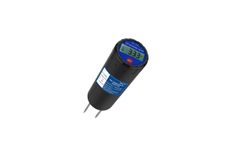
Low soil EC values indicate low salt and nutrient levels, while high values indicate high salt and nutrient concentrations. ...
Are you ready to dive into the fascinating world of vapour pressure formula? If you’re looking to take your cannabis cultivation skills to the next level, understanding vapour pressure is an absolute game-changer. Picture this: a lush green canopy of cannabis plants thriving under your care, with buds bursting with potency and flavour. Sounds like a dream, right? Well, mastering vapour ...

Salinity affects plant growth and nutrient uptake, and excessive salt accumulation in the root zone can lead to reduced crop yield. ...

During colder times of the year, the plants have already slowed down their uptake of nutrients to nearly nothing, which means it won’t take up enough of the chemical to do it any harm. ...
“Managing soil health allows us to replenish our soil nutrients and be more accurate in the way in which we do it,” he says. ...