
Ocean Data Acquisition Articles & Analysis
6 articles found

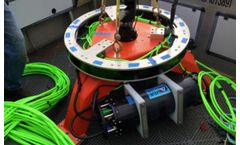
As is well documented, hurricanes are getting stronger. The likelihood that a hurricane will be Category 3 or higher is increasing by about 8% per decade. These storms carry sustained winds of at least 110mph, which can cause billions of dollars of damage. To brace ourselves for stronger storms, engineers are developing increasingly durable devices for monitoring extreme ocean conditions. ...

Department of Energy Water Power Technologies Office to prep the device for its first open ocean trial. “NREL has a critical role in this project,” said Reenst Lesemann, C-Power’s chief executive officer. ...
It’s hard to overstate the importance of our oceans. They cover nearly three-quarters of the globe, represent a major food source, and regulate our climate. By 2030, the Organization for Economic Cooperation and Development estimates ocean-based industries will generate $3 trillion of economic activity. But in a world where data has become critical to manage every challenge and ...

Project Details PRODUCT(S): miniDOT Logger APPLICATION: Salt Water PARAMETER: Dissolved Oxygen, Temperature LOCATION: Bodega Bay, California ORGANIZATION: White Abalone Restoration Consortium RECOGNITION: Katie Sowul, UC Davis Case Study Description Researchers from the University of California, Davis (UCD), the National Oceanographic and Atmospheric Administration, the California ...

A Data Xplorer USV was sent on a115-hour mission to collect meteorological and oceanic data. Additionally, the vessel conducted several grid bathymetric surveys during the course of the mission. Data Xplorer conducted a five-day continuous voyage throughout the Southern Gulf Islands. The USV was tasked with the dual mission of continuously collecting meteorological data and conducting several ...

Sarah Grimes explores why we need good ocean monitoring, how to get it, and why it still fails Small Island Developing States. Oceans are a critically important component of the Earth system, supporting ecosystem and human health. They regulate the weather and climate; are essential for producing freshwater; and soak up carbon. They also provide food and other resources, trade and migration ...