
Refine by
Ocean Ecosystem Articles & Analysis
41 articles found

By converting plastic waste into reusable energy resources, continuous plastic pyrolysis helps prevent plastics from being landfilled, incinerated, or leaking into oceans and ecosystems. Additionally, modern pyrolysis systems are designed with emission control technologies that reduce pollutants such as dust, sulfur compounds, and volatile organic compounds. ...
A staggering 79% ends up in landfills, oceans, or natural environments, polluting ecosystems and threatening sustainable development. ...

Water oil separators ensure ships can operate legally while protecting oceans, harbors, and coastal ecosystems. Power Generation Facilities Power plants—whether fossil fuel, nuclear, or renewable—often use large amounts of lubricated equipment. ...

The global ocean plastic pollution crisis has reached a critical point. Every year, millions of tons of plastic waste end up in the oceans, threatening marine life, disrupting ecosystems, and creating long-term environmental consequences. ...
With millions of tons of plastic waste generated annually, a substantial portion of it ends up in landfills, incinerators, or oceans, causing pollution and harm to ecosystems. Meanwhile, the world’s reliance on traditional fossil fuels for energy continues to exacerbate concerns about energy security, environmental sustainability, and climate change.The potential ...
With growing awareness of plastic pollution and its detrimental effects on ecosystems, there is a pressing need for sustainable alternatives that minimize environmental harm. ...

Features of Bioenergy Advantages a renewable form of energy which is an excellent alternatives to fossil fuels a reliable resource that can produce energy at any time without issue of limited availability taking waste that would otherwise sit in a landfill and making it useful a carbon-neutral energy source Disadvantages sacrificing natural areas to managed monoculture. contaminating waterways ...
This comprehensive guide navigates through the intricacies of plastic to oil pyrolysis, its environmental impact, and its potential to reshape the landscape of waste management.Understanding Plastic PollutionPlastic pollution has reached alarming levels, with vast quantities of plastic waste inundating landfills, oceans, and ecosystems worldwide. Traditional ...

THE PROBLEM The large-scale restoration of ecosystems is becoming urgent: the window of opportunity is quickly closing.Waterway ecosystems around the world are essential habitats for human and animal life, as well as for biodiversity in general. However, these ecosystems are currently experiencing the effects of multiple threats.Although plastic ...

The plastic often ends up in the ocean, breaks into smaller pieces, and lodges into our seafood; especially shellfish. This doesn’t just have a lasting effect on us and our food, but an entire ocean ecosystem that is being polluted. Microplastics are a Contaminant of Emerging Concern (CECs), which also includes PFAS or per- and ...

A new map helps us visualize how sewage enters coastal ecosystems Most studies of how we impact coastal ecosystems have focused on agricultural runoff, trash, and oil spills in the ocean. However, human wastewater discharges routinely flow into coastal ecosystems too, potentially causing public health, economic, and ecological ...
On the other hand, a lot less plastic and trash goes into the water bodies and oceans, thus helping the existing ecosystem recover from the negative consequences of the already polluted atmosphere. ...

Located in Norway, SINTEF Ocean conducts research and innovation related to ocean space for national and international industries. ...

As needs grow and traditional sand pits are drying out, extraction locations are shifting to rivers, coastlines and oceans, which is impacting those ecosystems. One solution in Europe has been a move to using recycled concrete. ...
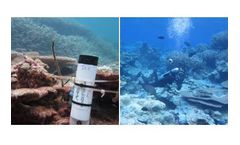
Taking the Pulse of the Ocean Temperature and pH measurements can yield important information about how the physical environment of the ocean responds to warming and increasing levels of carbon dioxide in the atmosphere as well as global weather patterns. Different ecosystems within the ocean respond differently to these ...

Using the Ecombox to monitor and measure the atmospheric concentrations of greenhouse gases ICOS – Integrated Carbon Observation System (http://www.icos-infrastructure.eu) is a European research infrastructure for measuring atmospheric concentrations of greenhouses gases and flows on ecosystems and oceans. As contributors to this program, the ...

North Pacific Warm SSTs One of the most striking and persistent climate anomalies of recent years has been the widespread unusual warmth that has affected the North Pacific Ocean. Beginning in summer 2013, sea surface temperatures (SSTs) became much warmer than normal between Alaska and Hawaii, and as the warm anomaly persisted and intensified over the next two years, it gained ...
Most of the tyres that happen to be disposed of become thrown into rivers and streams that flow to the ocean. This has created an island of floating tyre in the midst of the Pacific ocean that is certainly now bigger than the nation of Australia. The tyre eventually gets worn down with the wave action and is transformed into micro-particles which may have now ...

EU Commission Vice-President Frans Timmermanns warns that in 2050 there could be more plastic particles than fish in the world’s oceans, pointing to the catastrophic consequences for the ecosystem if action is not finally taken. ...

To deepen our understanding, Stanford researcher David Mucciarone spends two months in the Antarctic every year measuring the breakdown of inorganic carbon in both sea and ice to learn how much carbon dioxide the ocean can effectively digest. Mucciarone uses a device called a carbon analyzer to measure the carbon locked into the ice and ocean water. ...