
Refine by
Olive Processing Articles & Analysis
13 articles found
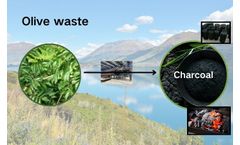
But once an efficient production process is established, a large amount of high-quality olive charcoal can be produced quickly, thereby obtaining high profit returns. 2. ...
The usual plant oil extraction and separation process (e.g. olive or palm oil, tea seed oil, etc.) involves the extraction of oil-bearing plant parts (seeds, fruits, skins) that are squeezed and milled. ...

Proper membrane process design can be a difficult task to accomplish when fouling is present, and must be faced. ...
Solid waste from Jordanian olive oil processing (OOSW) was used to prepare biochar samples by slow pyrolysis at terminal temperatures of 350, 450, 550 and 630 °C; henceforth known as BC-350, BC-450, BC-550 and BC-630, respectively. ...
The nutritional properties of olive oil can be attributed to its oleic acid and phenolic compounds content, acting as natural oxidants to prevent human diseases. In particular, hydroxytyrosol has an anti-inflammatory action similar to omega 3 fatty acids from fish oil. The olive oil production was conducted by two extraction procedures: first, a two-phase ...
Olive processing wastewaters account for highly pollutant agro-industrial effluents. ...
In this study, an integration of three processes including coagulation, acid cracking and Fenton-like was evaluated to treat OOMW. ...

The problem of Oils in the Activated Sludge Process In many activated sludge plants excessive oils discharges can give rise to Nocardia foaming which causes major operational problems. ...
Among the investigated chemical treatment processes, electrocoagulation and the Fenton's reagent were found more effective after pretreatment, especially in terms of total phenols removal. ...

The production of olive oil generates two kind of waste waters: RINSING WATERS: the quantity is subject to change. It can be re-circulated, after the settling to remove the solids, or discharged directly. SLUDGE: vegetation water with additional water, whose quantity is subject to change. In case of traditional oil mills, the hot additional water flows to the inlet of the centrifuge. Part of ...

Problem: The aerated ponds were producing a foul odor & the chloride content of the aquifer was increasing to a level endangering the water quality. Solution: A Hydrocal CAF system is installed to treat the pit water only. This stream, which aligns the olives to be pitted, is highly contaminated with oil, grease, and ruptured olive tissue. The separate treatment of this stream alleviates ...

Activated carbon was produced from olive stones (OSAC) by a physical process in two steps. The adsorption character of this activated carbon was tested on three colour dyes molecules in aqueous solution: Methylene blue(MB), Rhodamine B (RB) and Congo Red (CR). ...

We will concentrate on the description of a wastewater recycling/reuse system that was implemented at an olive processor plant in California. Olive processing produces large amounts of high strength wastewater with significant amounts of suspended solids, oil and grease, dissolved organics and salts (brine and caustic). ...